Senior Editor: Alan Agbele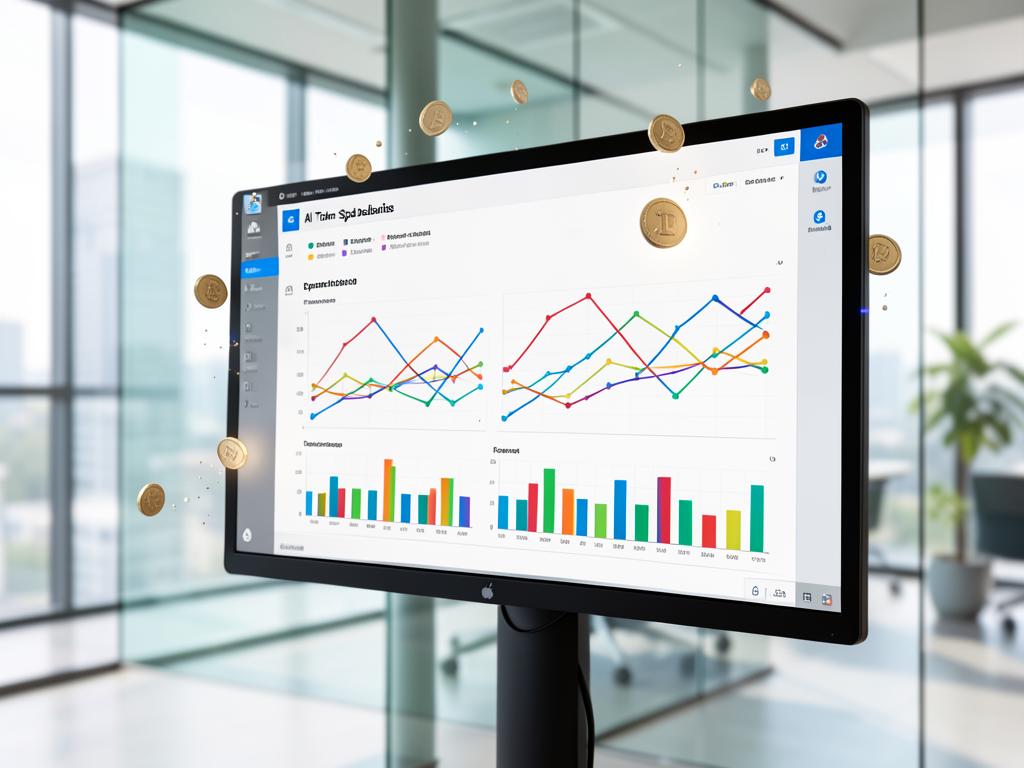
Enterprises that have rushed to adopt AI tools from Anthropic, Cursor and OpenAI are discovering a painful truth: token-based pricing creates unpredictable costs that traditional budgeting processes cannot track. 1Password on Tuesday launched a new capability called AI Spend and Consumption Management, integrated into its SaaS Manager platform, to bring real-time visibility and control to this emerging expense category.
The Token Budget Problem
Traditional SaaS pricing follows a simple per-seat, per-year model that finance teams can forecast and reconcile with ease. AI pricing does not. Every API call to Claude, GPT-5.6 or a Cursor-powered coding assistant consumes tokens, and the cost depends on the model, whether the call is input or output, and the complexity of the task. A single engineering team running agentic workflows can burn through a prepaid token budget in weeks, often without finance noticing until the invoice arrives.
Greg Henry, 1Password's chief financial officer, drew a pointed comparison. "Consumption-based pricing isn't new," Henry said. "We saw it arrive with cloud infrastructure, and it took years to build the tools and disciplines to manage it. AI is the next version of that shift." Henry argued that organizations failing to build visibility now will end up paying far more than necessary for far longer.
How the Dashboard Works
AI Spend and Consumption Management lives inside 1Password SaaS Manager, the company's existing application discovery and license management platform. Customers connect their supported AI vendor API keys, and consumption data flows into a dedicated dashboard. The system covers Anthropic, Cursor and OpenAI, normalizing disparate reporting formats into a single view.
The system captures consumption regardless of whether a human or an AI agent generated the API call, a critical feature as more organizations deploy autonomous agents. There is no separate fee for the capability; it is included with 1Password SaaS Manager subscriptions.
Why This Matters
The introduction of AI token cost management signals a structural shift in enterprise budgeting. Goldman Sachs has projected that token consumption from AI agents alone will grow 24 times by 2030, driven by autonomous systems handling multi-step workflows such as booking travel, writing code and managing customer service. As that wave arrives, companies without proper monitoring tools risk budget overruns that could slow AI adoption or force costly audits.
1Password is betting that AI spend will follow the same trajectory as cloud infrastructure spending in the 2010s, when consumption-based pricing for compute and storage spawned a multi-billion-dollar FinOps ecosystem. For IT and finance teams, the message is clear: the tools that worked for SaaS licenses will not work for tokens. Early investment in visibility and controls could prevent the kind of surprise bills that have already hit early adopters. Henry and his team are positioning 1Password to be the first line of defense, but the real winner in this story may be any organization that heeds the warning before the next invoice arrives.