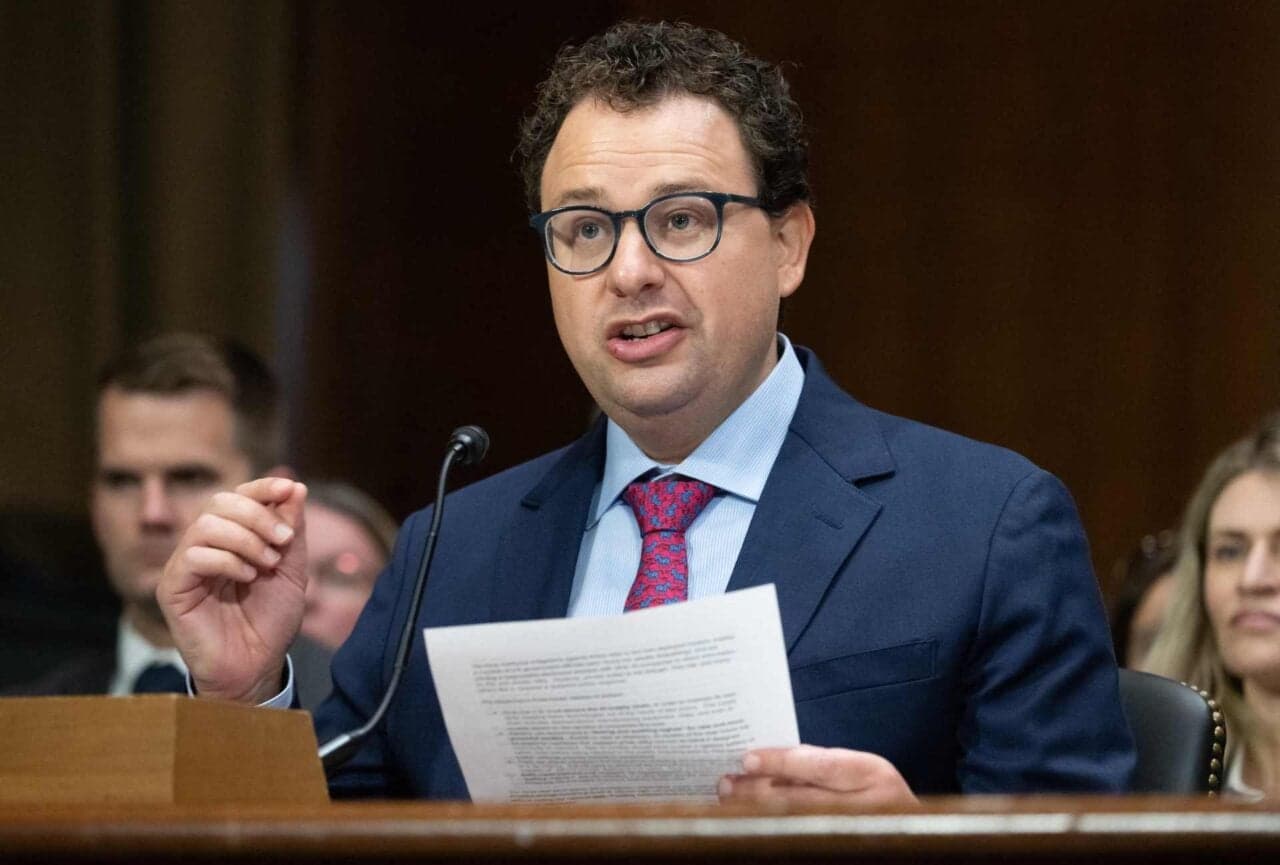
Top executives from Anthropic, the artificial intelligence company behind the Claude chatbot, have traveled to Washington, D.C. in an effort to resolve emerging conflicts with the Trump administration. The move signals a critical juncture for the AI industry as it navigates a shifting regulatory landscape under a new political reality.
Behind the Closed-Door Meetings
Reports indicate that Anthropic leaders are engaging directly with White House officials and key regulators. The discussions center on compliance concerns and policy disagreements that have surfaced since President Trump returned to office. While specific details remain undisclosed, sources suggest the talks involve data privacy standards and content moderation requirements.
Anthropic has long positioned itself as a responsible AI developer focused on safety and ethical deployment. The company's voluntary commitments to transparency and bias testing now face scrutiny from an administration that has signaled a more hands-off approach to tech regulation but also demands alignment with its political priorities.
A Broader Industry Shift
The visit comes amid a wider recalibration across Silicon Valley. Several major AI firms have faced similar outreach from federal agencies seeking assurances about model behavior and national security implications. The Trump administration has made clear it expects technology companies to cooperate fully or risk executive actions.
This tension is not unique to Anthropic. OpenAI and Google DeepMind have also dispatched representatives to Capitol Hill in recent weeks. The pattern suggests a coordinated effort by the industry to prevent regulatory crackdowns while maintaining operational independence.
Why This Matters
The outcome of these negotiations could set precedents for how AI companies interact with federal authority going forward. For consumers, this means potential changes in how chatbots handle sensitive topics or moderate user content. For investors, regulatory clarity or conflict will directly affect market valuations of leading AI firms.
Businesses relying on Anthropic's technology for customer service or data analysis may face service disruptions if compliance disputes escalate into legal action. The broader implication is that AI development is no longer purely technical but deeply political.
What Comes Next
Neither Anthropic nor the White House has issued formal statements about the meetings' progress. However, insiders expect preliminary agreements within weeks covering data handling protocols and transparency reporting requirements.
The situation underscores a fundamental challenge: balancing innovation with governance in an era where AI capabilities outpace existing legal frameworks. How this balance is struck will shape not just one company's fortunes but the entire trajectory of American artificial intelligence leadership.