Editor: Porcia Akua Holmes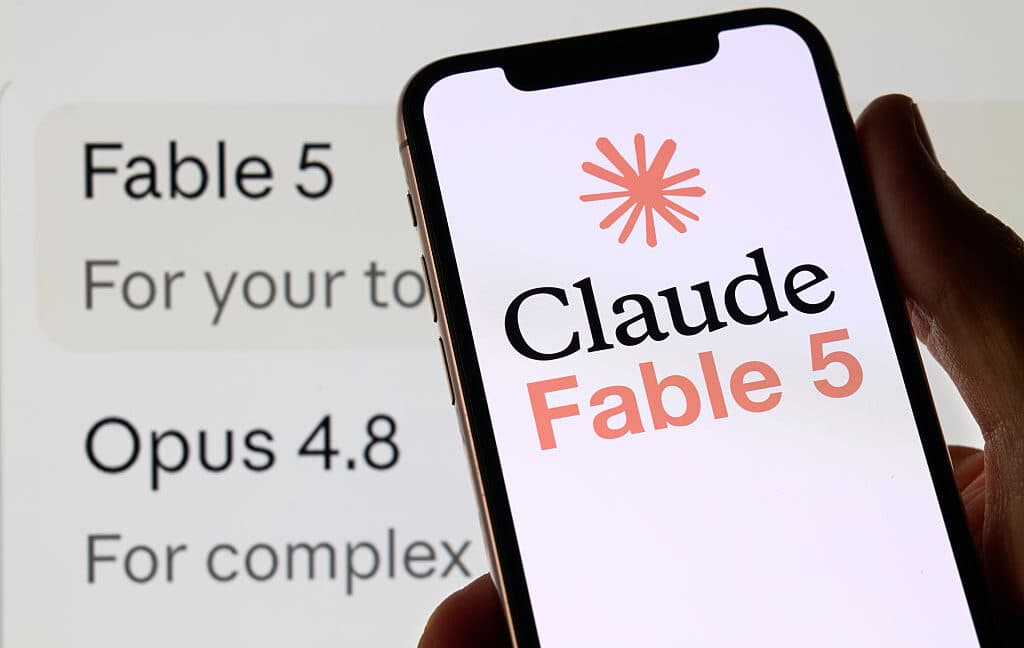
The Trump administration has lifted export restrictions on Anthropic's most advanced AI models, clearing the way for global deployment of the Claude Fable and Mythos systems. After weeks of scrutiny and voluntary suspension, the models are now available to users worldwide, marking a significant reversal in US policy toward high-risk artificial intelligence.
From National Security Risk to Global Deployment
Commerce Secretary Howard Lutnick informed Anthropic in a letter that the company would no longer require a license to export or transfer the Claude Mythos and Claude Fable models internationally. The letter, reviewed by Reuters and The New York Times, stated that Anthropic had worked closely with the US government to address the risks that originally led to the restrictions.
Anthropic confirmed in a blog post that Fable 5 is now available globally, while US organizations regained access to Mythos 5 on June 26. Mythos access will expand further through the Glasswing program, which enables cybersecurity researchers at trusted companies to use the model for defensive purposes. The company described the coordination with the government as a model for responsible AI deployment.
Safety Testing and Government Coordination
The episode began when Trump administration officials flagged the models as national security risks in early June, citing their advanced capabilities in areas such as code generation and strategic analysis. Anthropic responded by shutting down access to Fable and Mythos, triggering a three-week period of safety testing and policy review.
The outcome represents a pragmatic compromise between innovation and security. Unlike outright bans, the administration opted for conditional release after Anthropic demonstrated mitigations. This approach establishes a precedent for how future advanced AI models might be vetted before reaching global markets. The coordination between Anthropic AI and US regulators could influence how other frontier AI companies engage with export controls.
Why This Matters
The lifting of export curbs has immediate and long-term consequences for the AI industry and national security policy. For Anthropic, global availability of Fable and Mythos strengthens its competitive position against rivals such as OpenAI and Google DeepMind. For governments, the episode provides a template for balancing AI progress with security oversight.
The broader implications extend to the global AI race. By allowing these models to spread internationally, the US maintains influence over the safety standards applied to cutting-edge AI systems. However, the precedent also raises questions about how quickly future models will be cleared and under what conditions. Companies developing similarly powerful AI may now face a standardized review process before export.
Key stakeholders affected by this decision include:
The Trump administration's willingness to reverse course after safety testing may encourage other nations to adopt similar conditional approval processes. For now, Anthropic's Fable and Mythos models are back on the global stage, carrying the lessons of a regulatory confrontation that reshaped the playbook for AI governance.