Senior Editor: Alan Agbele
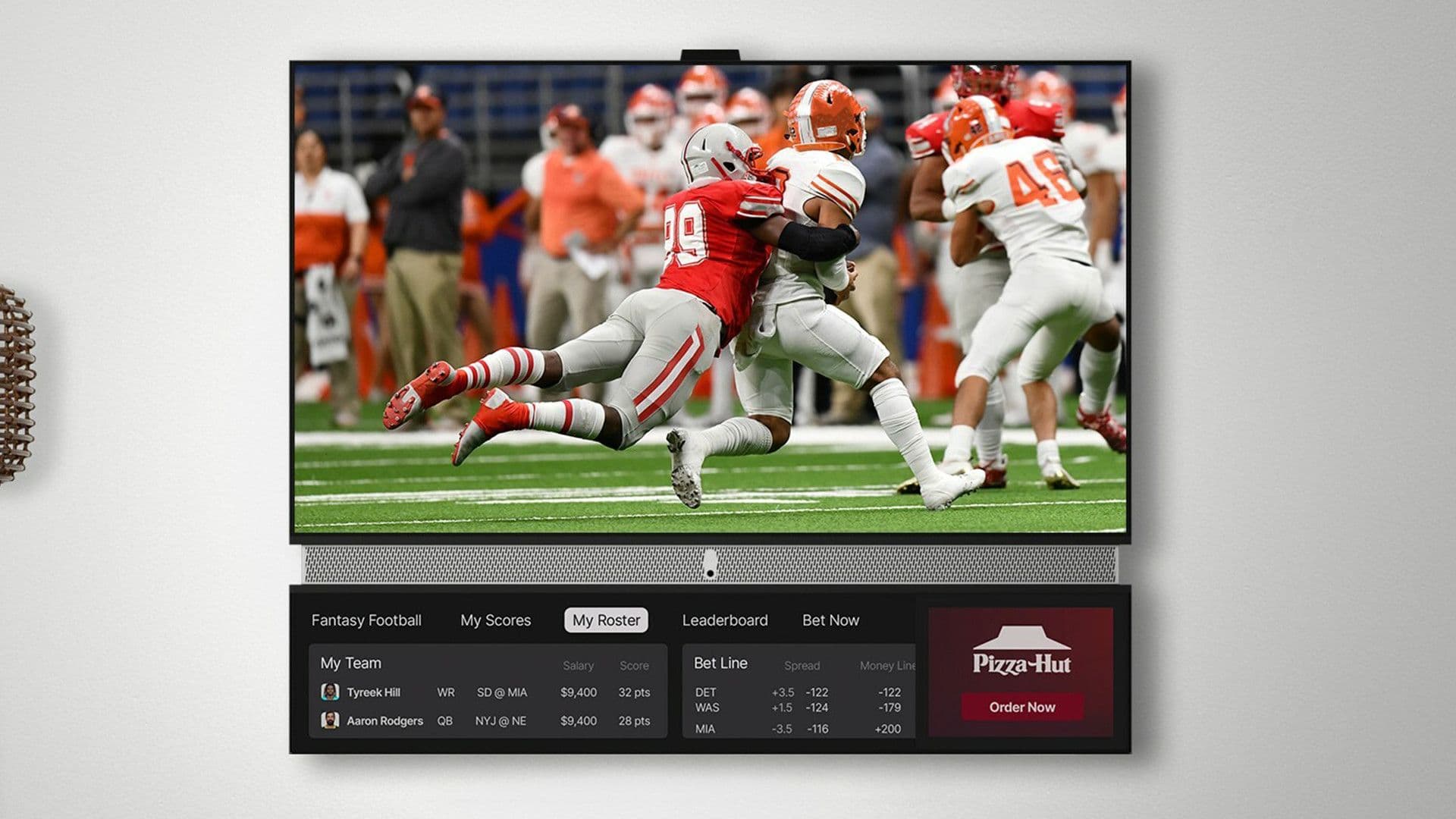
A quiet rebellion against smart TV bloat is taking shape on GitHub, where developers are using AI vibe coding to turn ad-heavy televisions back into simple displays. Projects like dumbtv and cleanyourtv promise to remove sponsored content, telemetry and unwanted apps without touching the device's root directory.
The movement reflects mounting frustration with streaming platforms that have raised prices while making advertisements harder to avoid. Rather than accept the intrusions, a small but vocal group of technically inclined users is rebuilding the television experience from the software up.
How AI Vibe Coding Accelerates Debloating
The term vibe coding describes a workflow where developers describe what they want in plain language and let an AI agent generate the necessary code. This approach has collapsed the time required to build custom TV modifications from weeks to hours.
Ryan Doyle demonstrated the simplicity of this method on X. After finding a listing for their TV, Doyle asked Claude Code, "can you hack this?" The AI agent then walked them through removing ads, bloatware and spyware while speeding up a laggy interface.
That interaction captures the essence of the shift. Users no longer need deep expertise in Android TV internals or reverse engineering. They need a clear problem statement and access to an AI assistant capable of navigating the device's software stack.
From GitHub Projects to One-Line Restores
Two projects illustrate the range of available solutions. dumbtv states its mission plainly on GitHub: "Your TV should do what you paid for: your apps, your HDMI inputs, and nothing else." It removes ads, telemetry, experiments and Alexa integration from a wide range of smart TVs.
cleanyourtv takes a different tack. It strips bloatware from any Android TV or Google TV over Wi-Fi and replaces the ad-filled home screen with a clean launcher that resembles an Apple TV interface. The project emphasizes that nothing is uninstalled permanently and offers a one-line restore command.
Why This Matters
Consumers who adopt these tools gain immediate control over their viewing environment. They eliminate unwanted advertising, reduce data collection and improve performance on hardware that may otherwise feel sluggish. The financial benefit is indirect but real: users avoid upgrading to newer TVs simply to escape software bloat.
Manufacturers face a more complicated calculation. Advertising and data monetization have become meaningful revenue streams for companies like LG, Samsung, Hisense and TCL. If debloating tools become mainstream, those streams could erode. The Texas attorney general has already sued several of these manufacturers over tracking practices, suggesting that regulatory pressure and consumer action may reinforce each other.
Streaming providers also sit in the crosshairs. Their prices have risen substantially over the past five years, and their ad loads have grown more aggressive. Tools that bypass these ads weaken the value proposition of ad-supported tiers without offering a path to subscription revenue.
What You Need to Know About the Risks
These projects claim to be safe and reversible, but users should approach them with caution. Modifying TV software can void warranties or trigger unexpected behavior. The developers behind dumbtv and cleanyourtv say they do not touch the root directory, which reduces but does not eliminate risk.
Cretezy's setup goes further by replacing core operating system components. An AI agent can handle the installation and tailor it to a specific TV model, but that convenience comes with a steeper learning curve and greater potential for disruption.
The Broader Pushback Against Surveillance TVs
The debloating trend connects to a wider consumer movement against the surveillance economy. Smart TVs have become sophisticated data collection devices, tracking viewing habits and monetizing that information through advertising networks.
AI vibe coding gives individuals a practical way to opt out. It democratizes modification skills that were previously limited to a small community of developers. The result is a proliferation of targeted solutions that address specific pain points without requiring users to abandon their existing hardware.
Whether this remains a niche hobby or grows into a mainstream practice depends on how aggressively manufacturers respond. If they tighten restrictions or make debloating harder, the cat-and-mouse dynamic could intensify. If they ignore it, the tools may quietly spread among less technical users seeking relief from an increasingly noisy television experience.