Senior Editor: Alan Agbele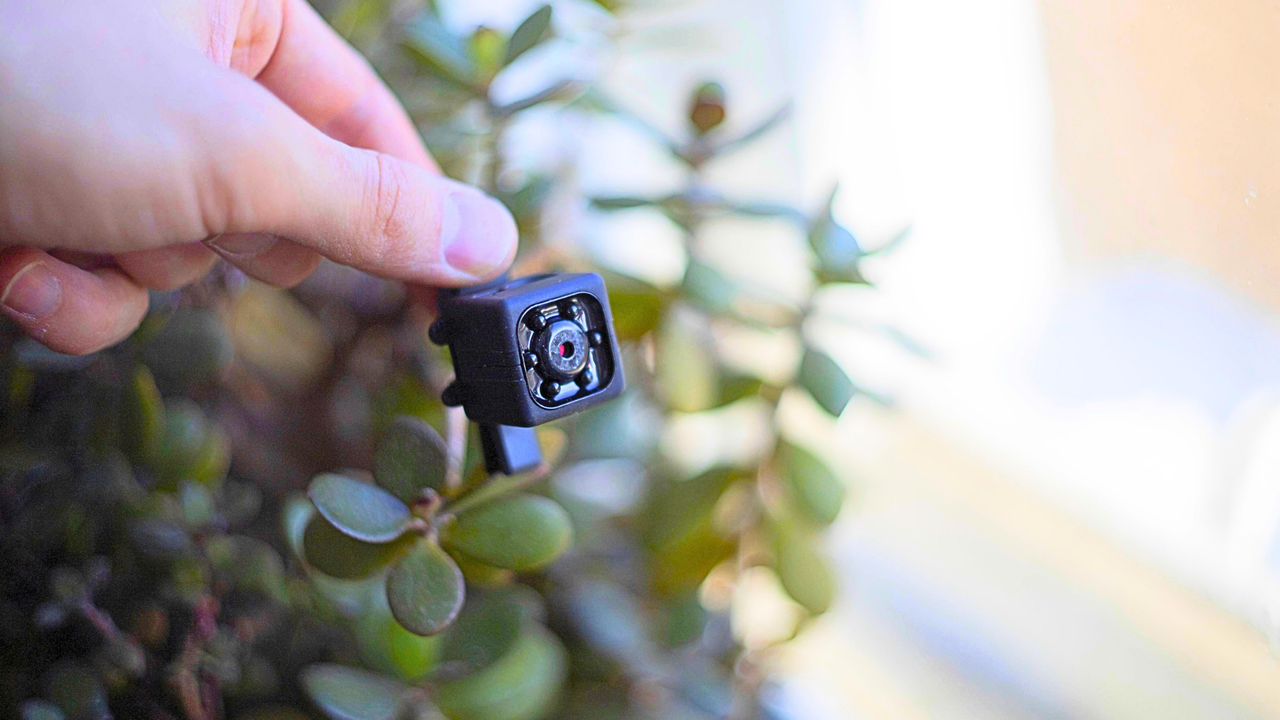
A team of researchers from KAIST has created a clip-on device named SweepLED that pairs an LED light grid with an AI application to detect hidden cameras. The system, which snaps magnetically onto a smartphone, achieved a 93.9% detection accuracy in tests across 30 objects, some containing concealed cameras. The development addresses a growing privacy threat in spaces like hotel rooms and changing rooms.
How SweepLED Works
The SweepLED system consists of a small LED grid that attaches to the back of a smartphone. The lights change direction continuously, causing reflections from nearby surfaces to shift or disappear. Camera lenses, apertures and sensors create a distinctive reflection pattern that the AI can identify reliably. The app captures an image and processes it to flag potential hidden cameras.
Real-World Testing
The research team, led by Professor Han Jun of KAIST’s School of Computing, tested SweepLED on 30 everyday items. Some objects had hidden cameras embedded, while others did not. The system correctly identified 93.9% of the hidden cameras, a significant improvement over manual methods that rely on flashlight scanning or infrared detection, both of which are prone to errors.
Why This Matters
Hidden cameras represent a serious privacy violation, particularly in South Korea where protests erupted in 2018 over the widespread use of spycams in restrooms and changing rooms. SweepLED gives individuals a practical tool to check their surroundings quickly and reliably. The device, however, has limits. It cannot detect cameras that are part of the more than 40,000 insecure security cameras streaming footage worldwide, nor can it identify smart glasses recording without consent. These broader issues require regulatory and technical solutions beyond a clip-on gadget. For travelers and privacy-conscious users, SweepLED fills a gap by making hidden camera detection faster, cheaper and more accurate than previous DIY approaches.