Senior Editor: Alan Agbele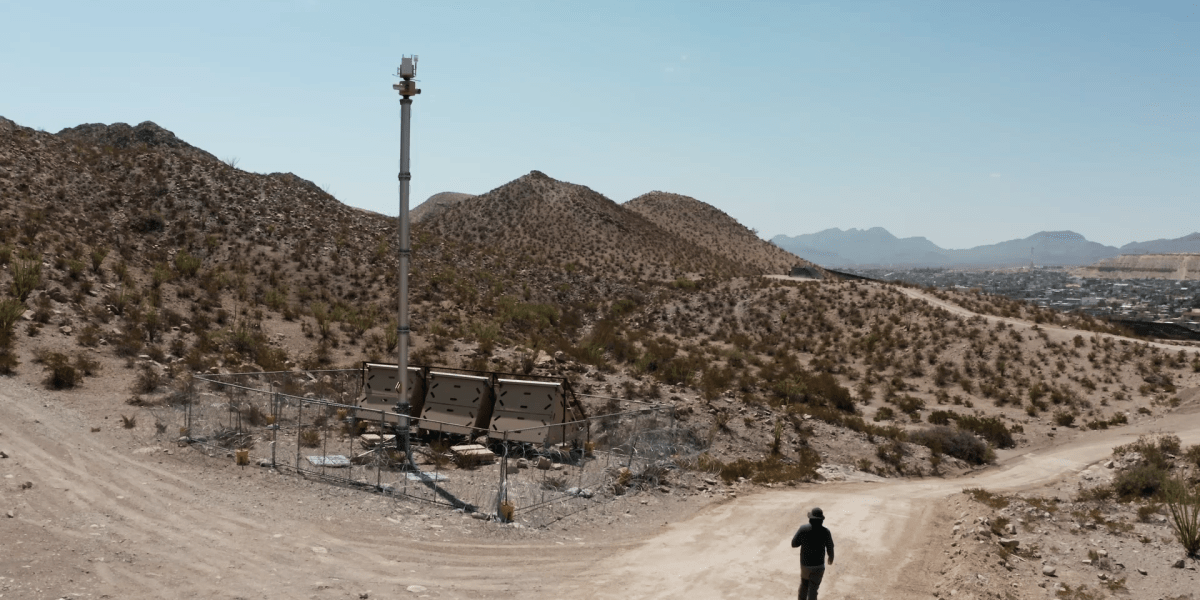
On April 8, 2024, José Morales Bernal crossed the border into the United States and died within 360 feet of a surveillance tower built to detect people like him. The system designed to prevent such deaths had failed. This investigation by MIT Technology Review and Times of San Diego reveals a pattern of technological breakdowns that have left migrants exposed even as the government spent billions on a virtual wall.
The Technology That Was Supposed to Prevent This
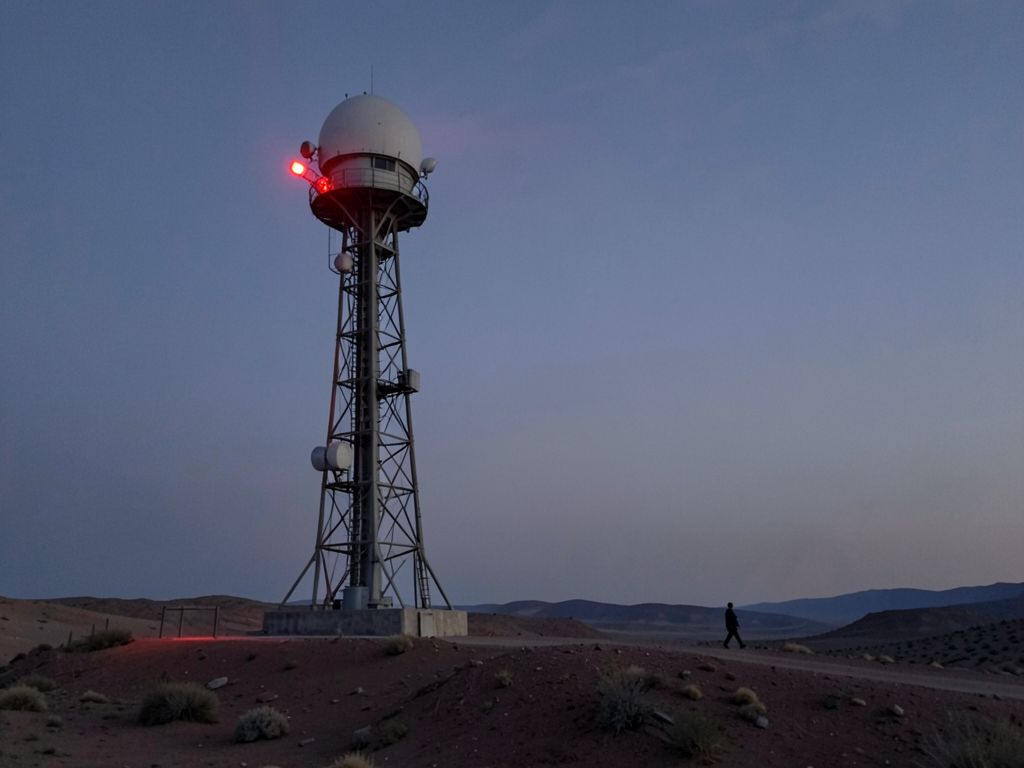
Anduril's towers, equipped with cameras and artificial intelligence, were installed in southern New Mexico to automatically detect and track border crossers before they reached the town of Sunland Park. They transmit live video to control rooms and send alerts to agents' government-issued smartphones. CBP promoted the system as a way to provide persistent surveillance and situational awareness across the 1,951-mile border while freeing agents from constant monitor duty.
A Fatal Breakdown on April 8
Morales Bernal entered New Mexico that morning and moved within range of three Anduril towers. They failed to trigger a timely response. Landfill workers spotted him first at 1 p.m. and again later; at 4 p.m. they saw he had not moved and called Border Protection. Agents arrived 45 minutes later to find him dead. When an agent reported the body, he described it as "probably one of the migrants" crossing through, unaware that surveillance systems had tracked him hours earlier. An autopsy ruled the cause of death as environmental exposure. They had been just 360 feet from the nearest tower.
The Broader Pattern of Surveillance Failures
MIT Technology Review cross-referenced nearly 4,000 locations where human remains were found with data on about 600 surveillance towers identified by the Electronic Frontier Foundation. The analysis, combined with field reporting and records from nonprofit groups, produced the first comprehensive map of deaths near CBP towers. The findings show that Morales Bernal's case is not an isolated event. Deaths have occurred regularly within view of the government's cameras, even after towers were installed. This pattern undermines claims that the virtual wall provides effective coverage or saves lives.
Why This Matters
The failure to prevent deaths like Morales Bernal's has immediate consequences for migrants, border agents and taxpayers. CBP has spent billions on systems that remain unable to reliably trigger rescues in critical moments. The absence of independent oversight and accountability means that technology deployments continue without clear evidence of humanitarian effectiveness. Policy makers, however, face growing pressure to reassess whether additional surveillance spending will actually save lives or simply export risk to more remote areas. The gap between promised capability and real-world performance demands urgent scrutiny.