Senior Editor: Alan Agbele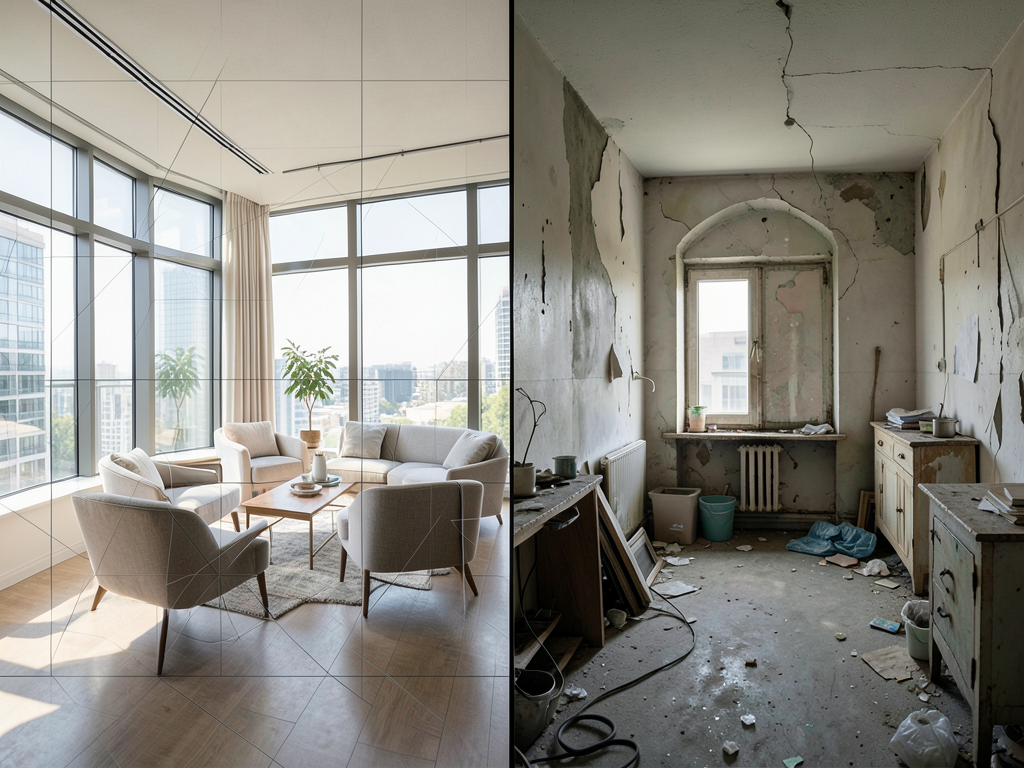
A growing number of renters in major cities are discovering that the sleek, sunlit apartments they saw online are nothing more than digital fabrications. AI-powered virtual staging tools are enabling landlords and brokers to present properties that look vastly different from reality, sparking complaints and calls for regulation.
The Virtual Staging Boom
Virtual staging is not new, but artificial intelligence has made it far more realistic and accessible. Instead of adding digital furniture to an empty room, modern AI tools can generate entire architectural details such as fireplaces, renovated kitchens and larger windows that do not exist. Some services even remove clutter or change the layout of a unit.
Real estate platforms often allow these images without clear disclaimers. Renters see a furnished, airy studio and schedule a tour only to find a cramped space with outdated fixtures. One New Yorker told The Verge that an apartment described as her dream home turned out to be completely different from the photos she had seen.
Real-World Consequences
These misleading listings carry significant costs for renters. They waste time traveling to view fake apartments, miss out on genuine opportunities and sometimes pay application fees before discovering the truth. In competitive housing markets, this deception can push renters into making rushed decisions on subpar units.
Platform owners face a growing reputational risk. If renters cannot trust the images on a listing site, they may abandon the service entirely. Some companies have started requiring explicit labels on AI-enhanced photos, but enforcement remains inconsistent.
Why This Matters
This practice strikes at the foundation of trust in online rental markets. Without reliable visuals, the entire process of searching for a home becomes a gamble. The harm extends beyond inconvenience.
Regulators are beginning to take notice. Consumer protection laws in some states already prohibit deceptive advertising, and applying those rules to AI-enhanced real estate listings is a logical next step. However, enforcement requires proof of intent, which is difficult to establish when the images are generated algorithmically.
Calls for Transparency
Advocates propose several solutions. Requiring a standard disclaimer on all AI-generated images would give renters an immediate warning. Some suggest a certification system where platforms verify that photos match the actual property through independent inspections.
Technology companies could also step in. Metadata embedded in AI-generated images could alert platforms automatically, allowing them to flag or tag listings without relying on complaints. Such systems exist for deepfakes and could be adapted for real estate.
The rental market may be the first major consumer arena where AI-generated visual deception clashes with existing law. How regulators, platforms and landlords respond will set a precedent for other industries where digital fakery is on the rise.