Editor: Porcia Akua Holmes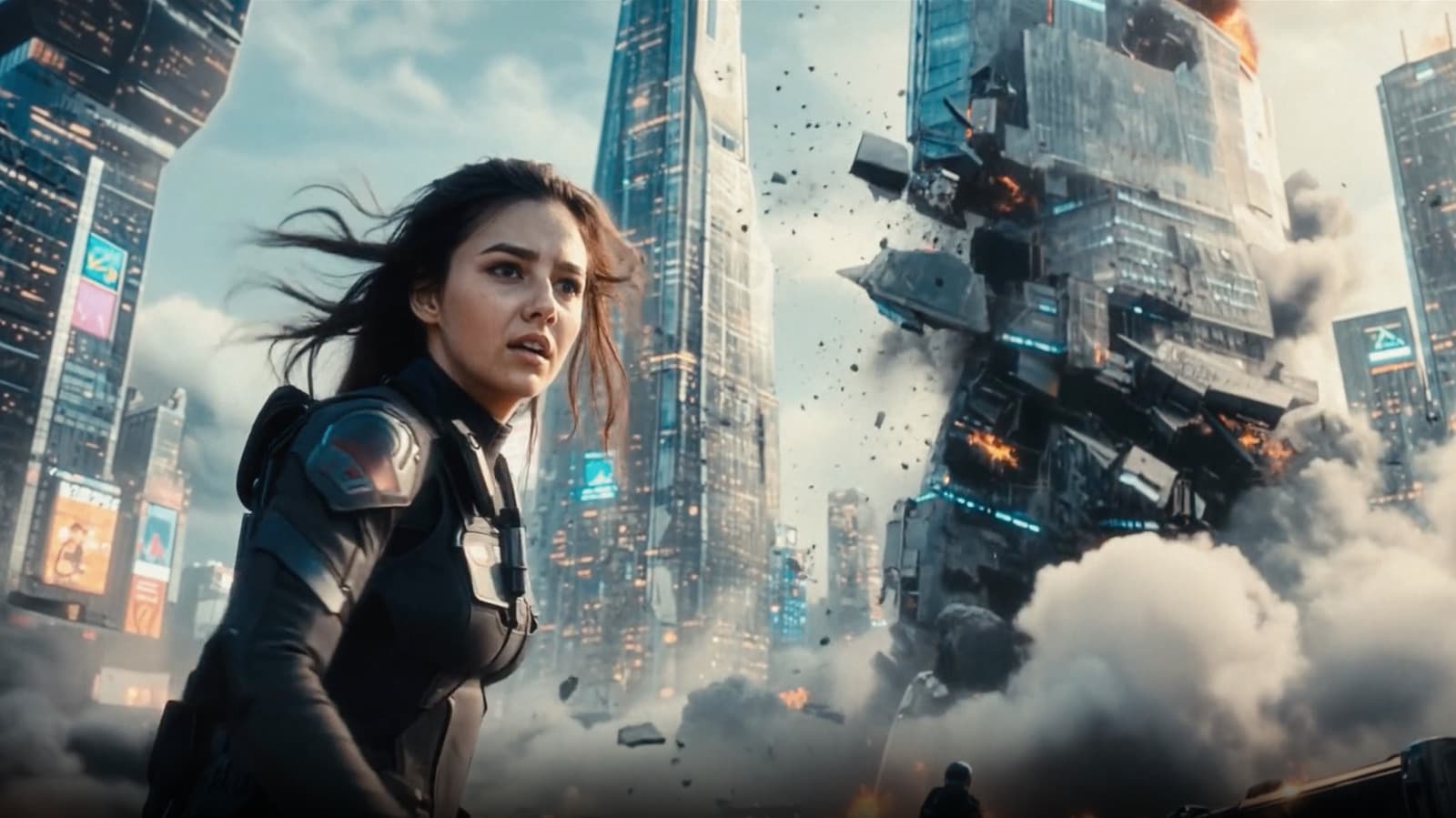
An artificial intelligence-generated character named Tilly Norwood is reportedly set to take on a lead role in a feature-length film, marking a significant step in the integration of AI into mainstream entertainment. The development has sparked debate over the future of human actors and the creative process in Hollywood.
The Rise of AI Performers
AI-generated characters have appeared in short films and digital content for years, but a feature-length starring role pushes the technology into new territory. Tilly Norwood was developed using machine learning models trained on vast datasets of human movement and speech patterns. The result is a digital actor capable of delivering performances without a physical body or traditional acting training.
Studios exploring this approach cite cost savings and creative flexibility as key drivers. Directors can tweak expressions or dialogue after filming without costly reshoots. Critics, however, warn that widespread adoption could displace thousands of jobs in the entertainment industry.
Industry Reactions
Major studios have remained quiet about the Tilly Norwood project, but independent filmmakers have expressed both excitement and caution. Some see the technology as a tool for telling stories that would otherwise be impossible due to budget constraints. Others view it as a threat to the craft of acting itself.
The Screen Actors Guild has not issued a formal statement regarding this specific film, but the union has previously pushed for strict regulations on AI use in productions. Negotiations over residual payments for digital replicas remain a contentious issue in ongoing labor talks.
Why This Matters
The casting of Tilly Norwood in a feature film moves the conversation about AI in entertainment from theoretical to concrete. If successful, it could accelerate studio investment in synthetic performers, fundamentally altering how movies are cast and produced. For working actors, the threat is immediate: roles that once required human presence may soon be filled by algorithms.
The broader implications extend beyond Hollywood. As generative AI improves, similar disruptions are likely in advertising, video games and live theater. The question is no longer whether AI can perform but whether audiences will accept it as a legitimate form of storytelling.