Editor: Porcia Akua Holmes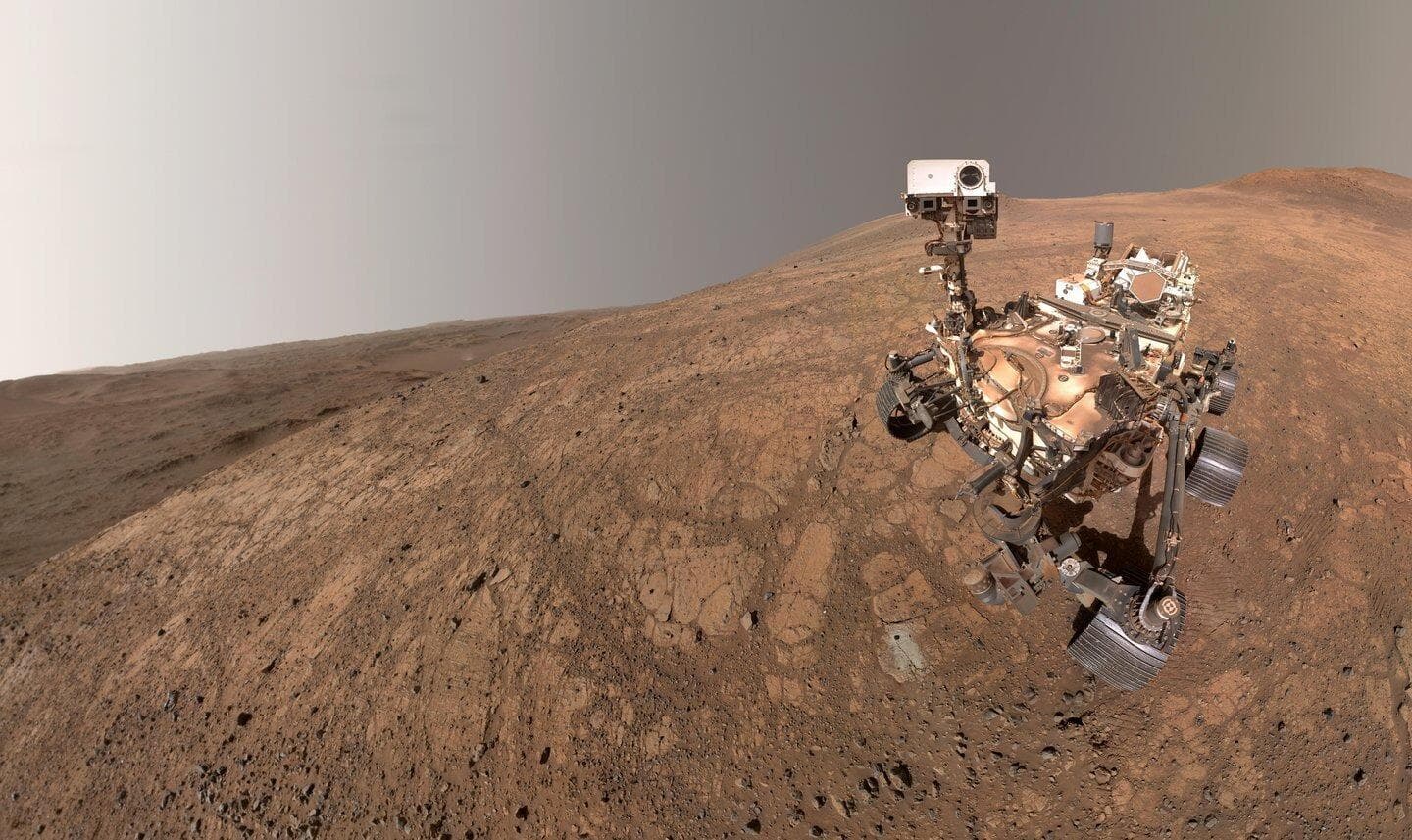
New machine learning models are accelerating the hunt for microbial evidence on Mars, giving researchers fresh tools to sift through decades of rover data. The question of life on Mars it remains a tantalizing topic for scientific study, and recent algorithmic advances are bringing that question into sharper focus.
Machine Learning in Martian Analysis
Researchers are training convolutional neural networks to recognize patterns in microscope images of Martian regolith. These models can flag grain shapes and chemical signatures associated with microbial activity. The approach reduces the time needed to manually review thousands of samples. A study published in the journal Astrobiology demonstrated that the algorithm achieved a 92% accuracy rate in identifying simulated biosignatures.
New Data From Jezero Crater
Perseverance has drilled several cores from the Jezero delta, a former lakebed. Preliminary analysis by onboard instruments suggests the presence of carbon-based molecules. The AI tools are now being used to prioritize which samples to return to Earth on a future mission. Scientists caution, however, that definitive proof of past life requires laboratory analysis beyond what rovers can provide.
Why This Matters
The integration of AI into planetary exploration shifts the search for extraterrestrial life from a manual, time-intensive process to a data-driven one. If the models correctly identify biosignatures, future missions to Europa or Enceladus could employ similar techniques. The stakes extend beyond Mars: confirming even microbial life elsewhere would fundamentally alter biology and our place in the universe. For researchers, it remains a tantalizing topic that drives investment in both robotics and artificial intelligence.
The scientific study of Martian life is also a testbed for AI systems that must operate under severe bandwidth and power constraints. Advances made here will directly benefit autonomous exploration of other worlds. The question of life on Mars it remains a tantalizing topic for scientific study, and each new algorithm brings us slightly closer to an answer.