Senior Editor: Alan Agbele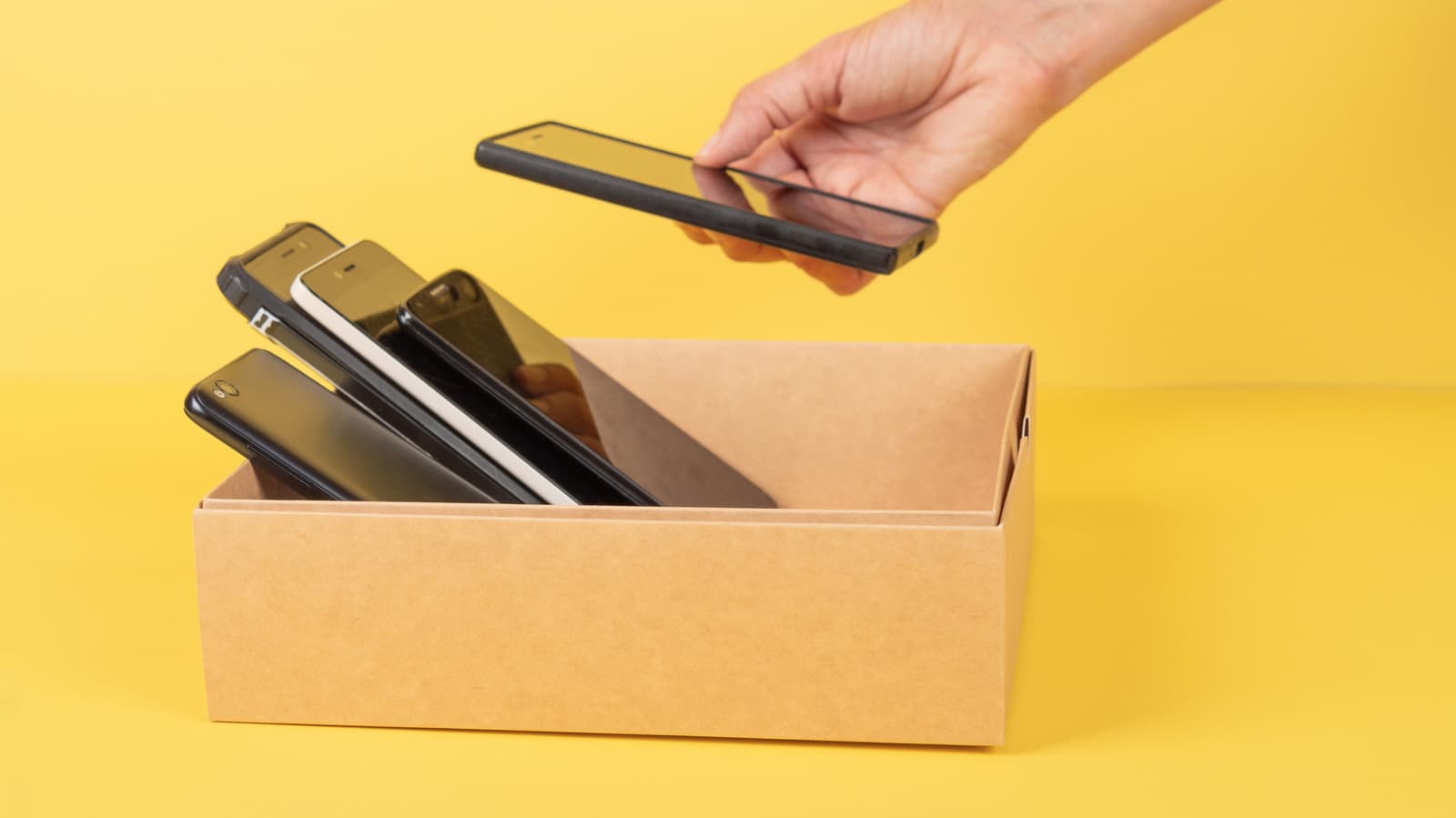
A global shortage of RAM chips, fueled by surging demand for AI infrastructure, is now sending shockwaves through the used smartphone market. New data reveals that prices for second-hand phones are climbing as manufacturers and refurbishers struggle to secure enough memory components. The crisis, once limited to new hardware production lines, has spread into the secondary market in ways that directly affect everyday buyers.
Connecting AI Demand to Phone Prices
Data centers that power large language models and AI services consume massive quantities of high-bandwidth memory. Manufacturers like Samsung and SK Hynix have diverted production capacity to meet this demand, leaving less RAM available for mobile devices. The result is a knock-on effect: fewer chips reach refurbishers who depend on salvaged components to restore used phones.
This shortage creates a bottleneck in the supply chain for second-hand devices. Refurbishers can no longer replace degraded RAM at the same cost, so they pass the expense to buyers. The Global RAM Crisis, which began as a data center problem, now has a clear footprint in the consumer market.
Why This Matters
For consumers, the window of opportunity for cheap used phones is narrowing. The price gap between a new midrange handset and a high-end second-hand model is closing rapidly. This shifts the value equation, making new budget phones more attractive but also pushing some buyers into longer upgrade cycles.
For the industry, this crisis reveals how dependent smartphone hardware has become on the same memory supply that powers AI. If the trend continues, phone makers may need to redesign devices to use less volatile memory types or simplify configurations. The secondary market, in particular, faces a structural challenge: without access to affordable RAM, refurbishing older models becomes less profitable.
What Shoppers Should Expect
Used phone prices are unlikely to drop in the near term. Anyone considering a purchase should compare prices across multiple outlets and lock in deals quickly. Devices with lower RAM configurations (4GB or less) may see even steeper markups as availability shrinks. Buyers may also find that flagship models from two or three years ago offer better value than recent midrange options, because their build quality and cameras still compete well.
Monitoring trade-in values and waiting for periodic sales events can help. But the underlying supply pressure from AI demand shows no sign of easing, which means the Global RAM Crisis will keep influencing the used phone market for months to come.