Senior Editor: Alan Agbele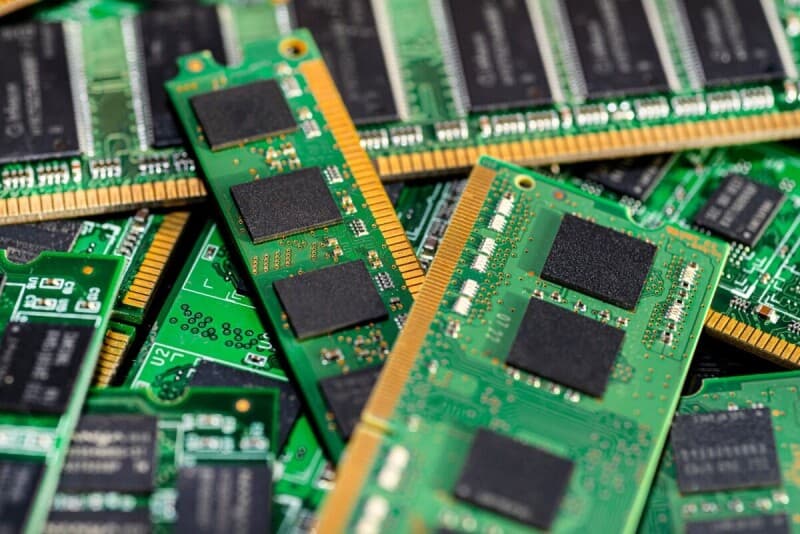
An AI-fueled memory chip shortage has ended a two-year growth run in the PC market, with shipments dropping 5 percent year over year in the second quarter of 2026. IDC reports that vendors shipped 68.2 million units during the April-to-June period, the first decline after nine consecutive quarters of expansion.
Shipment Decline Breaks Growth Streak
Sales figures signal a turning point for the PC market, which had enjoyed steady recovery after a post-pandemic slump. The current downturn, however, is not demand-driven but supply-constrained. "The real story here is the disconnect between units and dollars: shipments are falling, but revenue is climbing because vendors are pushing through price increases faster than demand is dropping," said Jitesh Ubrani, IDC research director for consumer devices. Sustained cost pressures from memory components have already priced budget PCs out of many consumers' reach, and IDC warns that smaller suppliers may be forced out of business if conditions persist.
Key Drivers of the Memory Crunch
Several forces are colliding to create a perfect storm for PC makers. The AI boom has diverted semiconductor capacity, with memory factories prioritizing high-margin DRAM for AI accelerators over commodity chips for PCs. Geopolitical uncertainties have further strained supply chains, while new fabrication plants are not expected to meaningfully scale output until 2027 and 2028.
According to IDC, inventory pull-forward by corporate buyers earlier this year helped mask some of the pain, but that effect is fading. Ubrani noted that vendors are bracing for further price hikes into 2027, and channels are already flagging concern about elevated inventory at these higher price points.
Why This Matters
The memory crisis is reshaping the PC competitive landscape. Giants such as Lenovo, Apple, Dell and HP can negotiate long-term supply deals and weather cost increases far more easily than smaller rivals. IDC warns that this advantage could drive vendor consolidation, with weaker players pushed into mergers or outright exits. For consumers, the ongoing shortage means higher PC prices and a slower upgrade cycle, despite growing interest in on-device AI processing among enterprise customers. The real impact, however, may be structural: a market that was already consolidating could shrink further, leaving fewer options for buyers and less innovation in the midrange segment. IDC projects that the shortage will not ease until early 2028, meaning the PC industry faces two more years of supply constraints, pricing pressure and restructuring.