Editor: Porcia Akua Holmes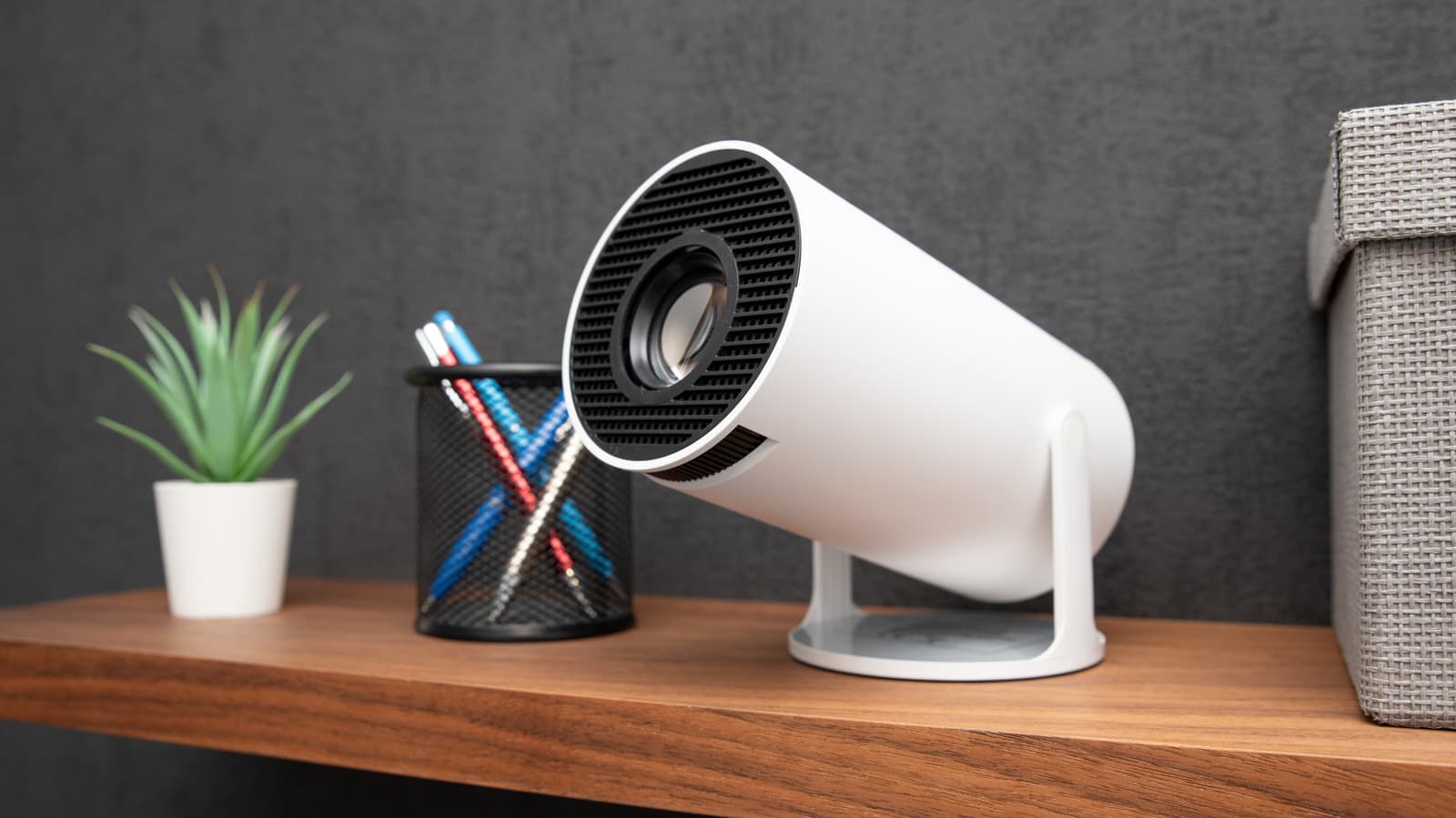
Home projectors deliver cinematic scale without the bulk of a television, yet many owners unknowingly shorten their device's lifespan through basic neglect. The difference between a projector that dies after a few seasons and one that delivers a decade of movie nights often comes down to three overlooked factors: dust accumulation, heat management and lamp usage habits.
Why Dust and Heat Are Silent Killers
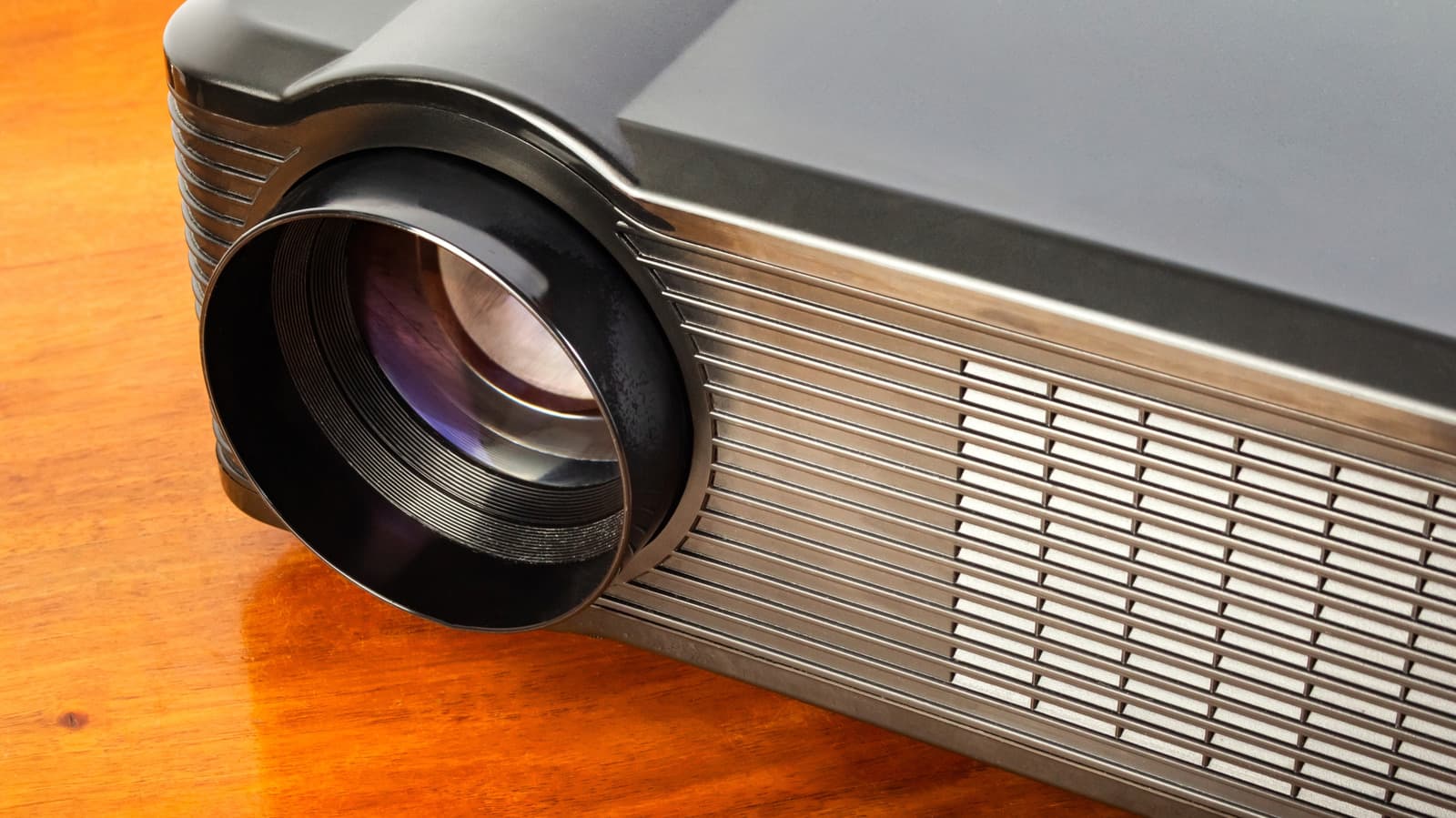
Most projector failures trace back to overheating rather than dead lamps. Projectors pack dense optics and electronics into compact enclosures, relying on active cooling to stay within safe operating ranges. When dust settles on air intake vents and internal heat sinks, that cooling efficiency drops sharply. Over time, the system struggles to dissipate heat, which degrades the color wheel, optical lens coatings and circuit boards.
Manufacturers such as Epson and BenQ design projectors for specific airflow patterns, but users often block vents by placing the unit on shelves or inside cabinets. Even a small obstruction raises internal temperatures by several degrees. That incremental heat stress shortens the life of capacitors and fan bearings, leading to unexpected shutdowns or permanent hardware failure.
Lamp Management: The Costly Oversight
The lamp, or light source, is the most expensive consumable in any projector. Most modern lamps are rated for 3,000 to 5,000 hours in standard mode, though eco mode can stretch that to 10,000 hours on some models. However, frequent on-off cycling is particularly harsh on the lamp, as the thermal shock of powering down while still hot accelerates filament wear. Similarly, running the projector in high brightness mode for every viewing session drains lamp life faster than necessary.
Brightness degradation is gradual, often unnoticed until the image becomes unwatchable. Replacing a lamp can cost between 30% and 60% of the projector's original price, making prevention far more economical. A simple practice is to use the projector's lamp timer, which tracks usage and sends reminders. Combined with regular filter cleaning, this single habit can double the time between replacements.
Placement and Airflow: Small Changes, Big Payoff
Where you put your projector matters as much as how you use it. The unit needs clear space around its intake and exhaust vents, typically at least six inches on all sides. Placing it on an open shelf or ceiling mount ensures adequate airflow. Avoid carpeted surfaces that shed fibers into the intake, and check the filter every few weeks if you have pets or live in a dusty climate.
Beyond cleaning, the type of projection technology also influences longevity. DLP projectors typically have sealed optical engines that resist dust, while LCD projectors expose panels to airflow. Knowing which system you own helps tailor maintenance. Both DLP and LCD models benefit from the same core discipline: keep them cool and clean.
Why This Matters
The financial impact of neglect is immediate and growing. A typical projector lamp replacement runs $200 to $400, and labor costs push repair bills higher. Given that mid-range projectors now cost $500 to $1,500, a premature lamp failure effectively erases the value of an already budget-conscious purchase. For home theater enthusiasts who rely on projectors for daily viewing, the disruption is more than monetary, it means losing a central piece of entertainment hardware with little warning.
Beyond individual budgets, the broader trend toward ultra-short-throw and laser projectors raises the stakes. Laser light sources are rated for 20,000 hours, but they still require clean airflow to avoid thermal throttling. As manufacturers push brighter and more compact designs, thermal management becomes even tighter. Owners who adopt simple routines now will not only save money but also extend the useful life of devices that are increasingly expensive to replace. As the saying goes, “You Can Preserve Your Home Projector For Years To Come” - but only if you treat its environment with as much care as its picture quality.