Senior Editor: Alan Agbele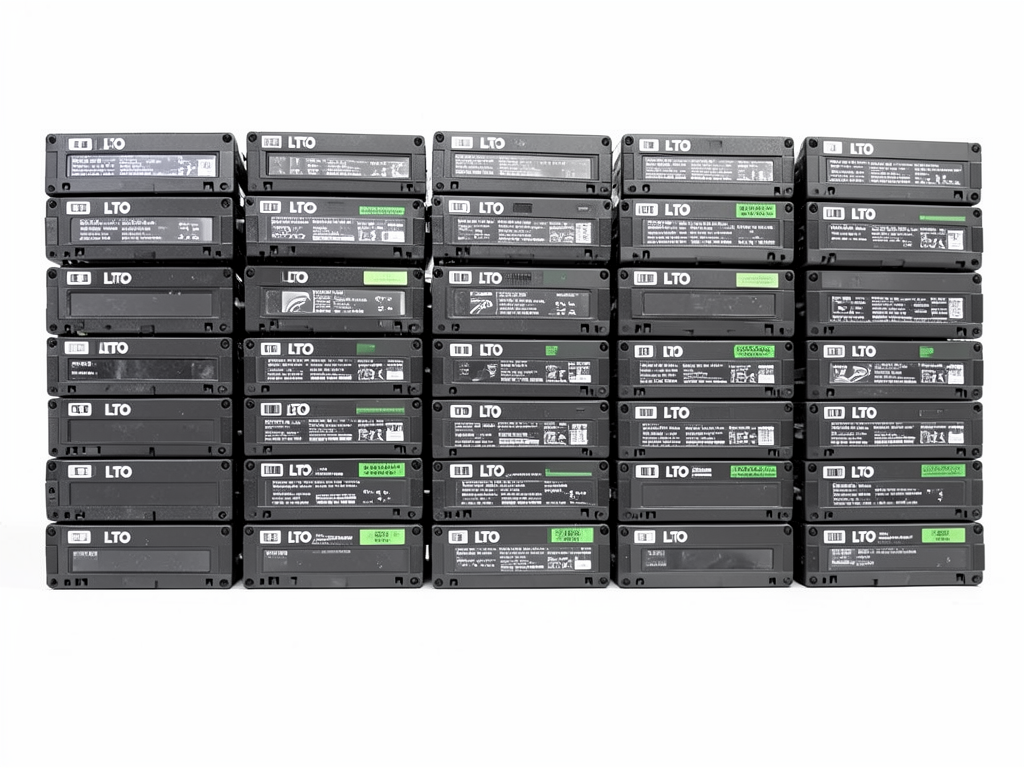
AI data center demands are driving an unexpected revival in tape storage, with shipments of LTO cartridges surging 57% year-over-year in the first quarter of 2026. The LTO Program Technology Provider Companies (TPCs), consisting of HPE, IBM and Quantum Corp., reported that capacity shipped in Q1 2026 rose sharply, fueled by AI workloads, traditional archiving needs and the early adoption of LTO-10 media. The growth follows a record 2024 when 176.5 exabytes of compressed tape capacity were shipped, and a modest 2025 dip of 160.3 exabytes that program officials described as a temporary slowdown.
AI Demand Fuels Tape Revival
The TPCs pointed to accelerating data creation from AI workloads as a primary driver for increased tape shipments. Traditional archive uses, such as media preservation and enterprise records, also remain strong. Additionally, organizations are turning to tape for cyber-resilient backups that remain offline and safe from ransomware attacks. Quantum CEO Hugues Meyrath noted that cost, energy and cyber resilience pressures are pushing companies to view tape as a strategic part of modern data infrastructure rather than a legacy technology.
Key factors behind the record-breaking Tape shipments include:
LTO Roadmap Secures Long-Term Viability
The LTO Program Technology Provider Companies continue to invest in future generations, with a roadmap extending to LTO-14. The forthcoming LTO-10 cartridges, now ramping in early 2026, support 40TB native and up to 100TB compressed per cartridge. Future generations promise dramatic capacity increases, with LTO-14 targeting 576TB native per cartridge. This commitment ensures that tape can scale alongside data center growth. Shipments in Q1 2026 already reflect early LTO-10 uptake, signaling that enterprise buyers are upgrading their tape infrastructure.
The Linear Tape-Open (LTO) Ultrium format, developed by HPE, IBM and Quantum, remains the dominant open standard for tape storage. The TPCs emphasize that tape belongs in every storage mix as a low-cost, power-efficient anchor against disruption. While cloud storage and SSDs dominate active workloads, tape provides the most economical solution for storing petabytes of infrequently accessed data over decades.
Why This Matters
The resurgence of tape storage challenges the narrative that all data will migrate to cloud or flash systems. For enterprises managing exploding data volumes driven by AI, tape offers a predictable cost structure and energy footprint that clouds cannot match for cold storage. The 57% YOY jump in shipments signals that major organizations are investing heavily in tape libraries and robotic systems, creating a lasting market for tape drives and media. The LTO roadmap to LTO-14 means that tape will remain a viable tier for data centers through at least the next decade. This growth also benefits the broader storage ecosystem, with companies like HPE, IBM and Quantum seeing increased demand for tape hardware and services. As AI model training produces ever-larger datasets, the need for cost-effective, durable long-term storage will only intensify, making tape a surprising but essential piece of the AI infrastructure puzzle.