Editor: Porcia Akua Holmes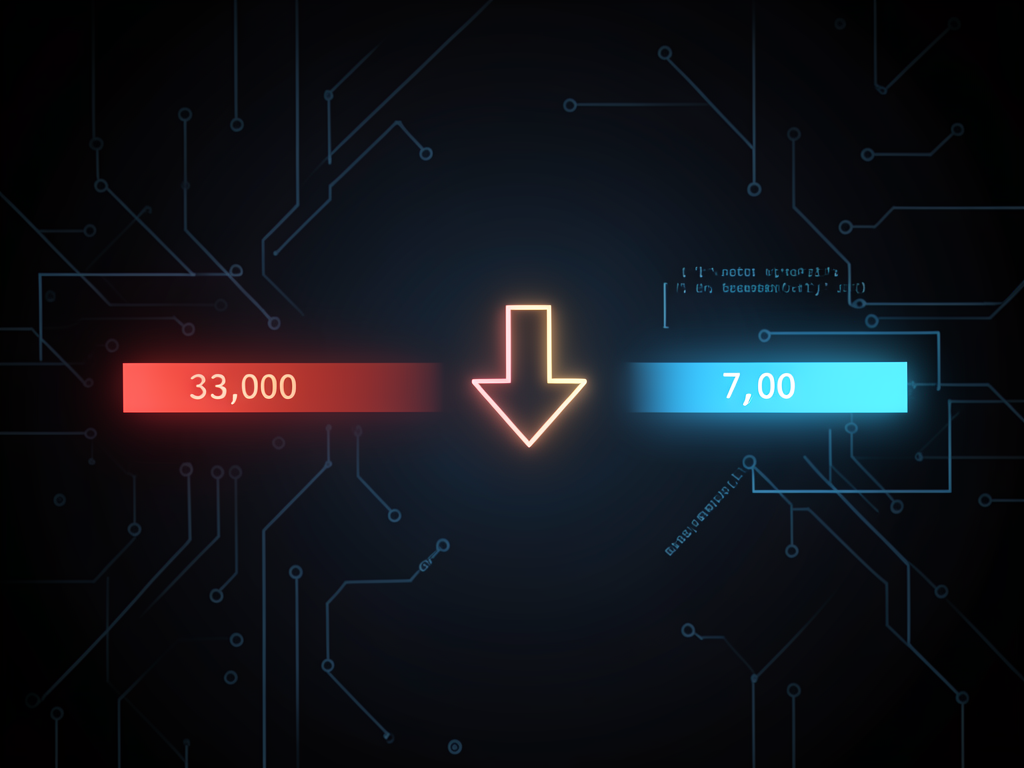
Two leading AI coding assistants waste significant token budgets before users have even submitted a prompt. Developer measurements show Anthropic's Claude Code consumes 33,000 tokens on preliminary overhead before processing any actual input. Its competitor OpenCode, however, performs the same setup using just 7,000 tokens. The gap raises questions about resource efficiency in premium developer tools that charge per token.
Measuring the Token Efficiency Gap
Developers testing both tools found the overhead appears during the first interaction. Claude Code loads extensive context, system prompts and internal instructions before a user types anything. OpenCode takes a more minimal approach, loading only essential framework components. The 26,000-token difference means Claude Code's overhead alone could account for the cost of an entire short conversation in other models.
Several factors contribute to the disparity:
OpenCode's architecture, possibly built for lighter weight operation, skips many of these preflight steps. The result is a faster startup with significantly lower token burn.
Why This Matters
Token waste directly increases operational costs for individual developers and teams. A shop running hundreds of automated coding sessions daily could see monthly expenses climb substantially from overhead alone. The inefficiency also slows down the user experience: every wasted token means longer wait times before the assistant begins actual work.
For enterprises paying for high-volume usage, the difference between Claude Code and OpenCode becomes a real budget concern. Smaller teams with limited compute budgets may find the overhead prohibitive for iterative tasks. The disparity also puts pressure on Anthropic to justify the larger token footprint or to optimize its startup sequence.
Broader industry trends lean toward leaner models. Google's Gemini and Meta's Llama families have both pushed for faster inference and lower token consumption. Claude Code's 33,000-token preamble runs counter to that direction. The measurement suggests that token efficiency may become a competitive differentiator for developer tools in 2025.
Practical Considerations for Developers
Anyone relying on an AI coding assistant should audit per-session token usage before committing to a platform. Tools like OpenCode show that minimal overhead is achievable without sacrificing capability. Teams building workflow automations that trigger many model calls should prioritize tools with lower baseline consumption.
Claude Code may still deliver superior output for complex reasoning tasks. The extra 26,000 tokens could include enhanced context windows or more robust planning logic. Buyers, however, should weigh that benefit against ongoing token costs. The efficiency gap is large enough that it should factor into any professional tool selection decision.