Editor: Porcia Akua Holmes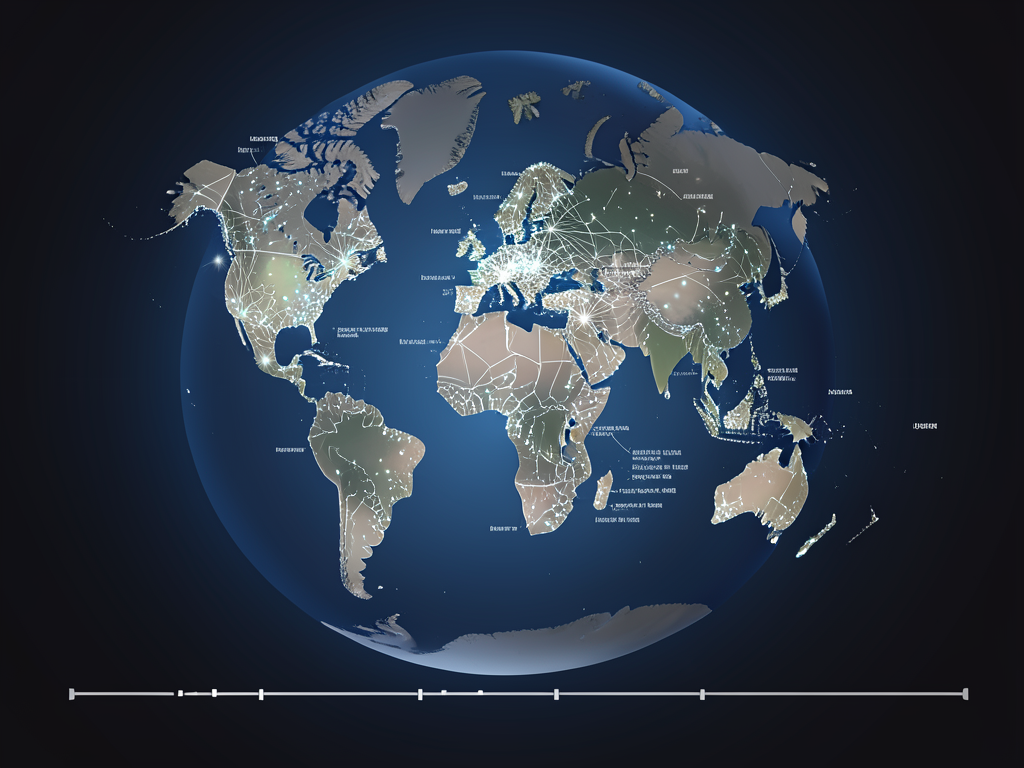
A new interactive project called War Atlas attempts to catalog and map every named war in recorded human history. The project aggregates conflicts from ancient battles to modern campaigns, presenting them on a global timeline that users can explore. It is a data visualization effort that aims to make the scale and frequency of human warfare more tangible.
Building a Complete War Record
War Atlas draws from historical records, encyclopedias of military history, and academic datasets to identify conflicts that meet its definition of a named war. The project's creator assembled this information into a browsable digital atlas with points on a world map. Each entry includes dates, combatants, and a brief summary of the conflict. The work is comparable to other large-scale historical databases but focuses exclusively on wars.
Why This Matters
War Atlas gives historians, educators, and the public a single view of armed conflict's breadth. For researchers, it reveals patterns in how war has shifted geographically over millennia. The project also underscores the difficulty of classifying and naming conflicts, raising questions about which wars are remembered and which are forgotten. As an ongoing project, it will need regular updates to incorporate new scholarship and conflicts, but it already offers a sobering perspective on the prevalence of war.
Technical Foundations
The project uses standard web mapping technologies to render its data. The codebase is open source, allowing others to audit or contribute to the dataset. The creator compiled entries from sources like Wikipedia, academic battle lists, and historical atlases, then normalized dates and locations. The result is a usable front end built on a structured backend database of thousands of war records.