Senior Editor: Alan Agbele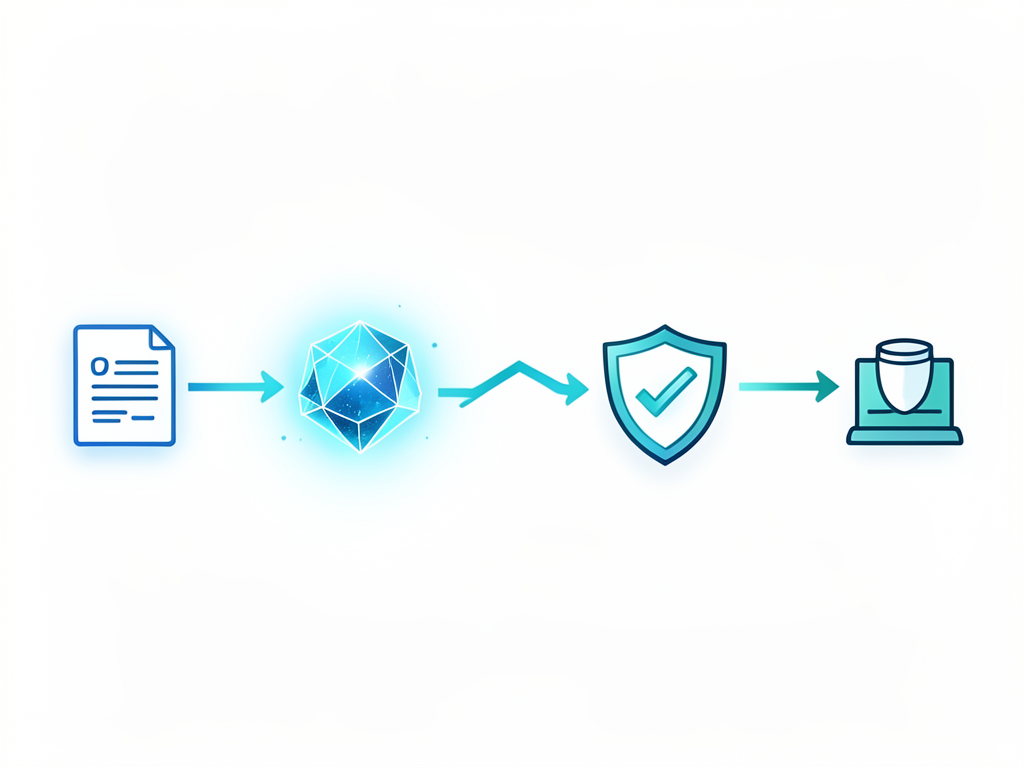
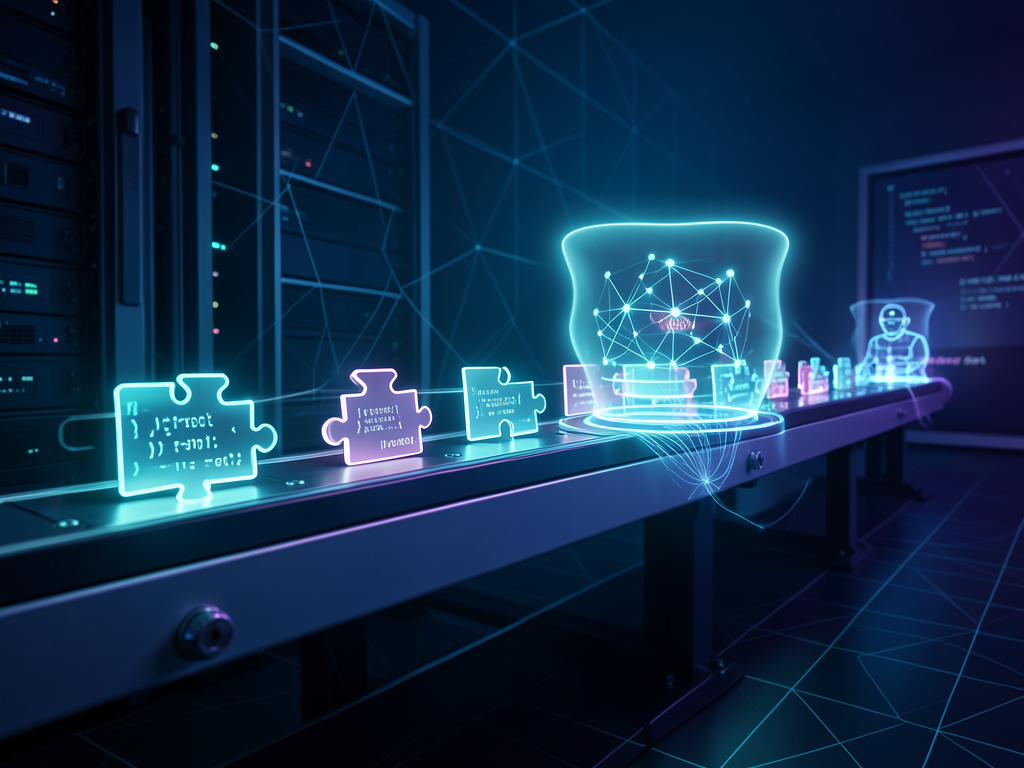
Software development teams are beginning to deploy autonomous AI agents that can open, review and merge pull requests without direct human intervention. The approach known as an AI Software Factory aims to automate repetitive code integration tasks that have long consumed developer time.
The Rise of PR Automation
Automated code review has existed for years through static analysis and linting. What is new is the ability of AI agents to open a PR, review the changes and merge them. These agents can also read and respond to comments, acting as a full participant in the development workflow.
A growing number of engineering teams are exploring what they call Build agents. These programs operate within the AI Software Factory concept, a framework where multiple AI agents collaborate to produce and integrate code. The approach aims to free human developers from routine integration tasks.
How Agents Handle the Full Cycle
The workflow typically involves several steps that mirror human activity. Developers set policies and the agents execute within those boundaries. The process includes:
These agents also monitor comments on the pull request. They can respond to review feedback by adjusting code or explaining their reasoning, closing the loop without human involvement.
Implications for Developer Productivity
Early reports from teams using such agents show a reduction in time spent on routine PR management. Developers can focus on architecture and complex logic rather than waiting for tests or triggering merges. The downside is a potential loss of contextual understanding that human reviewers provide.
Teams that have adopted agents emphasize the importance of well-defined guardrails. Automated merges may need approval thresholds or fallback to human review for critical code paths. Without these safeguards, the speed gain could come at the cost of increased defects.
Why This Matters
The shift toward AI agents that own the entire PR lifecycle changes who is responsible for code quality. For individual developers, the change means less time on integration chores but also less direct exposure to code review practices that teach new engineers. For engineering managers, the tools offer measurable throughput improvements but require new governance models. The industry will likely see a split between teams that embrace full automation and those that keep humans in the loop for every merge.
If the AI Software Factory approach matures, it could redefine the role of the software engineer. The focus may move from writing integration code to designing systems that agents can safely build and maintain.