Senior Editor: Alan Agbele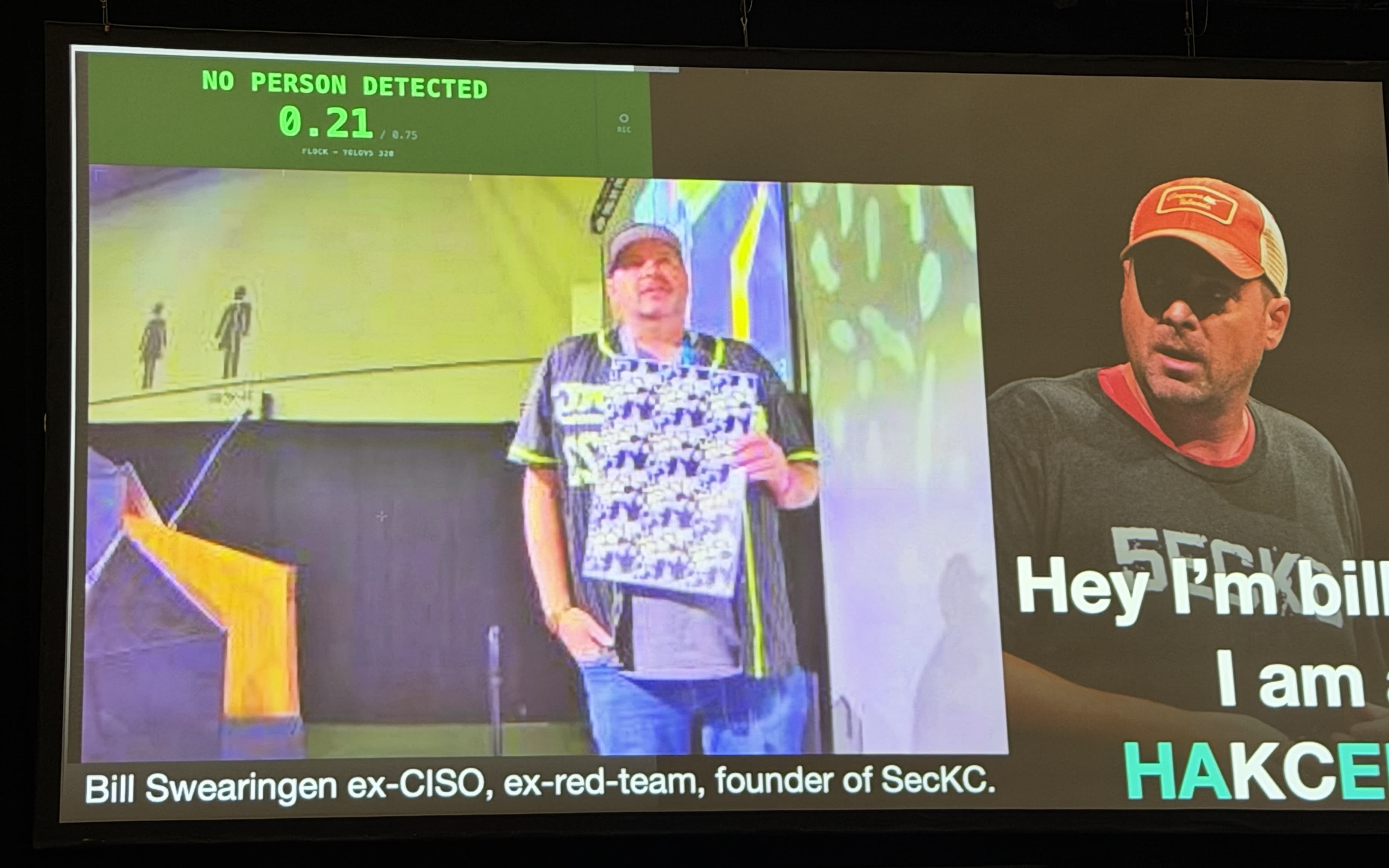
Could a shirt fool facial recognition? The answer, as it turns out, is complicated. A new study from the Cyprus Institute of Technology demonstrates that a specially designed shirt with printed adversarial patterns can cause facial recognition algorithms to misidentify or completely overlook a wearer. The findings highlight persistent vulnerabilities in biometric surveillance systems that are already deployed in airports, stadiums and law enforcement operations.
How the Adversarial Shirt Works
The research team tested their shirt design against a popular facial recognition model called FaceNet. The shirt features a checkerboard pattern with carefully chosen color contrasts that disrupt the algorithm's ability to locate a face. In controlled experiments, the pattern caused the system to fail to detect a face in 60% of cases. When the algorithm did detect a face, it often misidentified the wearer as a different person.
Why This Matters
The implications extend beyond academic curiosity. Governments and private companies have deployed facial recognition systems in airports, schools and police body cameras. If a simple printed shirt can consistently fool these systems, the reliability of such deployments comes into question. Privacy advocates see the adversarial shirt as a potential tool for citizens who want to avoid automated surveillance. Security officials, however, worry that similar techniques could be used to bypass access controls or hide identities during criminal activity. Regulators may need to revisit testing standards for biometric systems to account for adversarial attacks.
The Broader Trend in AI Vulnerabilities
This research is part of a wider pattern of adversarial attacks on machine learning models. From sticker-like patches that fool stop sign detectors to altered text that tricks spam filters, AI systems have repeatedly shown sensitivity to carefully crafted inputs. The shirt study underscores that such vulnerabilities are not limited to digital environments but extend to physical objects. As facial recognition becomes more common, the arms race between attackers and defenders will likely intensify, pushing researchers to develop algorithms that are more robust against adversarial manipulation.