Editor: Porcia Akua Holmes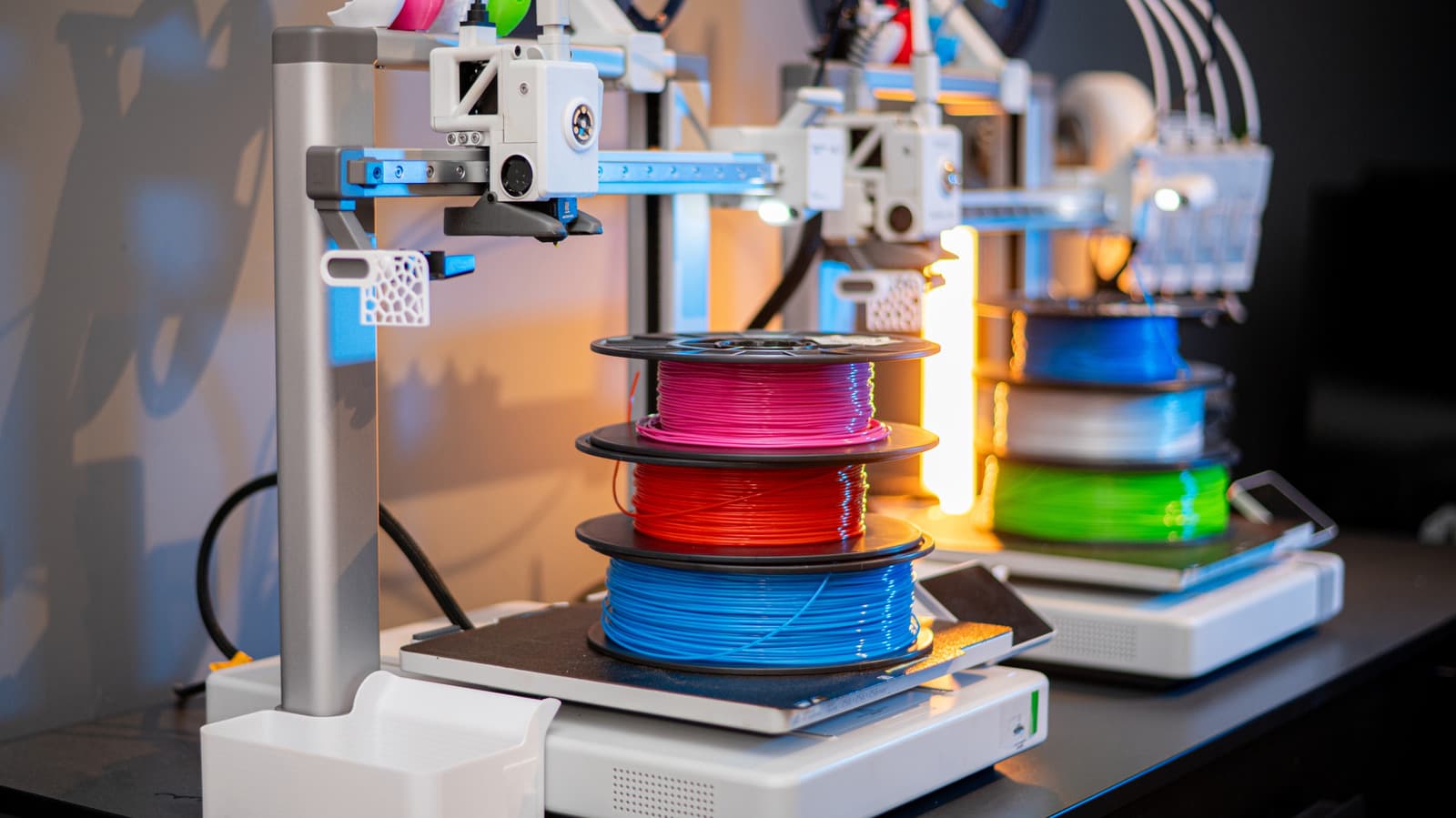
3D printing is eliminating one of the biggest frustrations in home repair: waiting days or weeks for a replacement part to arrive in the mail. With a desktop printer and the right design file, anyone can fabricate a functional part in hours instead of waiting for shipping.
The Rise of Home Manufacturing
3D printing has moved beyond hobbyist trinkets into practical, everyday use. Consumers are increasingly turning to additive manufacturing to produce custom or discontinued spare parts that would otherwise be hard to find. The ability to print on demand means no minimum order quantities and no shipping costs for single items.
This trend aligns with a broader shift toward local, decentralized production. Instead of relying on global supply chains for a simple plastic bracket or a switch cover, a homeowner can download a file and press print. The result is faster turnaround and a smaller carbon footprint for each repair.
The range of Cool Spare Parts And Replacements You Can Print If you have the right nozzle size and material continues to grow. Community repositories such as Thingiverse and Printables host thousands of files vetted by other users. For many common household items, a working replacement is just a download away.
Why This Matters
This capability challenges the traditional repair economy. Manufacturers often sell proprietary parts at a premium or force consumers to replace entire products. When a 3D printer can recreate a broken component for pennies, the equation changes. Consumers gain independence, and the pressure to design repairable products increases.
The environmental impact is also significant. Every part printed at home avoids injection molding, shipping and packaging waste. Over time, a single printer can offset its own manufacturing carbon footprint by replacing dozens of shipped parts. This makes 3D printing a practical tool for sustainability-minded households.
However, there are limits. Not all plastics used in consumer goods are suitable for home printing. Critical parts that bear weight or endure heat still require traditional methods. Users must also ensure their printed parts meet safety standards for electrical or food-contact applications.
The New Skills Gap
Successfully printing spare parts requires some technical know-how. Users need to calibrate their printer, choose the correct filament and adjust infill settings for strength. The learning curve can be steep for beginners, but online communities offer extensive guidance.
File availability is another hurdle. While many common items have open-source designs, niche or proprietary parts may lack ready-made files. Some users turn to 3D scanning to digitize a broken part, then refine it for printing. That process still demands a higher level of skill.
Manufacturers are starting to respond. A few companies now partner with 3D printing services or release official CAD files for their products. This trend could expand as the repair movement gains legal traction, with right-to-repair laws pushing for more accessible documentation.
For the average consumer, the most practical path is to start with simple, non-critical parts. A shirt button or a phone stand that breaks is a low-risk entry point. As confidence grows, users can tackle more complex replacements. The days of waiting a week for a tiny plastic piece are slowly ending, one layer at a time.