Senior Editor: Alan Agbele
Zoox has voluntarily recalled its autonomous vehicles after a software failure caused a robotaxi to misinterpret heavy smoke during a routine operation. The incident, which did not result in any injuries or collisions, prompted the company to issue an over-the-air update to improve the vehicle's perception system under degraded visibility conditions.
What Happened With the Zoox Robotaxi
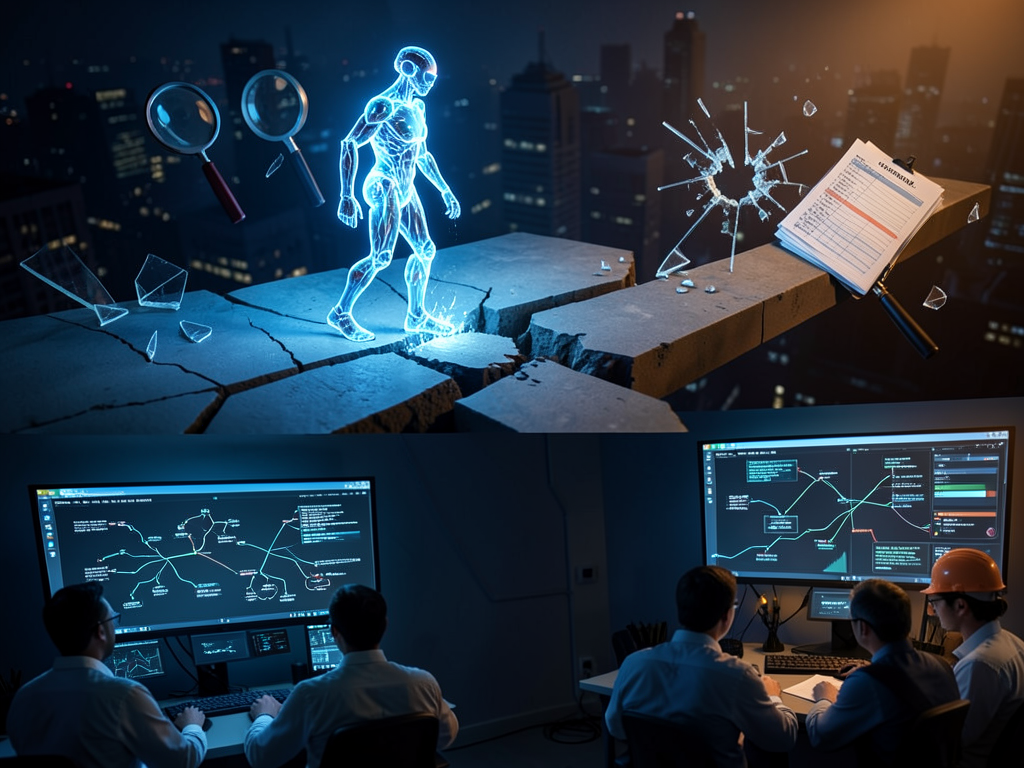
Zoox detected the software flaw during internal testing and immediately notified the National Highway Traffic Safety Administration. The vehicle's perception software failed to correctly classify heavy smoke from a nearby source, leading to erratic behavior. The company pushed a software update to all affected vehicles within days. No public road incidents were reported from the glitch.
Challenges for Autonomous Vehicles
Autonomous driving systems depend on cameras, lidar and radar to interpret the world. Heavy smoke, dense fog or heavy rain can scatter or block sensor signals. Computer vision models trained on clear condition data often struggle in such scenarios. Zoox's recall is a reminder that even advanced AI systems need constant refinement.
Why This Matters
The Zoox recall carries consequences for the broader autonomous vehicle industry. Consumer trust hinges on safety records. A single software failure, even if minor, can erode public confidence. Regulators are likely to tighten testing requirements for perception systems under degraded conditions. Companies must invest in more robust sensor fusion and simulation testing. The incident also reinforces the value of over-the-air software updates as a rapid fix mechanism. But the long-term solution requires advances in AI robustness and hardware redundancy.
Regulatory Oversight Intensifies
NHTSA has been increasingly active in monitoring autonomous vehicle safety. The agency issued a general order requiring AV companies to report crashes. This recall adds to a growing list of software-related actions. Zoox's cooperation with regulators and swift remediation may help calm some concerns. However, the pattern of sensor confusion events across the industry suggests systemic challenges remain unsolved.