Editor: Porcia Akua Holmes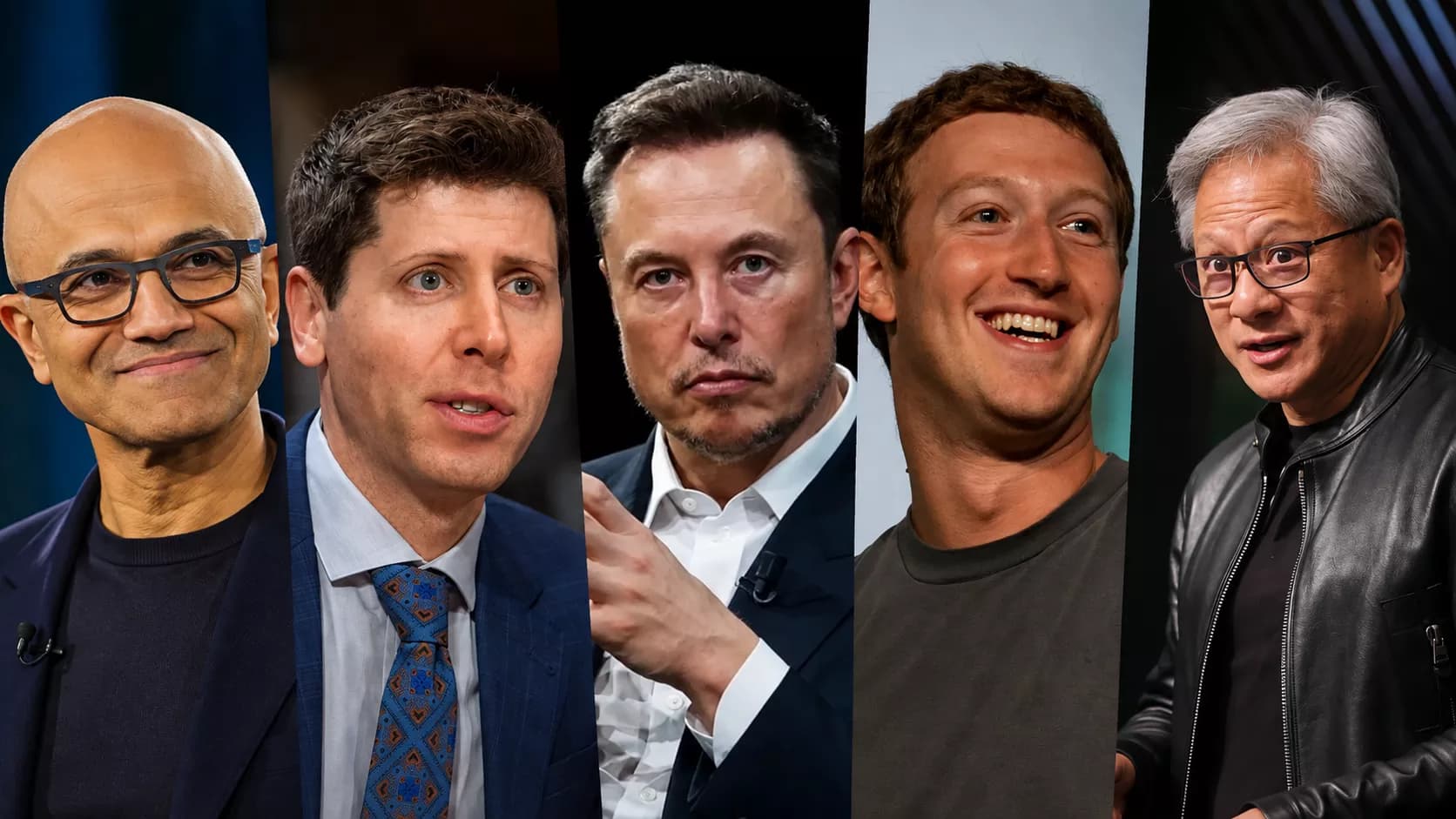
Young adults aged 18 to 34 show sharply divided trust in the tech CEOs steering the artificial intelligence boom, according to a new poll conducted by CNBC and Generational Lab. Participants evaluated nine tech leaders, with one earning the highest confidence while another faced deep skepticism.
The Trust Divide Among Tech Leaders
The CNBC and Generational Lab study presented respondents with the names of nine prominent tech CEOs. Among them, one CEO stood out as the most trusted for AI governance, while another ranked as the least trusted. The full list of names and exact trust percentages were included in the poll report, though the survey authors noted that the gap between the top and bottom scores was substantial.
What Drives Trust in AI Leadership
The poll did not ask respondents why they trusted or distrusted specific CEOs, but prior research points to several factors. Transparency about AI capabilities and risks tends to boost confidence. Companies that publish clear usage policies and invite external audits often earn higher marks from younger users. On the other hand, firms that rush products to market without robust safety checks or that face recurring data privacy scandals typically lose trust quickly.
Generational Lab analysts noted that trust is not static. A CEO who ranks low today could improve their standing by adopting more open AI governance practices. Conversely, a trusted leader risks losing that status if their company suffers a high-profile AI failure.
Why This Matters
The trust gap among tech CEOs has real-world consequences for AI adoption. Young adults are early adopters of technology, and their skepticism can slow the integration of AI into everyday tools such as search engines, virtual assistants and hiring platforms. If the most powerful AI companies are led by executives that the next generation distrusts, regulatory pressure may intensify. Lawmakers in the United States and Europe are already crafting AI rules, and public sentiment will likely influence how strict those regulations become. Companies that fail to address the trust deficit risk not only reputational damage but also reduced market share as younger consumers gravitate toward competitors they view as more responsible.
The poll also signals a generational shift in how leadership is evaluated. For young people, a CEO’s stance on AI is becoming a key part of their overall corporate reputation, alongside issues such as climate change and labor practices.
What This Means for the Industry
Tech companies investing heavily in AI cannot afford to ignore the trust metrics revealed by this poll. The CNBC and Generational Lab data provides a baseline for how the next wave of users perceives current leadership. Firms that rank poorly may need to appoint AI ethics officers, publish transparency reports or open their models to third-party testing. Those already trusted must work to maintain their standing as their AI ambitions expand.
The results also suggest that young adults are paying close attention to which CEOs speak about AI regulation. Leaders who publicly advocate for thoughtful oversight may gain an edge, while those who resist regulation may deepen distrust. As AI becomes more embedded in daily life, the trust gap between CEOs and young users will only grow more consequential.