Editor: Porcia Akua Holmes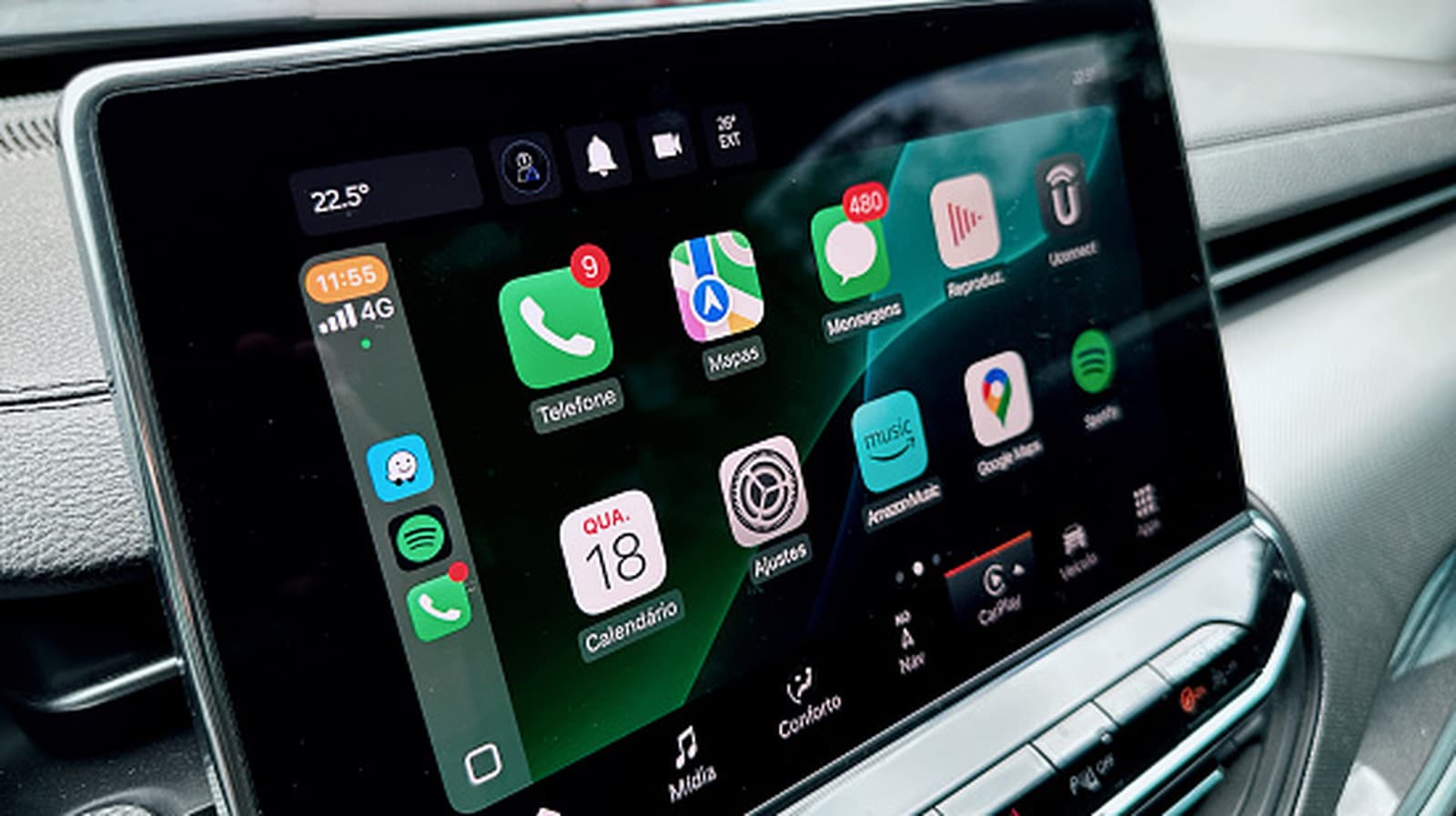
Aftermarket car adapters are filling a gap that automakers have left open for years: wireless Apple CarPlay. Ottocast, a compact device that plugs into a vehicle's USB port, now offers drivers a way to ditch the cable without buying a new car. The adapter converts existing wired CarPlay systems into wireless ones, activating automatically when the engine starts.
How Ottocast CarPlay Works
Ottocast replaces the physical USB cable that normally connects an iPhone to the car's infotainment system. Once plugged into the vehicle's USB port, the adapter broadcasts a Bluetooth signal that the iPhone recognizes as a CarPlay-compatible device. After a one-time pairing, the phone automatically connects via Wi-Fi every time the driver enters the car.
Pricing and Availability
Ottocast markets several variants, including the U2 Air Pro and U2 Air, which range from $59 to $89 on Amazon and the company's own website. The price gap reflects differences in Wi-Fi chipset and casing materials rather than core functionality. Some retailers also bundle a USB-C adapter for newer vehicles. Shipping is typically free, and the devices ship from warehouses in the United States, Europe and Asia.
Why This Matters
The rise of aftermarket CarPlay adapters like Ottocast signals a broader shift in consumer expectations. Drivers increasingly view wireless smartphone integration as a standard feature, not a luxury option. Automakers have been slow to adopt wireless CarPlay even in new models, leaving owners of otherwise perfectly functional vehicles without the convenience they want. Ottocast and similar products solve that problem for a fraction of the cost of upgrading the head unit or trading in the car. For the aftermarket accessory industry, this trend represents a steady revenue stream: once a driver experiences cable-free CarPlay, they rarely go back to the cord.