Editor: Porcia Akua Holmes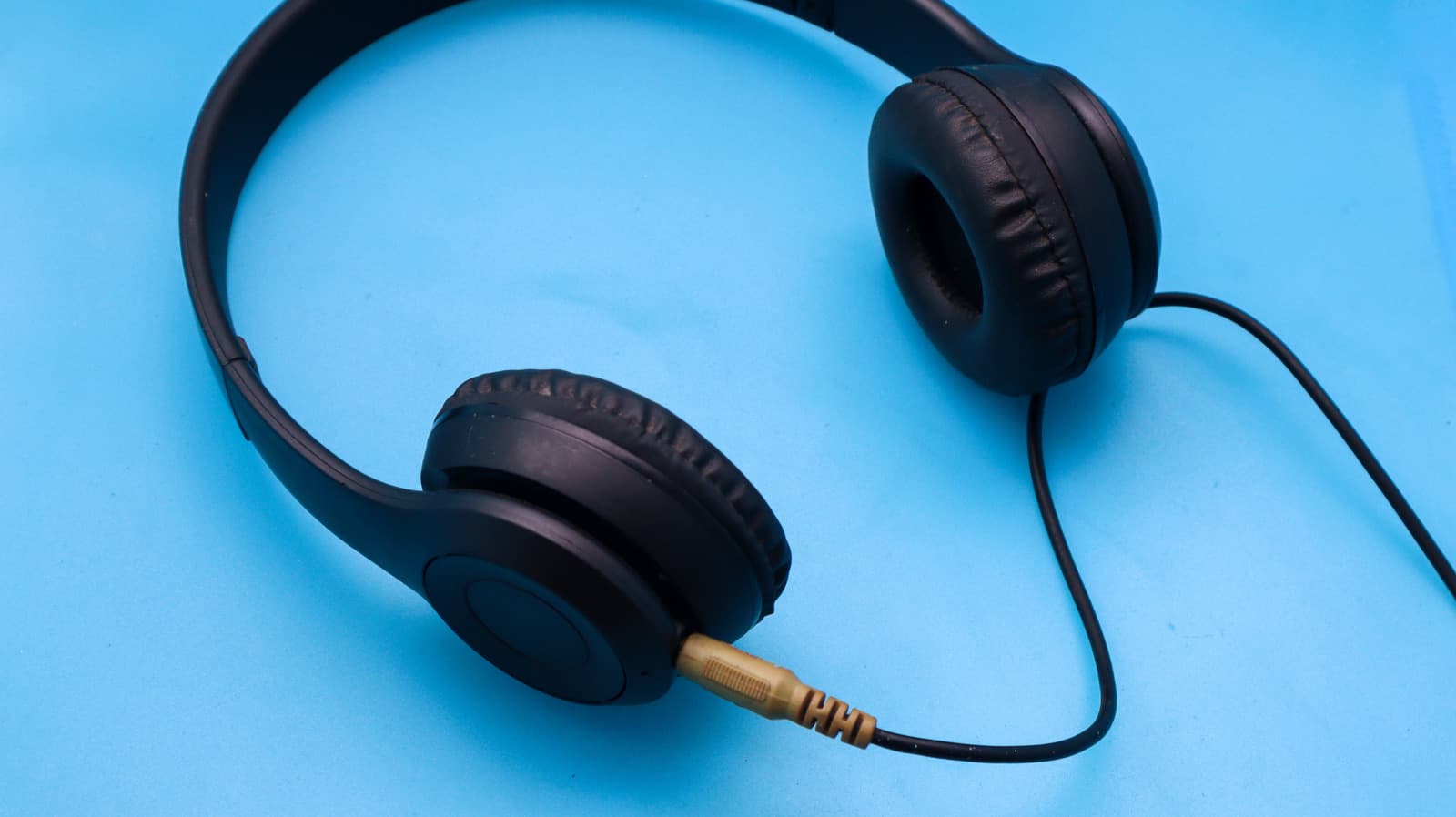
After years of wireless dominance, wired headphones are experiencing a resurgence among audiophiles and casual listeners alike. The shift reflects a growing desire for reliable audio quality, zero latency and no battery anxiety. But as demand climbs, so does the risk of poor purchasing decisions.
The Return of the Cable
The resurgence of wired headphones is not a niche trend. Streaming platforms and high-resolution audio services are pushing listeners toward equipment that can handle uncompressed sound. Meanwhile, major brands have started releasing wired models alongside their wireless lines, catering to a market that values simplicity and reliability. This shift has revived interest in classic designs and opened the door for new entrants.
But the renewed interest also brings confusion. Many buyers assume all wired headphones deliver the same experience. In reality, the technology varies widely. Key differentiators include driver types, cable quality and connector standards. Buyers who focus only on price often end up with products that fail to deliver on comfort or sound.
Mistakes That Derail the Experience
Newcomers to wired headphones commonly repeat a few errors. The most important ones can turn a promising purchase into a regret.
Other slip-ups include ignoring ear pad material, which affects comfort over long sessions, and forgetting to check the connector type. Most headphones still use a 3.5mm jack, but some require a quarter-inch adapter for proper audio gear.
Why This Matters
The return of wired headphones signals a broader rejection of disposable tech culture. Consumers are prioritizing longevity and performance over convenience features that add cost and complexity. For makers, this means pressure to deliver products that last. For buyers, it means more choices but also more responsibility in selecting the right pair. Getting it wrong wastes money and undermines the very benefits that make wired listening appealing.
The market will likely continue to grow as streaming services support higher bitrates and as buyers educate themselves. Those who take the time to understand specifications and avoid common pitfalls will enjoy a richer, more reliable audio experience for years to come.