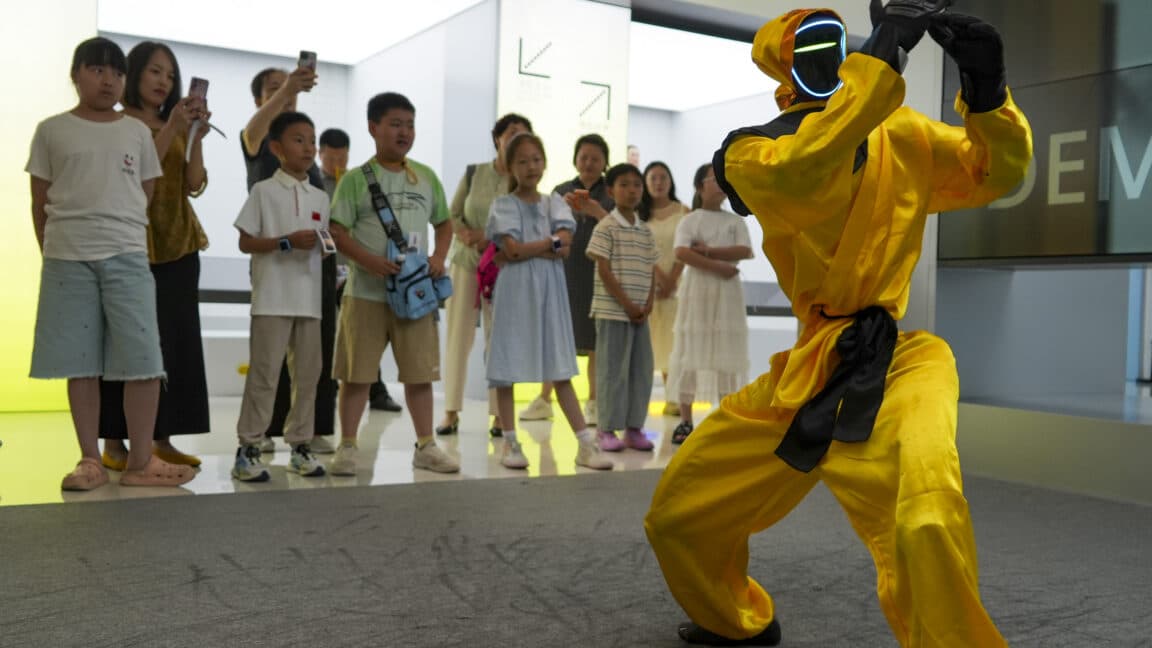
Humanoid robots are going viral on the internet, but experts say the hype often outpaces reality. Tech companies regularly showcase machines performing acrobatic stunts or household chores, yet a significant gap remains between these polished demonstrations and proving that the same robots can reliably handle such tasks in unpredictable real-world environments.
The Anthropomorphism Trap
Jonathan Hurst, cofounder of Agility Robotics and a robotics researcher at Oregon State University, warns that humanoid figures trigger a powerful psychological response. People automatically assume that a robot that looks like a person can do everything a person can do, he said. A robot arm doing a dance move may seem cool, but a humanoid robot doing the same move can create misleading assumptions about its broader abilities.
Hurst noted that some startup companies exploit this tendency to raise funding. They prey on the natural human inclination to anthropomorphize objects with human-like forms, he told Ars Technica.
Why This Matters
The gap between viral video and real-world performance has direct implications for investors, consumers and policymakers. Companies raising millions on flashy demos may not deliver products that work reliably outside controlled settings. For industries considering automation investments, mistaking a demonstration for proven capability could lead to costly mistakes. The public also risks developing unrealistic expectations about how soon humanoid robots will enter daily life.
Separating Hype from Reality
Robotics researchers emphasize that reliable performance across varied conditions remains the true benchmark for commercial viability. A robot that can dance in a studio may fail when asked to navigate cluttered rooms or handle unexpected obstacles. The field has made genuine progress in hardware and AI control systems, but translating viral moments into practical products requires years of rigorous testing.
Until companies provide transparent data on failure rates and operational reliability across diverse environments, skepticism remains warranted. The most impressive robot video is still just a video until it proves itself outside the lab.