 Editor: Porcia Akua Holmes
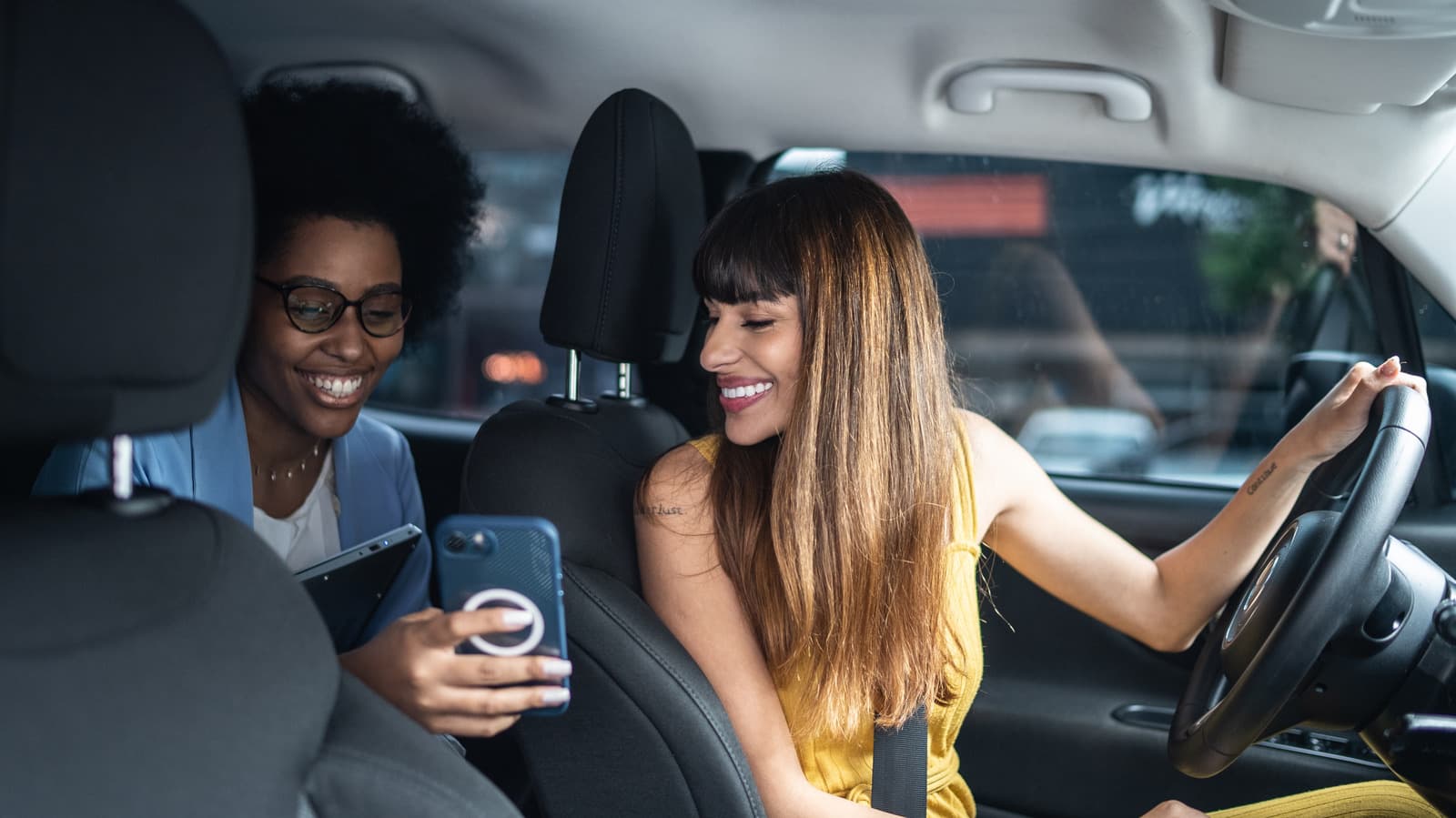
Uber drivers are increasingly carrying two smartphones, not for luxury but for survival on the road. The practice, common among full-time drivers, stems from a need to separate work from personal life and to avoid technical conflicts between the Uber driver app and other essential apps.
The Two-Phone Strategy: Separation and Technical Workarounds
Drivers cite two main reasons for the second device. The first is personal: keeping work-related calls, messages and app notifications off their primary phone allows them to disconnect after shifts. The second is technical: the Uber driver app can conflict with other apps, particularly music streaming services and navigation tools.
When the Uber app is active, it often takes over the phone's audio and GPS functions. Drivers who rely on Spotify or Apple Music for passenger entertainment, or who use Google Maps for navigation, find these apps interrupted or disabled. A second phone solves this by dedicating one device solely to the Uber platform.
How the Uber App Interferes With Other Services
The Uber driver app is designed to manage trips, navigation and communication in one place. On a single phone, this can create conflicts with other apps that drivers need. For example, when a ride request comes in, the Uber app may pause music playback or switch the screen to navigation, forcing the driver to juggle tasks.
Drivers also report that the Uber app can interfere with phone calls, making it difficult to contact passengers or receive personal calls. A second phone eliminates these interruptions by isolating the Uber app on its own device.
Why This Matters
The two-phone trend highlights a growing burden on gig workers who must supply their own tools. As Uber and similar platforms continue to rely on independent contractors, drivers absorb costs for equipment that traditional employers would provide. This includes not just phones but also car maintenance, insurance and data plans.
For Uber, the practice may reduce support requests related to app conflicts, but it also signals that the driver app could be more compatible with other services. Competitors like Lyft face similar issues, and drivers who work for multiple platforms often carry even more devices. The long-term impact could be higher barriers to entry for new drivers, who must invest in extra hardware to stay competitive.
What Drivers and Platforms Can Do
Drivers who use two phones recommend dedicating one device exclusively to the Uber app and keeping it charged with a car charger. They also suggest using a mount for each phone to avoid distractions. Some drivers use the second phone for personal use, switching to it only when the Uber app is idle.
Uber has not officially addressed the two-phone phenomenon, but the company could improve its app to better coexist with other services. Features like picture-in-picture navigation or smarter audio management would reduce the need for a second device. Until then, drivers say the extra phone is a practical necessity, not a luxury.


