Senior Editor: Alan Agbele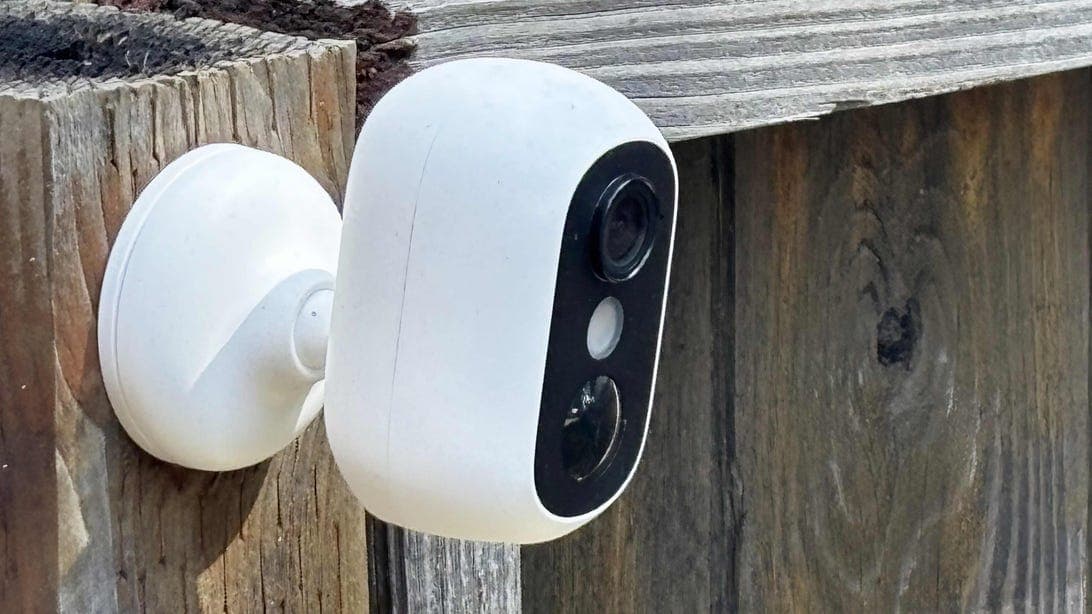
Monthly fees for home security cameras are becoming a thing of the past. In 2026, more manufacturers are releasing cameras that require no subscription at all. Homeowners get full access to features without recurring costs. This shift is redefining the home security market.
Why This Matters
The change directly affects millions of households. Subscription fees typically range from $3 to $10 per month per camera. Over a year, that adds up quickly. By eliminating these fees, companies save consumers significant money. The move also addresses privacy concerns. With no cloud subscription, video can be stored locally on microSD cards or network video recorders. Users retain control of their footage. They avoid potential data breaches associated with cloud storage.
The Market Shift Toward No-Fee Models
Major players like Eufy, Reolink and Arlo have expanded their subscription-free lineups. Even traditionally subscription-heavy brands now offer basic features for free. Industry analysts point to growing consumer demand for transparent pricing. People want to know the upfront cost without hidden monthly charges. This trend is especially strong among younger homeowners who prefer minimal ongoing commitments. The shift also pressures companies to innovate. Without recurring revenue, they must compete on hardware quality and smart features.
Key Features in Subscription-Free Cameras
Modern no-fee cameras now include advanced motion detection, night vision and two-way audio. Many use on-device AI for person, pet and vehicle recognition. This keeps processing local and reduces bandwidth needs. Local storage options often support large capacities. Some models offer continuous recording without extra fees. Battery life has also improved, with some cameras lasting up to a year on a single charge. These advancements make subscription-free cameras a viable option for most homes.
Challenges and Trade-offs
No free model is perfect. Without a subscription, some advanced features like cloud backup or smart home integrations may be limited. Users need to manage their own storage and ensure device firmware is updated. Customer support may also be less extensive for free tiers. Yet for many, these trade-offs are acceptable. The savings and privacy benefits outweigh the minor inconveniences. As more brands enter this space, competition will likely improve the overall experience.
Home security is becoming more affordable and user-controlled. The subscription-free trend shows no signs of slowing down.