Senior Editor: Alan Agbele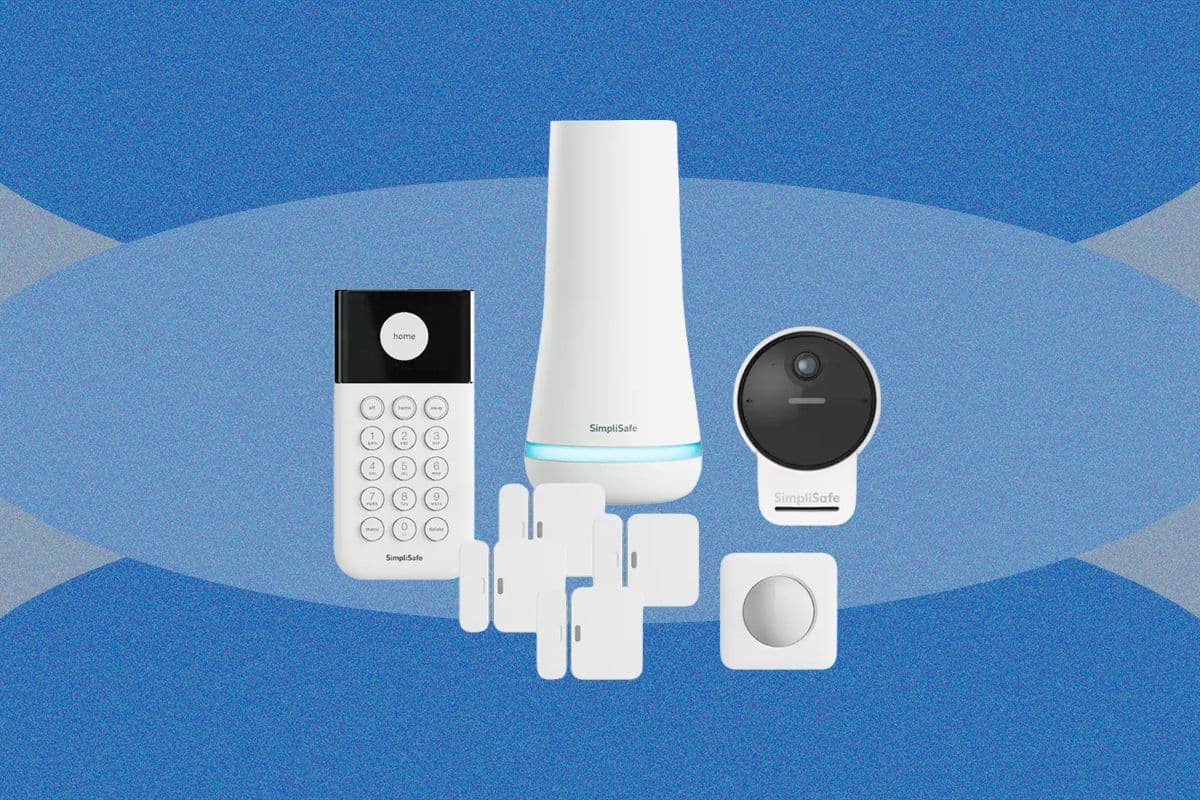
Homeowners are increasingly turning away from rigid, contract-heavy security systems. The shift toward modular setups that allow for easy expansion and customization is gaining momentum in 2026.
The Appeal of Modular Design
Traditional home security systems often lock customers into multiyear contracts and limited hardware options. Modular systems, by contrast, let users start with a basic package and add components over time. This approach appeals to renters, first-time homeowners and anyone who wants to avoid upfront costs or long-term commitments.
SimpliSafe has been a key player in this space for nearly a decade. Its no-contract model allows users to purchase sensors, cameras and alarms individually. Adding new devices typically takes minutes without professional installation.
Why This Matters
The modular trend directly affects consumers who want control over their home security spending. Instead of paying for features they do not need, homeowners can build a system that matches their specific risks and budget. This flexibility also makes it easier to upgrade as technology improves or as household needs change.
For the broader market, the rise of modular systems pressures traditional providers like ADT and Vivint to rethink their pricing models. It also opens the door for more competition from smart home platforms such as Ring and Wyze.
Key Benefits for Homeowners
- No long-term contracts or cancellation fees
- Easy self-installation without drilling or wiring
- Ability to expand coverage room by room
The Future of Home Security
As smart home ecosystems grow more interconnected, modular security systems are likely to become the standard rather than the exception. Consumers now expect interoperability between devices from different brands. Companies that offer open platforms will have an edge over those that lock users into proprietary hardware.
The move toward modularity reflects a broader consumer demand for simplicity and choice in technology purchases. For anyone considering a home security upgrade in 2026, starting small with room to grow may be the most practical path forward.