Editor: Porcia Akua Holmes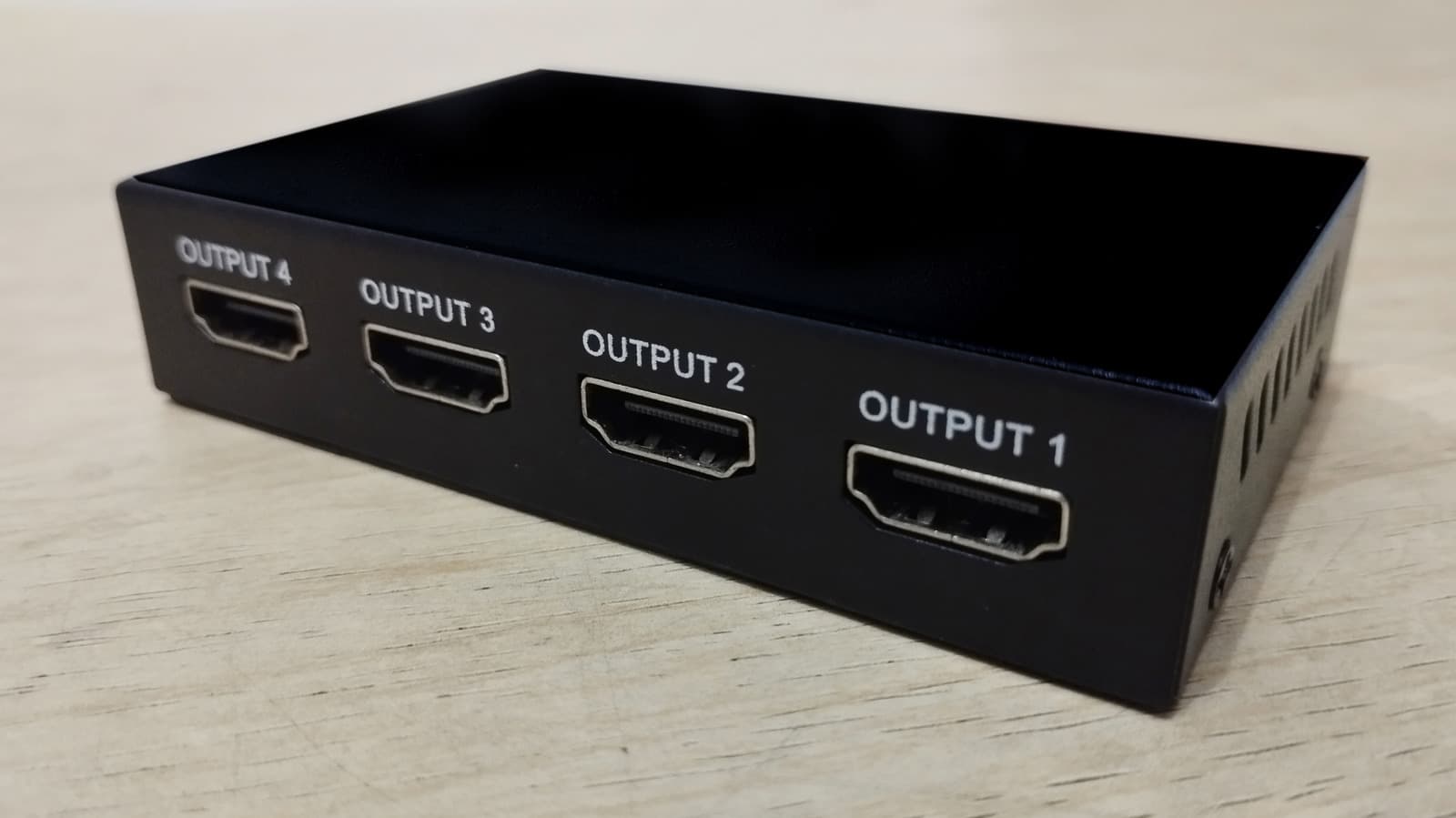
For years, A HDMI splitter has been the go-to tool for sending a single video source to multiple screens. But as home theaters and gaming setups push for higher resolutions and faster refresh rates, the limitations of this simple device have become impossible to ignore. The disadvantages of using an HDMI splitter go far beyond a clunky cable arrangement; they affect picture quality, compatibility and user control.
Signal Dependence and Bandwidth Limits
The core problem with a basic HDMI splitter is that it duplicates a single signal without any processing. Every connected display must receive the same video stream at the same resolution, refresh rate and color depth. This creates serious bottlenecks when mixing older and newer screens. The splitter cannot negotiate different EDID (Extended Display Identification Data) requests from each display, so it forces a compromise that often leaves high-end monitors underutilized.
No Independent Display Control
A HDMI splitter treats every connected screen as a mirror image. You cannot have one display showing a movie while another shows a game, nor can you send different audio streams to separate speakers. This limitation makes splitter-based setups impractical for digital signage, multi-room video distribution or any scenario where each display needs its own content. The splitter is purely a signal duplicator with zero intelligence.
Why This Matters
As 4K HDR and 120Hz gaming become standard, the flaws of traditional splitters grow more costly. Consumers who buy a cheap splitter risk ruining their viewing experience with flickering, dropped signals or washed-out colors. The real impact falls on home theater enthusiasts and pro AV installers who need reliable multi-display support. Without proper bandwidth and independent EDID management, an HDMI splitter becomes a bottleneck that undermines the performance of otherwise high-end equipment. The market is shifting toward matrix switches and HDMI 2.1 capable receivers, making the old splitter model increasingly obsolete.
What Users Should Consider Instead
For anyone experiencing the disadvantages of using an HDMI splitter, the solution is usually a powered HDMI matrix switch or a dedicated AV receiver. These devices offer individual resolution scaling, HDCP 2.2 support and full bandwidth for 4K 120Hz. For simpler setups, a powered splitter with built-in EDID management can solve some issues, but it still cannot provide independent control. Buyers should check their displays' specific HDMI version and bandwidth requirements before purchasing any signal distribution device.