Editor: Porcia Akua Holmes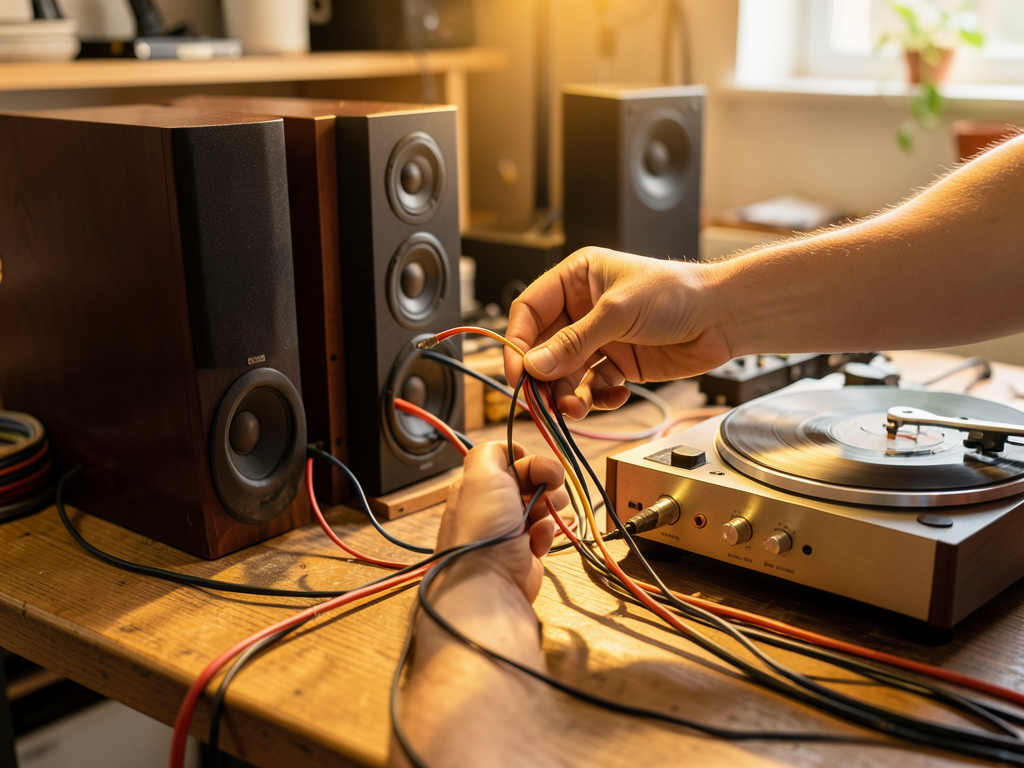
Assembling your own home audio system from separate components is more than a hobby. It triggers a measurable psychological payoff that explains why so many enthusiasts spend hours matching speakers, amplifiers and turntables. The satisfaction is not just about sound quality. It is about the act of building itself.
The Psychology Behind the Build
Psychologists refer to the phenomenon as the IKEA effect, a cognitive bias in which people place a disproportionately high value on products they have partially created. When you assemble a pair of bookshelf speakers and a vintage amplifier into a functional stereo, your brain rewards you with a dopamine release tied to goal completion. The effort invested transforms the system from a commodity into an extension of your identity.
Another driving force is self-determination theory, which identifies autonomy, competence and relatedness as pillars of intrinsic motivation. Building a DIY audio system satisfies all three. You choose every component (autonomy), you wire and configure it successfully (competence) and you share the result with a community of fellow audiophiles (relatedness). These elements combine to produce a satisfaction that surpasses simply buying a finished product.
Why This Matters
The consumer electronics industry has long pushed all-in-one solutions and wireless speakers that prioritize convenience over customization. Yet the enduring appeal of DIY audio shows that many users actively seek out the challenge of building their own rigs. This trend has implications for manufacturers and retailers alike. Brands that offer modular components and clear aftermarket support stand to capture a loyal audience that values the building journey as much as the listening experience. For consumers, understanding the psychological rewards can validate the time and money spent on such projects and encourage them to pursue more hands-on engagements with technology.
Community and Shared Knowledge
The DIY audio movement thrives on shared expertise. Forums like AudioKarma and subreddits dedicated to vintage gear are filled with troubleshooting guides and upgrade paths. This communal aspect deepens the satisfaction because it turns a solitary build into a social achievement. When a builder posts a photo of a completed system and receives feedback, the sense of relatedness amplifies the psychological benefits.
The Enduring Appeal of a Hands-On Hobby
In an era of subscription services and disposable devices, assembling a DIY audio system offers a rare opportunity for lasting ownership. The physical act of connecting wires, setting up crossovers and tuning the room creates a tactile connection that streaming services cannot match. As more people seek analog experiences in a digital world, the satisfaction of building your own sound system stands as a powerful counterpoint to passive consumption.