The race to build smarter artificial intelligence has taken an unexpected turn. Some of the biggest names in AI are now competing on an unlikely front: typography.
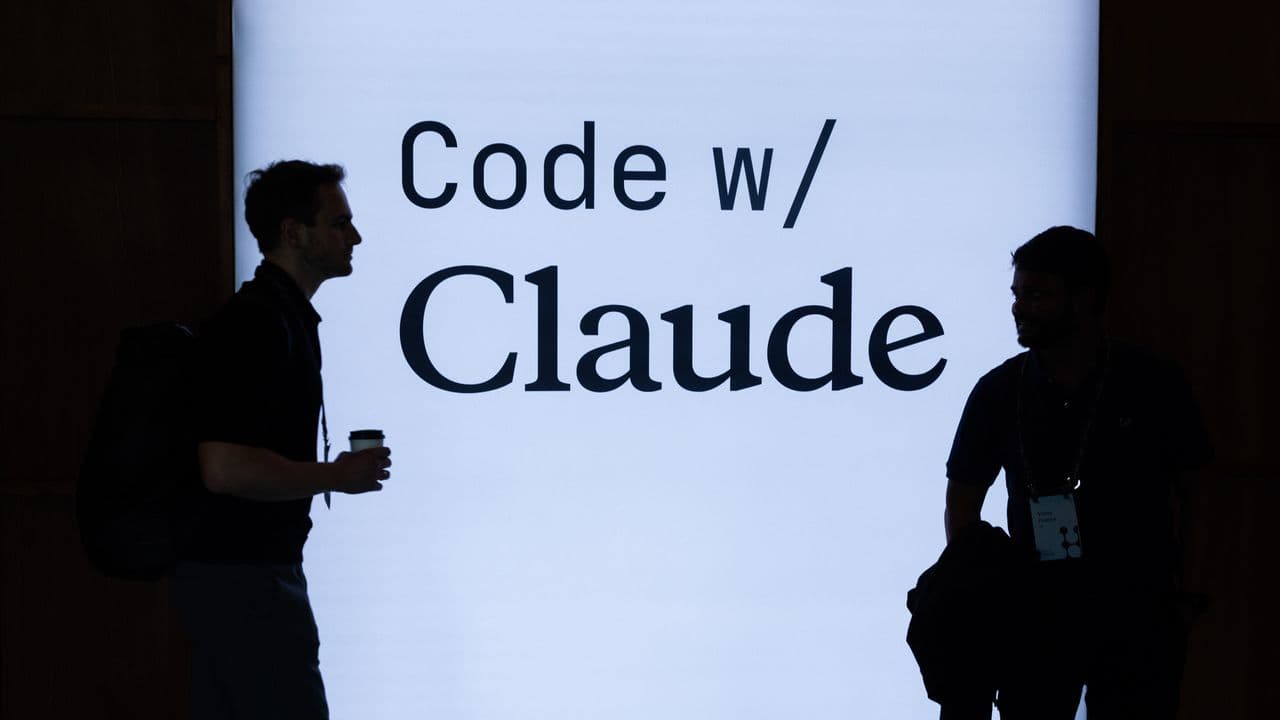
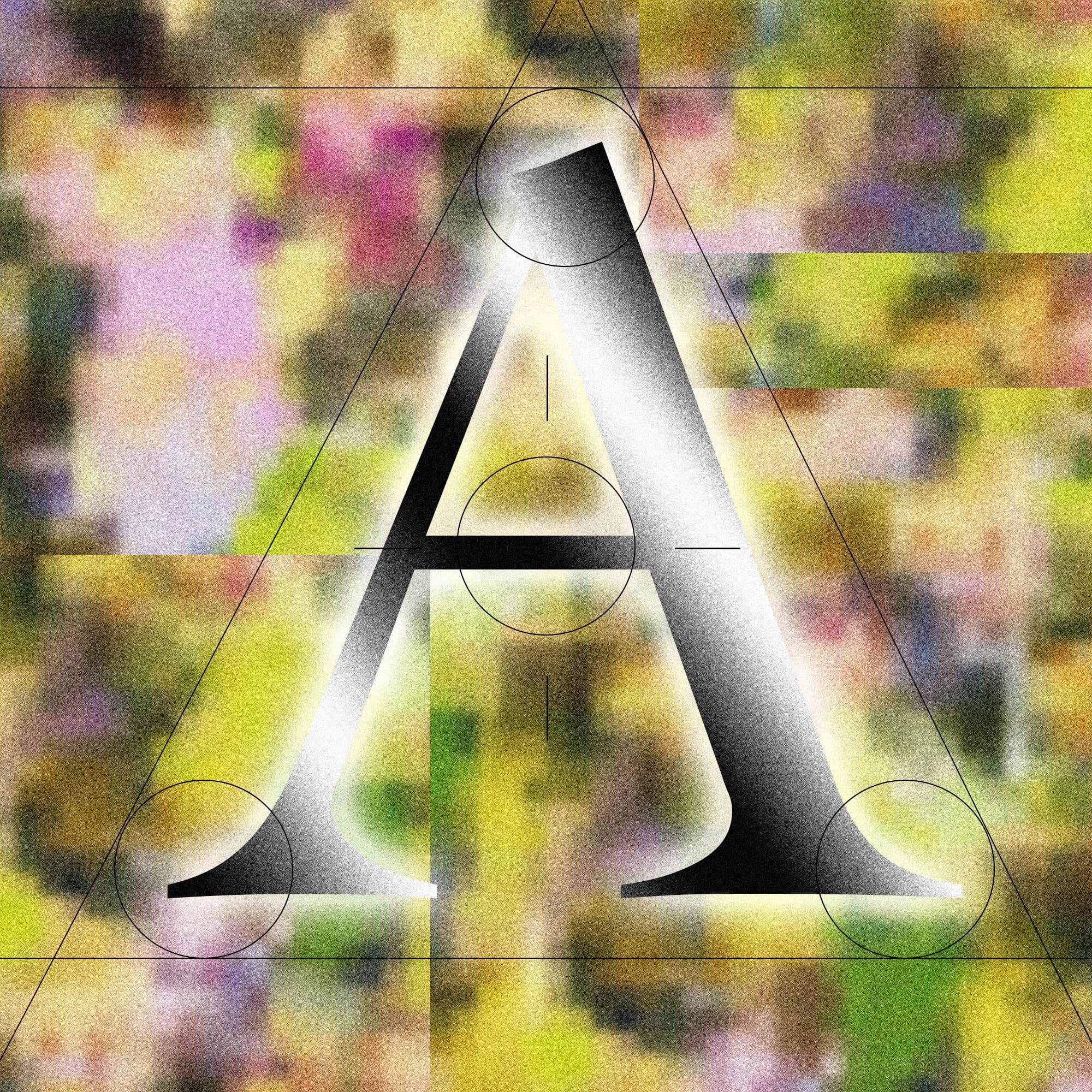
OpenAI, Anthropic and other leading AI companies have quietly shifted from sleek sans-serif fonts to traditional serif typefaces. The change is deliberate. Designers say serifs evoke authority, warmth and a sense of history. In an industry built on cutting-edge technology, these companies want to feel grounded.
The Serif Strategy
OpenAI introduced a custom serif typeface in early 2024. Anthropic followed with its own serif redesign. The pattern is unmistakable.
Branding experts point to a clear motive. AI companies face a trust problem. Surveys show most people are wary of AI systems. Serifs, which date back to Roman inscriptions, carry centuries of association with printed books, newspapers and official documents. They suggest reliability.
“It is a visual shorthand for credibility,” said Sarah Johnson, a brand strategist specializing in tech companies. “These companies are borrowing the authority of print media to soften the image of AI.”
The shift is not limited to logos and websites. Product interfaces, marketing materials and even internal documents now feature serif typefaces.
Critics Call It 'Tasteslop'
Not everyone is impressed. Design critics have coined the term “tasteslop” to describe what they see as a lazy aesthetic trend. They argue that AI companies are mimicking each other rather than creating distinctive visual identities.
“It is a superficial fix,” said Mark Chen, a graphic designer and critic. “Slapping a serif font on a chatbot does not make it trustworthy. It feels like a marketing trick.”
Others point out that serif fonts are harder to read on low-resolution screens and small devices. Many users access AI tools through mobile apps, where clean sans-serif typefaces perform better.
Why This Matters
The typography debate reflects a deeper challenge for the AI industry. Public trust remains low. A 2024 Pew Research survey found that 45 percent of Americans are equally concerned and excited about AI. Only 15 percent are more excited than concerned.
Design choices may seem trivial, but they shape first impressions. A font decision can influence whether a user perceives a product as safe or risky. AI companies recognize that perception is critical to adoption.
The trend also signals a maturing industry. Startups often focus on functionality first and polish later. As AI companies move from experimental tools to mainstream products, they are investing in branding as seriously as any consumer brand.
Expect more AI companies to adopt serif fonts in the coming months. The question is whether it will work. Trust, unlike a typeface, cannot be swapped in a software update.