 Editor: Porcia Akua Holmes
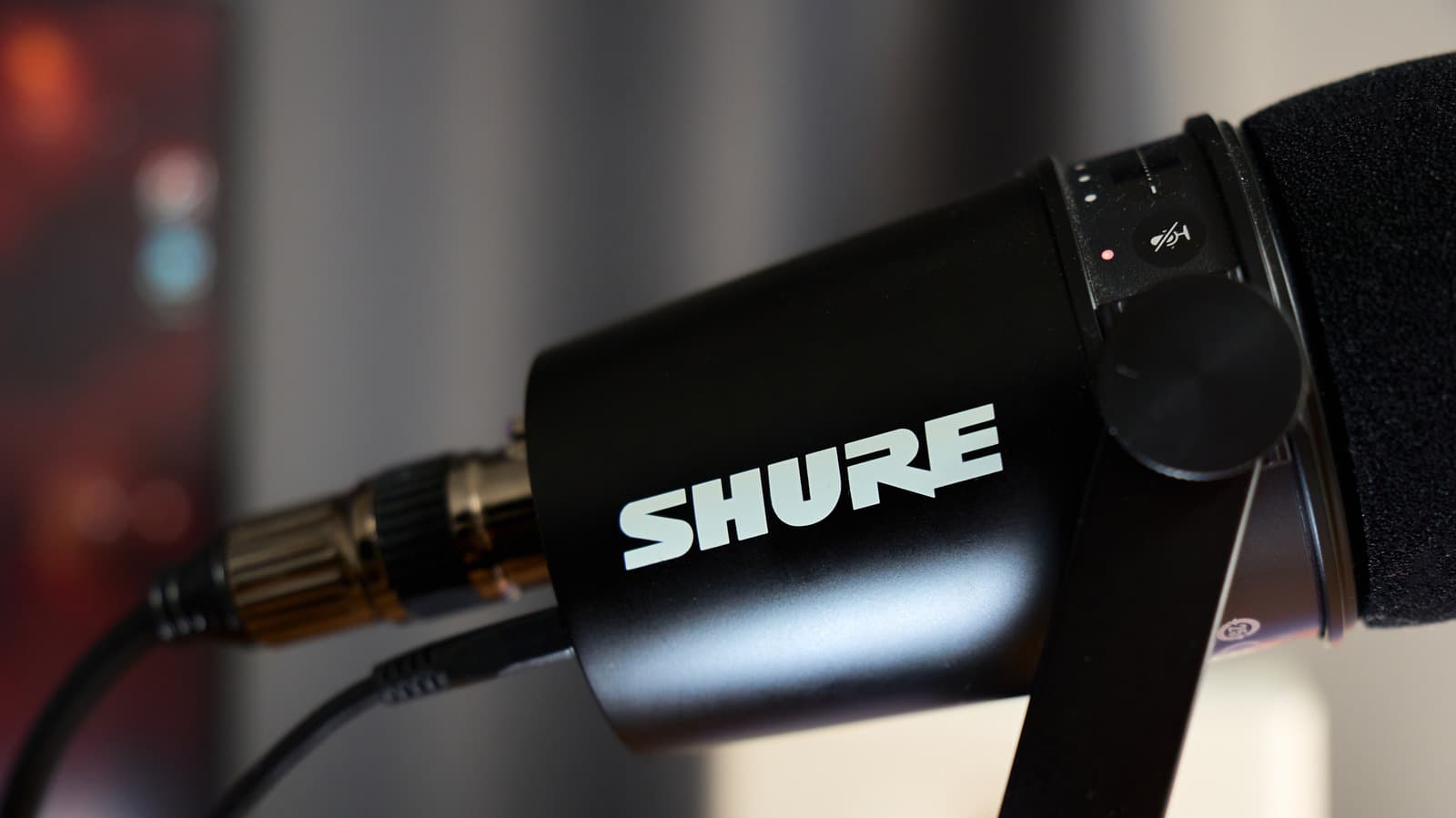
Your laptop's built-in microphone may be quietly undermining how you sound to clients, colleagues and hiring managers. As remote and hybrid work hardens into a permanent arrangement, audio quality has stopped being a hobbyist concern and become a professional one.
The Gap Between Laptop Audio and Dedicated Gear
Laptop makers optimize microphones for size and cost, not for the acoustics of a home office. The result is a signal that captures everything in the room at roughly equal volume, including the hum of a refrigerator or the clatter of a mechanical keyboard.
A dedicated microphone changes that equation by using a larger diaphragm and directional pickup patterns. It focuses on the person speaking and rejects sound arriving from other angles, which is why podcasters and streamers adopted the category years before office workers did.
What Actually Improves
The gains show up in three places that matter for everyday calls. Each one addresses a different failure mode of laptop audio.
None of these features are exotic. They are standard in even mid-range USB microphones, which is part of why the category has grown crowded and competitive.
How Remote Work Turned Audio Into a Signal
Five years of distributed work have trained listeners to read audio quality as a proxy for professionalism. A crackling connection or a muffled voice now carries the same social weight that a wrinkled shirt once did in an office.
That shift has commercial consequences. Recruiters report that candidates with clean audio come across as more prepared, and sales teams treat call clarity as part of the pitch itself. The microphone has quietly become a piece of personal branding.
Hardware makers have noticed. The market has moved from a handful of specialist brands toward a broad field of USB and hybrid models aimed squarely at knowledge workers rather than musicians.
Why This Matters
The upgrade decision now affects a wider group than the podcasters and gamers who drove early adoption. Anyone whose income depends on being understood on a call faces a real cost-benefit calculation, and the answer changes with the job.
For heavy call users, better audio reduces the friction of every meeting and lowers the odds of being misheard at a critical moment. For occasional users, the same purchase may sit unused, which makes the case weaker.
The broader effect is a slow normalization of studio-grade audio in ordinary workplaces. As that baseline rises, poor sound will stand out more sharply than it does today, and the pressure to upgrade will spread to people who never considered it before.
Where the Money Goes and What to Skip
Spending more does not automatically buy better calls. The biggest gains come from the first step up from a laptop mic, not from the top of the price ladder.
Buyers should weigh a few practical factors before committing, since the wrong choice can add clutter without fixing the underlying problem.
The honest conclusion is that a high-end microphone is worth adding for people who live on calls, and optional for everyone else. The category's real value lies in removing a daily source of friction, not in the spec sheet.


