Senior Editor: Alan Agbele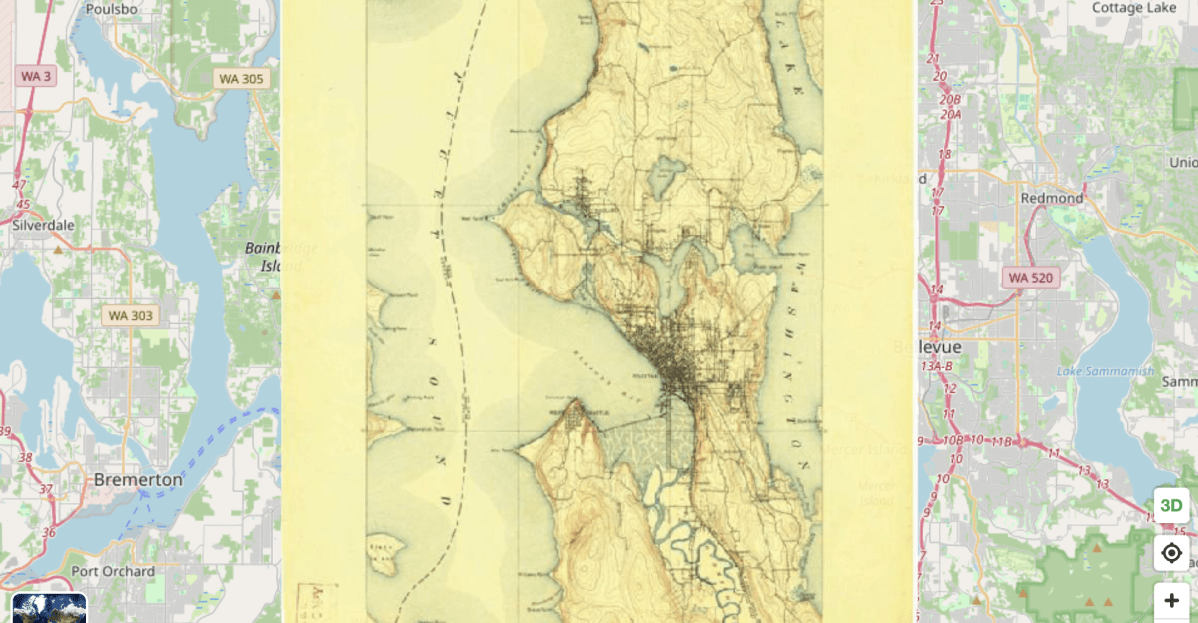
Craig Campbell walked away from the AI boom. He could have started another artificial intelligence company. Instead, he built a website.
Campbell is a former Meta engineer. In 2022, he sold his e-commerce tool for Shopify merchants. Venture capitalists wanted him to start something new. They offered blank checks. He refused.
His bet was on the old school web. He created Past Maps, a site that overlays historical maps on current ones. Users can explore how cities looked decades ago. The project flies in the face of the Google Zero trend, where search traffic has dried up for many sites.
Why This Matters
Campbell's success challenges the narrative that only AI startups can win today. His choice shows that simple, useful web products still have value. For entrepreneurs, it is a reminder that investor hype does not always point to the best opportunity. Real demand exists for tools that serve a clear purpose, even without a chatbot or machine learning model.
Past Maps has grown steadily. Campbell did not need millions in funding to launch it. He relied on his own savings and a clear vision. The site now attracts paying subscribers who want access to detailed historical map overlays.
An Unconventional Path
Campbell worked at Meta during its early growth years. He saw the rise of social media and the shift to mobile. After selling his last company, he had the freedom to choose any direction. VCs pushed him toward AI. He chose maps.
The idea came from a personal interest. Campbell loved looking at old maps of Seattle and comparing them to the modern city. He built a tool that made that comparison easy. Friends and family liked it. He decided to turn it into a public website.
He did not hire a large team. He did not raise a funding round. He coded the site himself and launched it quietly. Traffic grew through word of mouth and social media posts. People shared comparisons of their own cities.
Lessons From the Old School Web
Campbell's approach stands apart from the dominant Silicon Valley playbook. Many startups chase scale at all costs. They raise huge rounds and spend on user acquisition. Past Maps grew organically. It charges a modest subscription fee. It has a clear revenue model and a loyal user base.
The site also avoids the pitfalls of dependence on Google search. Campbell built direct traffic channels. He posts regularly on social media and engages with users. The site is not trying to rank for generic keywords. It serves a niche audience that finds it through recommendation.
Campbell is not anti AI. He uses machine learning tools for image processing. But he does not believe every product needs an AI wrapper. He thinks the web still works for projects that solve real problems.
His bet on the old school web is paying off. Past Maps is profitable. It has no investors to answer to. Campbell controls his own schedule and roadmap. He believes other founders should consider similar paths.