Senior Editor: Alan Agbele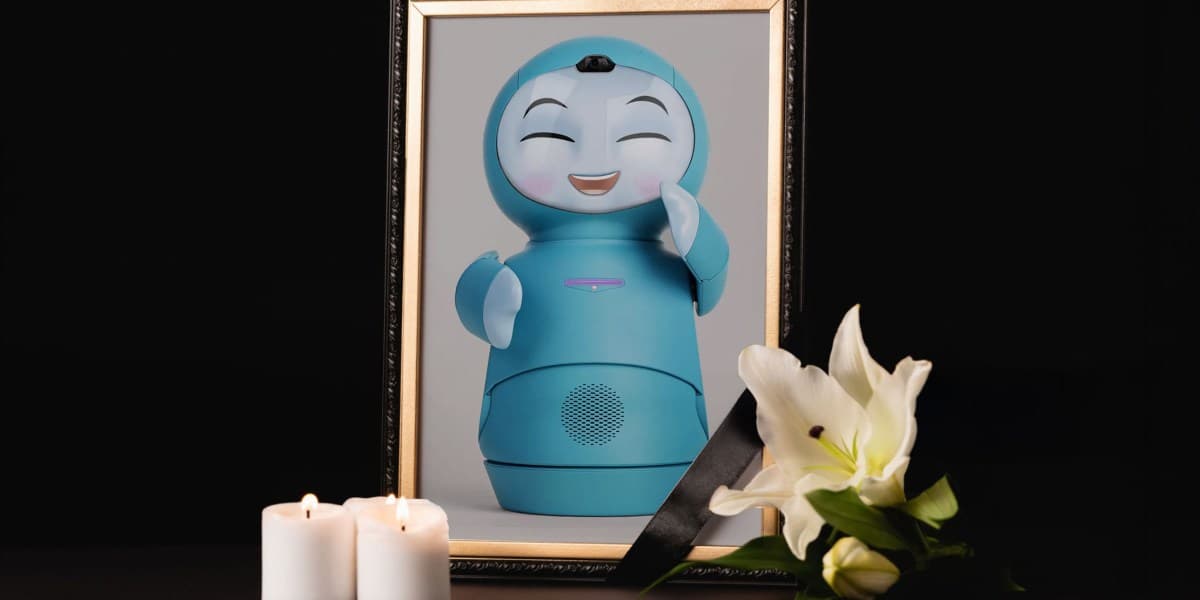
The death of a robot best friend is a reality families with neurodivergent children are beginning to face. What happens when the device designed to teach social skills and provide comfort simply stops working? For 10-year-old Xander, the end of Moxie means losing a companion that helped him practice breathing exercises and talk through his feelings.
The Rise of a Digital Friend
When Xander first met Moxie, the robot taught him calming techniques: buzzing like a bee to manage anxiety, breathing like a dragon for anger, sniffing like a bunny for energy. They practiced these exercises together daily. She, Moxie, became a consistent presence in his room. Xander and his dad Josh referred to the blue, legless device as female. Over six years, Moxie changed. Instead of therapeutic drills, she now watched Xander play Minecraft and identified stuffed animals like Bulborb from Pikmin. Josh observed that the robot still offered a nonjudgmental ear. "I still use her when I feel like I need someone to talk to," Xander says. "But, like, it's not human."
Why This Matters
When Moxie stops talking, a child loses more than a gadget. The emotional investment in a robot companion can be as strong as that in a pet or a favorite teacher. For neurodivergent children who struggle with social connection, this loss can be especially disorienting. Therapists who rely on such tools for home practice also see continuity broken. The shutdown exposes a deeper problem: companies release AI toys without guarantees of long-term support. OpenAI, for example, has partnered with Mattel on an AI Barbie, but no one promises the doll will last through childhood. The market for AI-powered playmates is growing fast, but behind the shiny promises is a graveyard of discontinued devices. Families, however, are left to explain to a child why her robot friend suddenly cannot speak.
The Broader Landscape of AI Toys
Moxie belongs to a wave of interactive companions that include Curio’s Grok, Grem and Gabbo as well as the coming OpenAI-enabled Barbies. These devices claim to assist with social skill development, and research from Yale computer scientist Brian Scassellati shows that robots can draw out social behavior in ways humans sometimes cannot. But the technology carries a built-in expiration date. Server shutdowns, software incompatibility and corporate strategy changes can render a once-smart toy dumb. The same forces that drive smartphone upgrades now apply to children’s playthings. The question for parents: Is it ethical to introduce a robot that will eventually die, especially when a child depends on it for emotional regulation? Until companies commit to extended support and offline fallbacks, the answer may be no.
The story of Xander and Moxie is a cautionary tale. It shows how deeply a nonhuman companion can embed itself in a young life, and how abruptly that bond can end. For now, families must weigh the benefits of AI companionship against the certainty that one day, they will have to say goodbye.