Senior Editor: Alan Agbele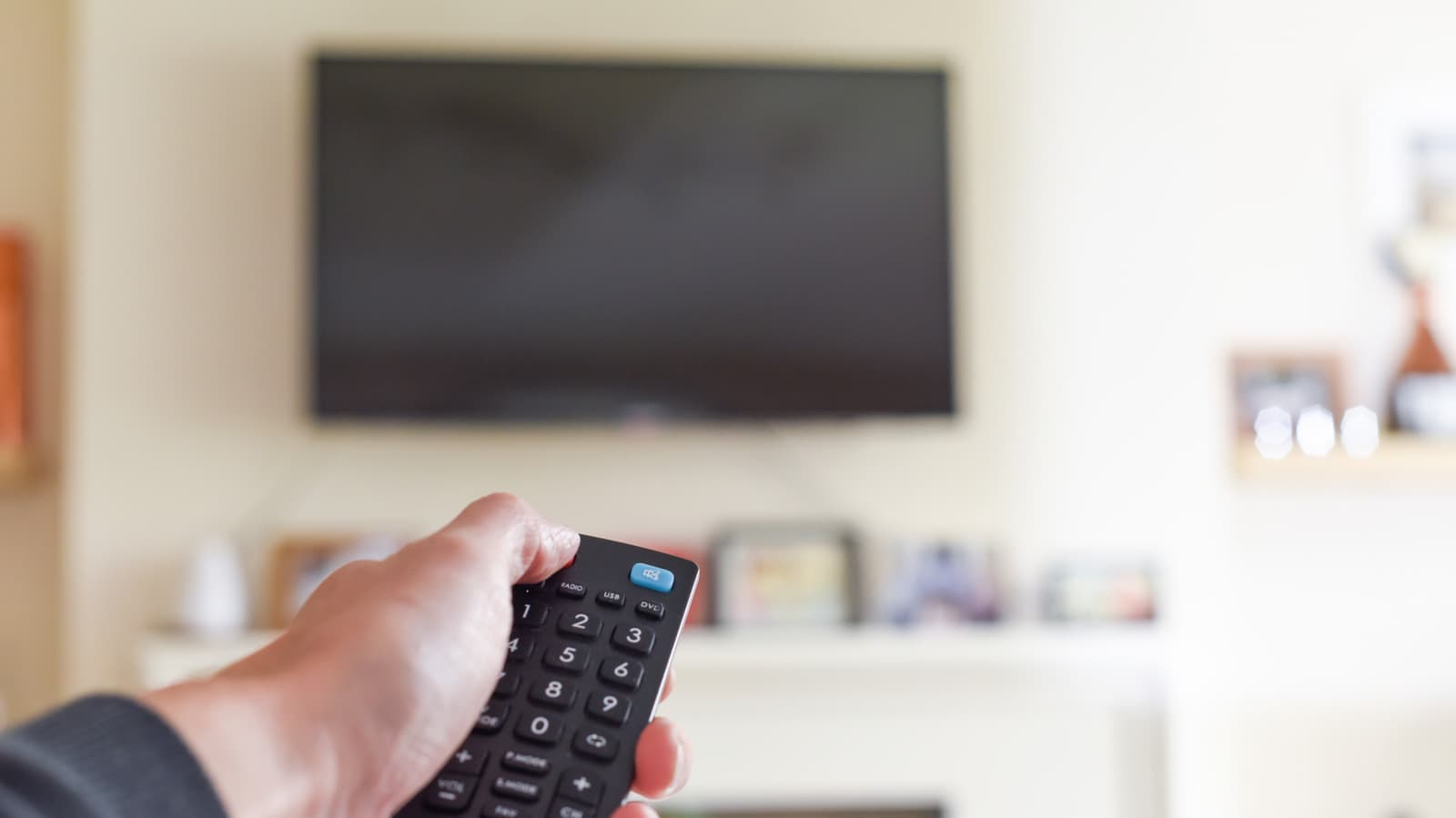
A Smart TV does not stop working when you press the power button. It enters standby mode, where it continues to perform essential tasks that many owners never notice. Understanding what happens during standby can help you decide whether to unplug your TV or leave it connected.
The Hidden Work of Standby Mode
When you turn off a smart TV with the remote, the screen goes dark but the internal electronics stay powered. This allows the TV to perform several functions that would be inconvenient if they required a full boot each time. A Smart TV, for example, checks for and installs firmware updates overnight so that you do not experience interruptions during viewing.
Energy and Environmental Implications
The convenience of standby comes with a trade-off. A typical smart TV consumes between 1 and 10 watts in standby mode, depending on features such as voice listening and Wi-Fi radio. Over a year, that can add roughly 10 to 30 kilowatt-hours to your electricity bill. In homes with multiple smart TVs and other devices, standby power can account for up to 10 percent of total household energy use. Regulators in some regions now require new TVs to meet stricter standby consumption limits, pushing manufacturers to design more efficient circuits.
Why This Matters
For most households, the standby energy cost of a single smart TV is modest. However, the cumulative effect across millions of devices is significant. As more homes adopt multiple smart TVs and streaming devices, the aggregate standby load grows. Consumers who want to minimize energy waste can unplug their TV when it will not be used for extended periods, though they will lose the convenience of quick wake and automatic updates. This tension between user experience and energy efficiency is a growing concern for both regulators and environmental advocates.
When Standby Might Not Be Worth It
If you rarely use smart features such as voice commands or automatic updates, or if you have a secondary TV in a guest room, standby mode offers little benefit. In those cases, a power strip with a switch lets you cut power completely. Some newer smart TVs include an energy-saving mode that disables background activities while still allowing quick power-on. Checking your TV’s settings can reveal options to reduce standby consumption without losing all convenience.