Senior Editor: Alan Agbele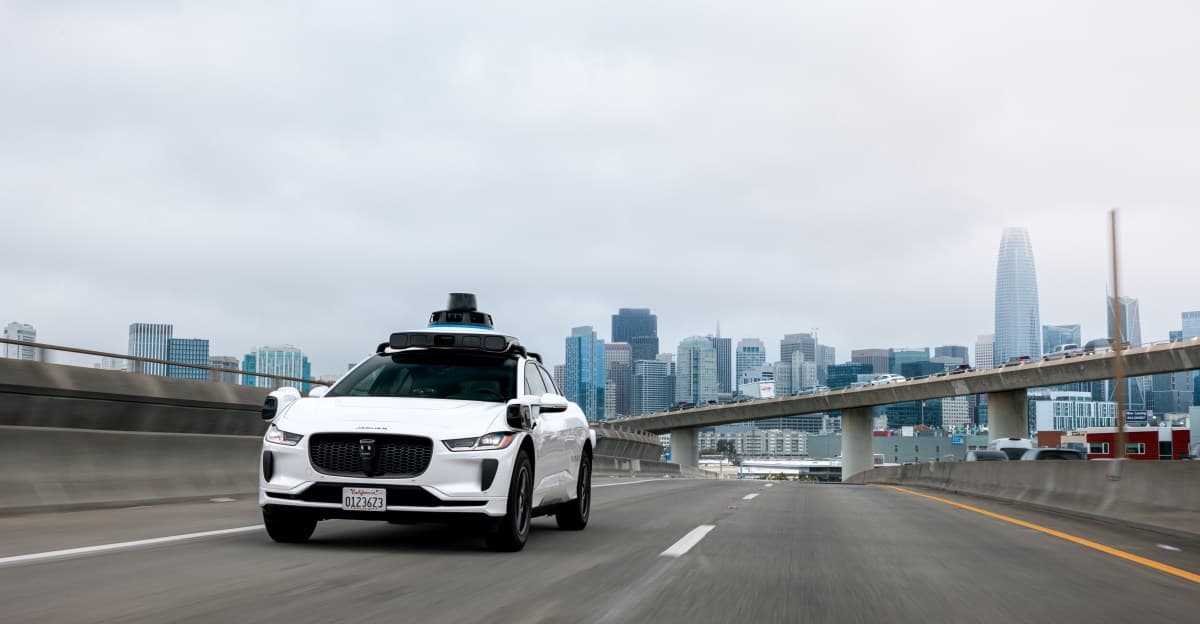
Waymo has stopped its autonomous vehicles from driving on highways across the United States. The move marks a major operational retreat for the Alphabet-owned robotaxi company.
Customers noticed the change on Thursday. Trips that normally used freeways suddenly routed through local roads, adding significant time. The company later confirmed it had suspended freeway driving in all its US markets because of safety concerns tied to construction zones.
Waymo also paused service in Atlanta and San Antonio. Those cities saw lingering issues with flooded roads. The decision follows a series of incidents where Waymo robotaxis drove through flooded streets at high speeds in Texas. That forced the company to issue a software recall for its entire fleet.
Why This Matters
This suspension directly affects riders who rely on Waymo for faster highway commutes. It also raises questions about the readiness of autonomous vehicle technology in complex environments like construction zones and extreme weather.
The broader industry is watching closely. Waymo has been a leader in self-driving car deployment. Any setback could slow public acceptance and invite stricter regulatory oversight. Competitors like Cruise and Tesla face similar scrutiny over safety records.
Recall and Regulatory Pressure
The flood-related recall was a first for Waymo. It involved a software update to prevent robotaxis from accelerating into water hazards. The National Highway Traffic Safety Administration has been investigating autonomous vehicle incidents more aggressively in recent months.
Waymo did not say when highway service might resume. The company said it would prioritize safety before restoring freeway operations. Riders in cities like San Francisco, Phoenix and Los Angeles must now adapt to longer surface street routes.
The suspension highlights a core challenge for self-driving cars: handling unpredictable road conditions. Construction zones and floodwaters are difficult for even the most advanced AI to navigate safely. Waymo's decision suggests the technology still has limits before it can operate at full scale.