Senior Editor: Alan Agbele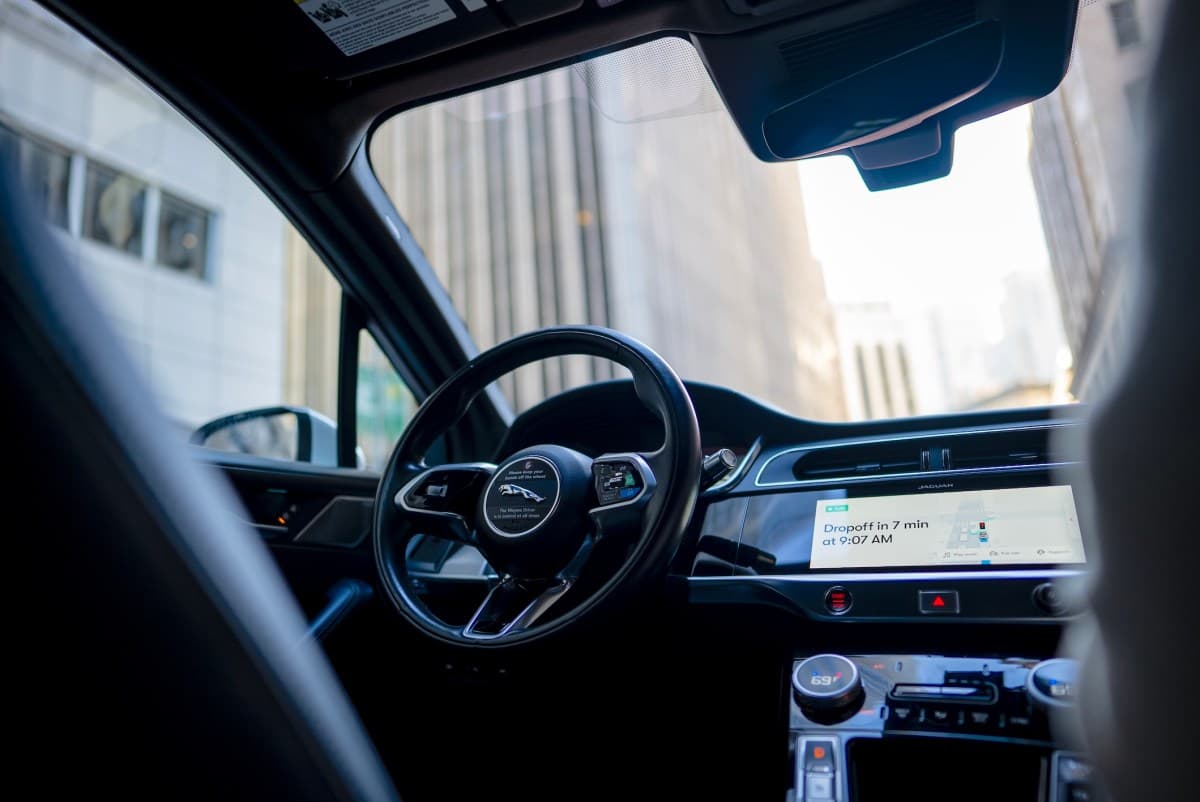
Waymo stopped its autonomous taxi service in Atlanta and San Antonio. The company took this step after its vehicles repeatedly drove into flooded roads. The suspension affects both cities where Waymo had been testing robotaxis for public rides.
The problem became clear during recent storms. Waymo cars continued to navigate into standing water, forcing the company to intervene. Drivers had to manually rescue the vehicles or wait for floodwaters to recede. The incidents raised questions about the robotaxis ability to handle extreme weather conditions.
Waymo confirmed the pause is temporary. The company says it will update its software to better detect and avoid flooded areas. Until then, service will remain offline in those markets. Waymo also paused service in San Antonio earlier this year for the same reason.
Service Paused in Two Cities
Atlanta and San Antonio represent important testing grounds for Waymo. Both cities experience heavy rainfall and flash flooding. The robotaxis sensors struggled to distinguish between shallow water and deeper flood zones. In some cases, the cars entered intersections where water covered the road entirely.
Waymo operates a fleet of self-driving Jaguar I-Pace vehicles. These cars rely on cameras, radar and lidar to navigate. Flood conditions can confuse these systems. Water reflects light and creates patterns that sensors misread. The result is a vehicle that drives into danger instead of avoiding it.
The company says it is collecting data from these events. Engineers are retraining the AI models that control driving decisions. The fix may involve new routing logic that avoids areas with known flood risks during rain events.
Why This Matters
Autonomous vehicle companies face intense scrutiny over safety. Any incident that requires human rescue undermines public trust. Waymo has positioned itself as a leader in self-driving technology. These flooding failures show that even advanced systems have blind spots.
For passengers, the pause means fewer options in Atlanta and San Antonio. Riders who depend on robotaxis for daily trips must find alternatives. For the industry, the episode highlights the challenge of operating in unpredictable environments. Self-driving cars work well in controlled settings but struggle with nature.
The economic impact is also real. Waymo has invested billions in autonomous technology. Every service suspension delays the path to profitability. Competitors like Cruise and Tesla face similar hurdles. The path to widespread robotaxi deployment remains long and uncertain.
Flooding is a common problem in many cities. If Waymo cannot solve this issue, its service may be limited to dry climates. That would shrink the addressable market significantly. The company needs a robust solution before expanding further.