Editor: Porcia Akua Holmes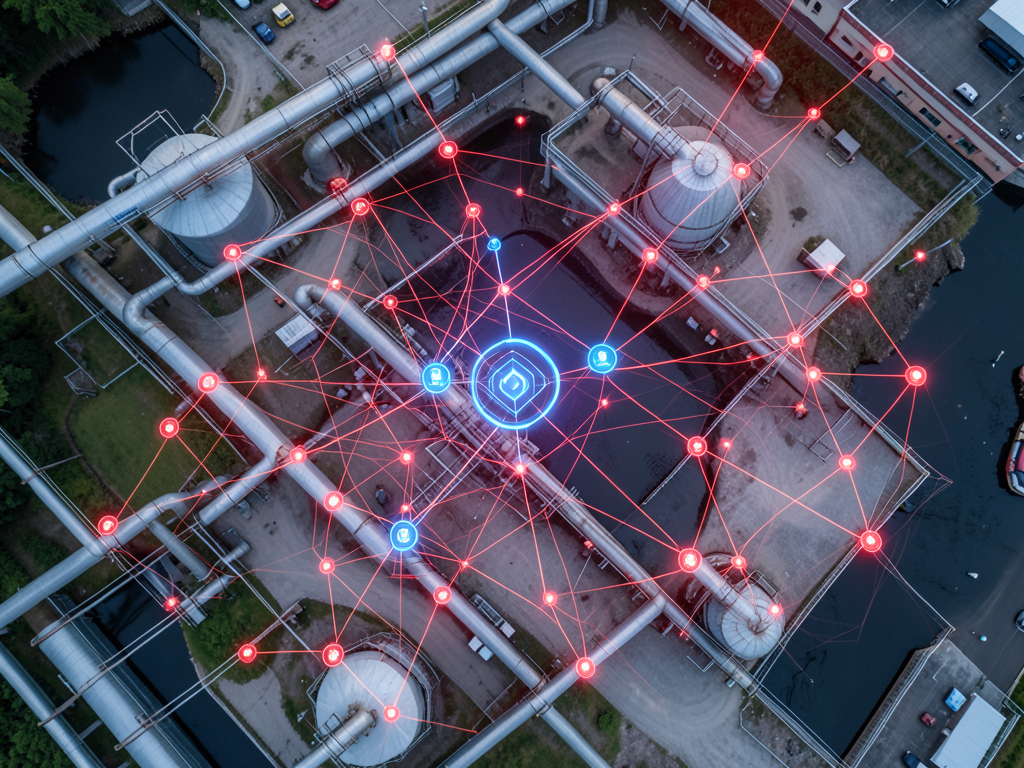
Cybersecurity risks in the water sector are escalating as treatment and distribution systems become increasingly connected. The very technology that enables remote monitoring and efficiency also creates new vulnerabilities in environments never designed for constant exposure to cyber threats. This shift places public health and operational continuity at risk.
The Legacy of Isolated Systems
For decades, water treatment facilities operated with physical and network separation. Pumps, valves and supervisory control systems functioned without external connections. Modernization efforts, however, have gradually bridged that gap. The result is a hybrid environment where legacy equipment coexists with cloud platforms and remote access tools.
This creates a fundamental tension. The original hardware was never engineered to defend against modern cyber threats. Retrofitting security onto these systems is difficult, and many organizations lack the budget or expertise to do so effectively. The consequences of a breach can ripple far beyond the facility itself, affecting water quality and supply for entire communities.
The IT-OT Divide
One of the most persistent challenges is the cultural and technical gap between IT and OT teams. IT focuses on data confidentiality and integrity, while OT prioritizes system availability and safety. These priorities can conflict, especially when a security patch might disrupt a critical process.
Smaller providers often assign cybersecurity duties to operational staff whose primary expertise is managing water treatment, not cyber defense. Larger organizations may have dedicated security teams, but coordination between departments remains a hurdle. Without clear communication and shared protocols, visibility gaps emerge, making it easier for an attacker to move undetected.
Why This Matters
The implications extend beyond the water sector. Critical infrastructure attacks can undermine public trust and trigger cascading failures across interconnected systems. As regulatory scrutiny tightens and cyber insurance requirements become more demanding, water providers must demonstrate active risk management. The cost of inaction is not just financial; it includes the potential for prolonged service outages or health hazards. This reality demands a shift from reactive security to proactive containment strategies.
Moving Toward Intentional Connectivity
A more resilient approach treats connectivity as conditional rather than constant. Not every system needs to be online at all times. By implementing strong network segmentation and access controls that allow connections only when required, organizations can reduce their attack surface significantly.
Real-time isolation capabilities are critical. When a vulnerability is detected, the ability to compartmentalize affected systems limits lateral movement and speeds up response. This approach also provides clear evidence of risk management, which is increasingly valuable for audits and compliance. The water sector must move toward a model where access is intentional, not default.