Senior Editor: Alan Agbele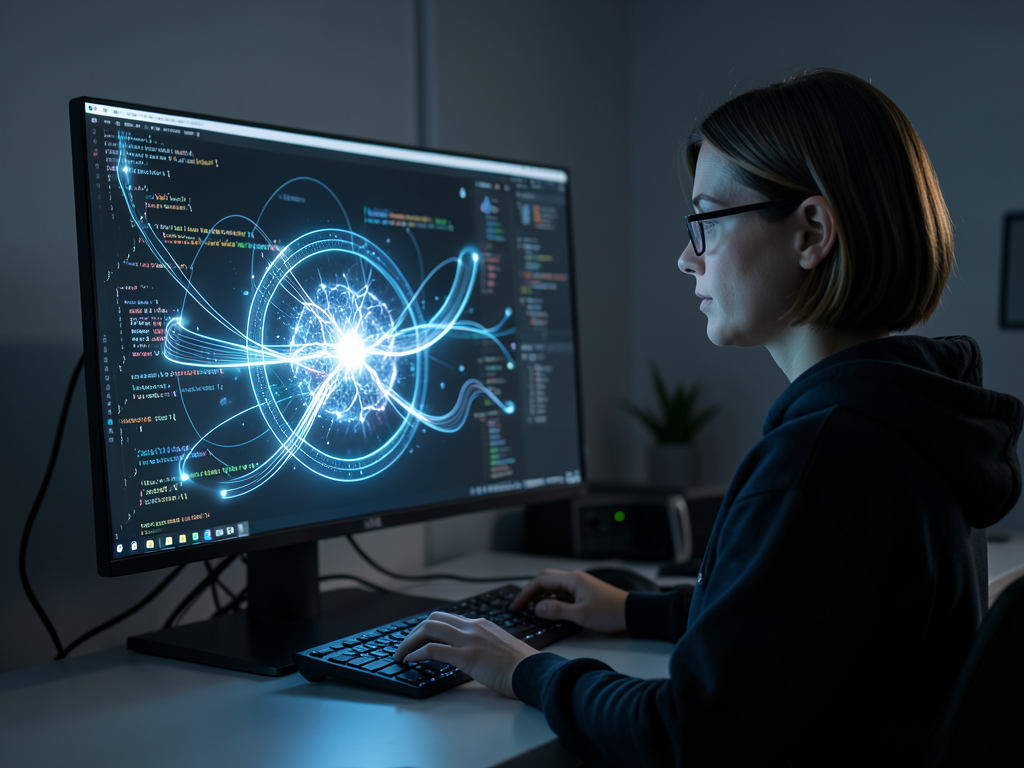
Warp, the developer-focused terminal application, has introduced self-improving AI agents built on Anthropic's Claude model. The new capability allows the AI to autonomously learn from interactions and refine its own behavior over time, marking a significant leap in the integration of AI into development workflows.
How Self-Improving Agents Function Within Warp
The agents operate within Warp's terminal environment, continuously analyzing command history, code output and project structure. Using Claude's reasoning capabilities, they can identify inefficiencies, detect errors and propose improvements without explicit prompts from the developer. The system learns from corrections and preferences, creating a feedback loop that sharpens its performance over time.
Why This Matters
This advancement reduces cognitive load for developers by automating routine tasks. New team members can also benefit from agents that adapt to project conventions quickly. The self-improving nature of these agents introduces risks, however. Autonomous code changes require careful oversight to prevent unintended side effects. Warp has not disclosed specific guardrails, but the potential for agent-driven errors means developers must verify outputs before deployment. Competitors like GitHub Copilot and Cursor offer AI assistance, but Warp's agentic approach pushes the category beyond simple code generation toward continuous improvement.
Broader Implications for Developer Tools
The shift from static AI assistants to self-improving agents signals a broader transformation in developer tooling. Warp's move could pressure terminal and IDE makers to incorporate similar adaptive capabilities. For the industry, this means tools that evolve alongside users. The economic impact is significant: reduced time spent on debugging and setup can lower development costs. Yet the challenge lies in maintaining trust. As agents become more autonomous, the line between helpful suggestion and automated action blurs. Warp's experiment with Claude shows where the market is heading, but the real test will come as these agents encounter complex, real-world codebases.