Senior Editor: Alan Agbele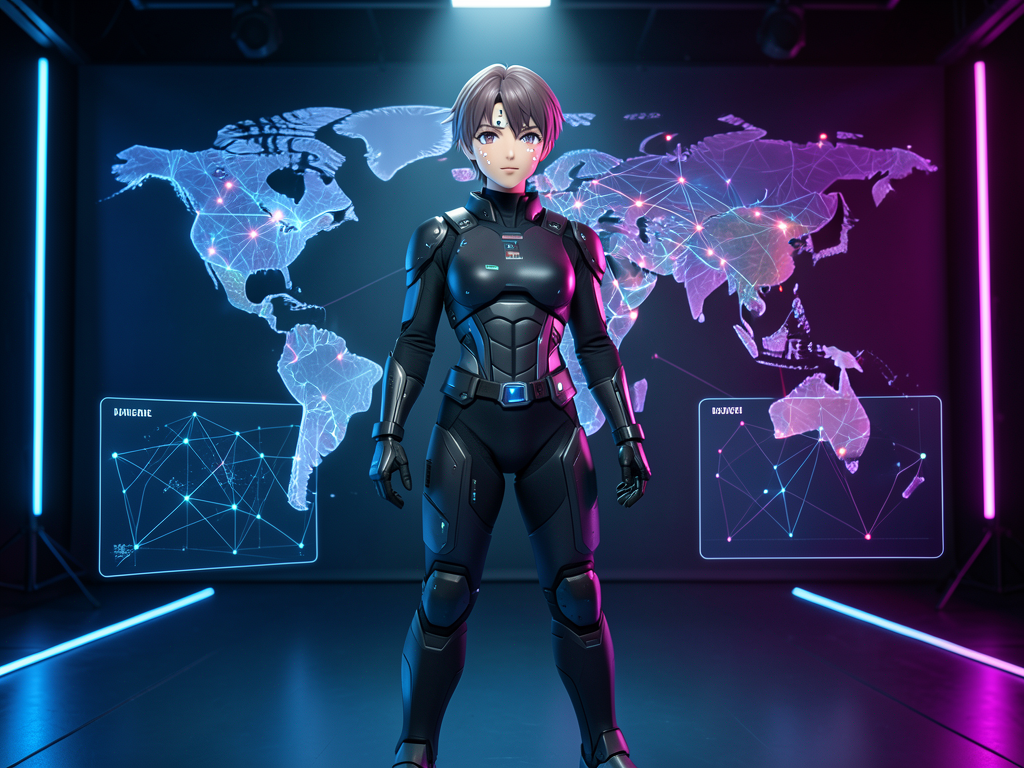
VTubing, the phenomenon of creators using digital avatars to stream and interact with audiences, has exploded beyond its Japanese origins to become a global entertainment force. What began as a niche experiment with Kizuna AI in 2016 has grown into an industry worth billions, with thousands of virtual performers across languages and platforms.
The Rise of Virtual YouTubers
The concept of VTubing emerged from Japan's culture of virtual idols and voice synthesis. Early adopters like Kizuna AI proved that audiences would embrace a completely digital persona. The technology rapidly improved, with real-time face tracking and gesture recognition becoming affordable. Today, anyone with a smartphone and a simple avatar can start streaming, lowering the barrier to entry.
Key factors driving the growth include:
Technology Behind the Avatars
Modern VTubing relies on a stack of technologies: motion capture via webcams or iPhone TrueDepth sensors, real-time rendering engines like Unity or Unreal Engine, and streaming software to composite the avatar over game footage or a webcam feed. The most advanced VTubers use full-body trackers and multiple cameras to create immersive performances.
This technological foundation has made it possible for a Japanese phenomenon to go global. Western streamers, musicians and even corporate brands have adopted VTubing as a way to engage audiences without showing their real faces. The industry has spawned its own conventions, talent agencies and merchandise lines, mirroring the structures of traditional entertainment.
Global Expansion and Industry Impact
The spread of VTubing beyond Japan accelerated during the pandemic, as people sought new forms of online connection. English-language agencies like VShojo and Hololive's EN branch have signed popular talents, while Chinese platforms like Bilibili have produced their own virtual stars. The market is now truly international, with VTubers performing in English, Spanish, Portuguese and many other languages.
This global reach has caught the attention of major brands. Companies such as Coca-Cola, McDonald's and Nike have collaborated with VTubers for sponsored streams and virtual product placements. The technology is also being used in education, customer service and virtual events, proving that the avatar format has applications beyond entertainment.
Why This Matters
VTubing is reshaping how audiences consume live content and how creators build careers. The model offers a viable path for people who want to be performers but value privacy or face barriers related to appearance. For the entertainment industry, virtual talent represents a controllable, scalable asset that can operate 24/7 without the limitations of human schedules. As the technology improves and becomes cheaper, the line between physical and virtual performers will continue to blur, forcing traditional media to adapt or risk irrelevance.
The Japanese phenomenon that started as a quirky internet trend is now a permanent fixture of global digital culture, with implications for content creation, brand marketing and the very nature of online identity.