Senior Editor: Alan Agbele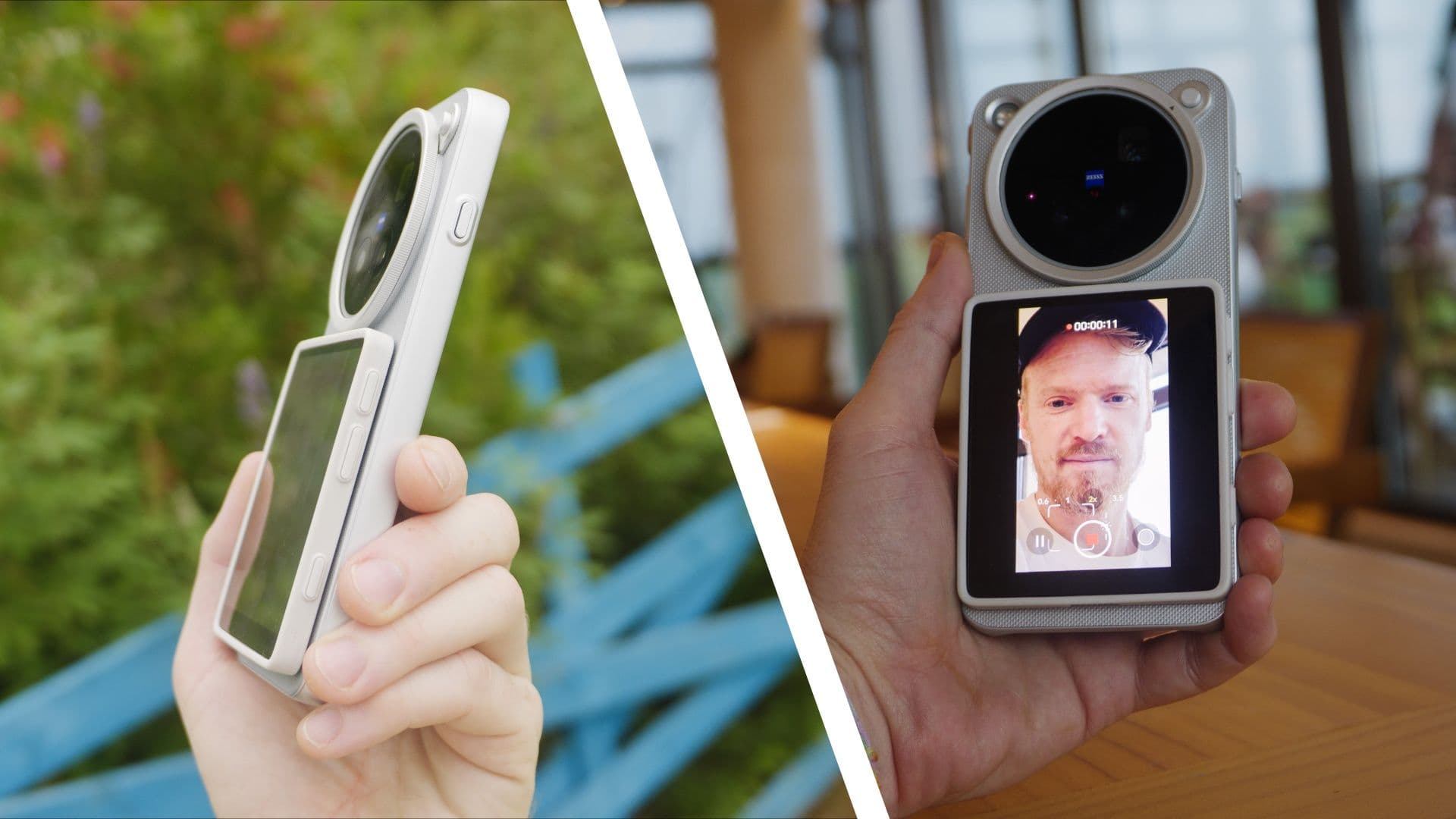
Vivo has introduced a wireless accessory that could change how smartphone users shoot video. Alongside its flagship X500 series, the company unveiled a slim Bluetooth touchscreen that mirrors the phone's camera app and attaches magnetically to the device. The Vivo X500 Pro Max, the top model in the lineup, works with this screen out of the box, and the accessory is also sold separately.
Beyond the Built-In Selfie Camera
Vloggers and social media creators often rely on the front camera for convenience, sacrificing image quality and lens options. The Vivo selfie screen flips that logic. It attaches to the back of the phone or can be held separately, while a Bluetooth connection transmits the live view from the rear cameras. On the X500 Pro Max, that means access to a 50MP main sensor and a 200MP telephoto lens with 3.5x optical zoom. You get full touch control over settings, including exposure, focus and zoom, without a cable.
The screen itself is a 3.92-inch AMOLED panel with 419 pixels per inch. It measures just 5.65mm thick and weighs 68 grams, so it adds minimal bulk. A dedicated magnetic case for the phone holds the screen securely, and the accessory can also be used as a remote monitor within Bluetooth range, making tripod-based solo shoots far easier.
Comparing to Existing Solutions
Vivo is not the first to offer this idea. Insta360's Snap Selfie Screen has been on the market for a while, but it requires a physical cable to connect to a phone and uses a smaller display. The Vivo approach is entirely wireless and more refined. The screen pairs over Bluetooth and uses a magnetic mounting system that feels similar to MagSafe, though it is proprietary to Vivo's new case.
Here are the key differences that set Vivo's design apart:
Competitors like DJI have also added detachable touchscreens to their pocket cameras, but Vivo is applying the concept directly to a smartphone. This could set a new expectation for flagship devices, where the rear camera becomes the default for every type of shot.
Why This Matters
The accessory signals a shift in how flagship phones are used. As camera hardware improves, manufacturers are looking for ways to make those sensors more accessible. A front-facing screen that uses the rear cameras eliminates the compromise between convenience and quality. For solo creators, it removes the need for external monitors or additional gear. Over time, this could influence how other brands design camera modules and magnetic accessory systems. If Vivo succeeds here, expect rivals to follow with their own wireless screens, possibly integrating with cross-platform standards like MagSafe for broader compatibility.
What's Next for Vivo
For now, the X500 series and the selfie screen are exclusive to China. Vivo has not announced a global release schedule, but the accessory's potential reaches far beyond a single market. If the screen works with other Android phones via the Vivo app, it could become a universal tool. The company's investment in this accessory demonstrates a clear direction: phones are becoming modular platforms where add-ons unlock new capabilities. That is a trend worth watching as 2026 unfolds.