Editor: Porcia Akua Holmes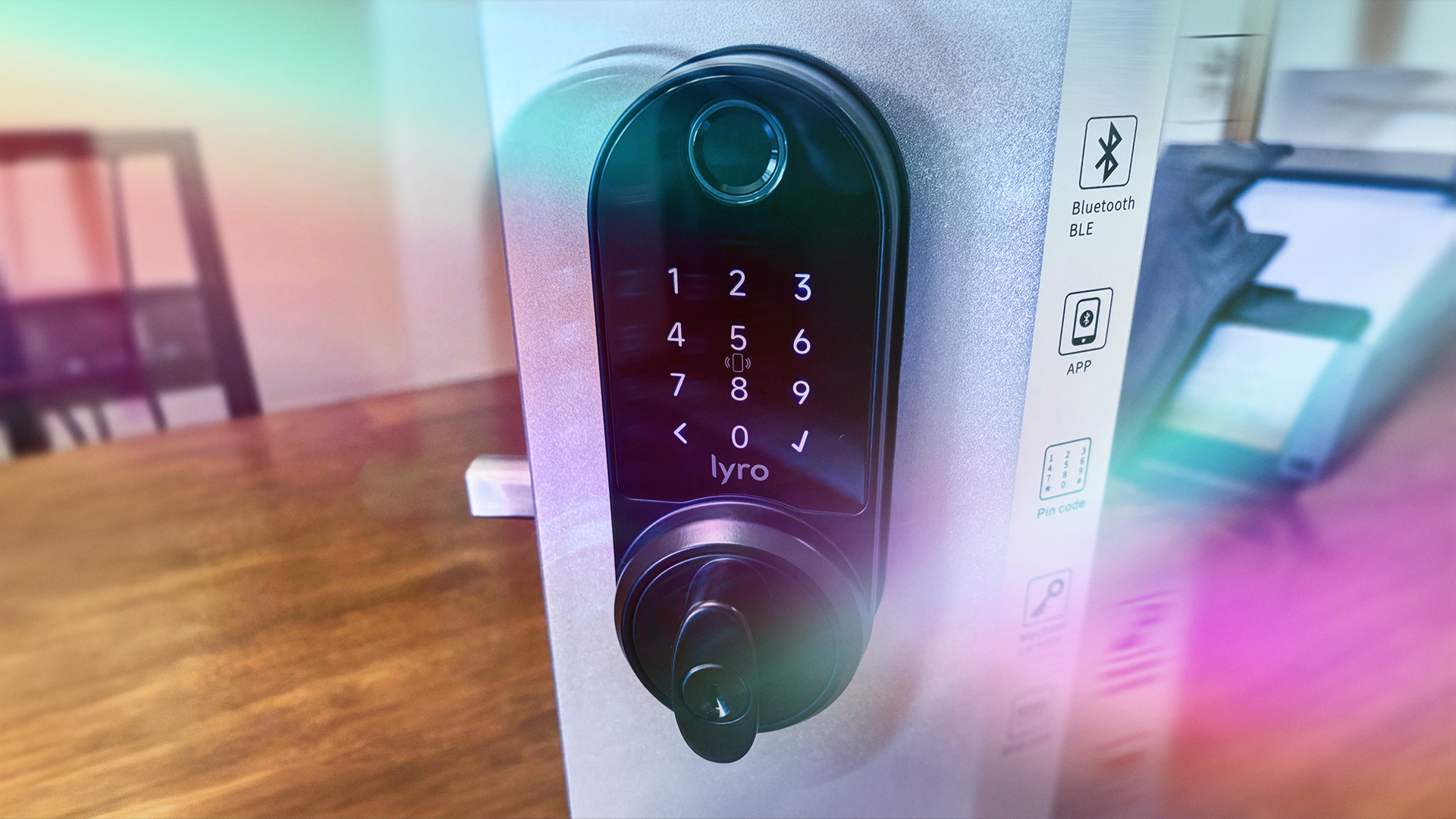
A simulated vacation rental scenario has put a new class of smart locks under scrutiny, balancing guest convenience against property security. The evaluation, conducted under the experiment name 'I Pretended to Be on Vacation,' involved a journalist impersonating a short-term renter to test the 'Ready Smart Lock' from a campaign called 'Test This Rental.' The results suggest that while these locks simplify remote access, they may also introduce vulnerabilities unfamiliar to traditional key systems.
How the Experiment Unfolded
During the 'I Pretended to Be on Vacation' test, the journalist acted as a guest booking a property equipped with the 'Ready Smart Lock.' The lock, promoted under the 'Test This Rental' initiative, offered keyless entry through a mobile app and temporary codes. The tester evaluated ease of use, reliability, and security from both a host and guest perspective.
Key observations from the test included:
Why This Matters
The short-term rental market has grown rapidly, with platforms like Airbnb and Vrbo driving demand for smart locks that eliminate key handoffs. However, security failures in these systems can erode trust. A compromised code could allow unauthorized access to multiple future guests, while a locked-out guest may face delays or safety issues. Property owners must weigh these risks against the operational benefits.
The broader implication is that rental-ready smart locks are still an emerging category. Standards for code expiration, encryption, and audit trails vary widely. Regulators and platform policies may need to catch up to ensure consistent protection.
Considerations for Rental Hosts
Hosts evaluating smart locks should look for models that offer granular code management, automatic expiration, and battery monitoring. The 'Ready Smart Lock' performed well in ease of use but its security features depend on how hosts configure them. The 'Test This Rental' campaign highlights that no lock is foolproof; education and proper setup are essential.
Before installing a rental-ready smart lock, hosts should also consider guest communication about backup entry methods and emergency procedures. As the experiment showed, a dead battery or forgotten code can turn a smooth vacation into a problem if not addressed in advance.