Senior Editor: Alan Agbele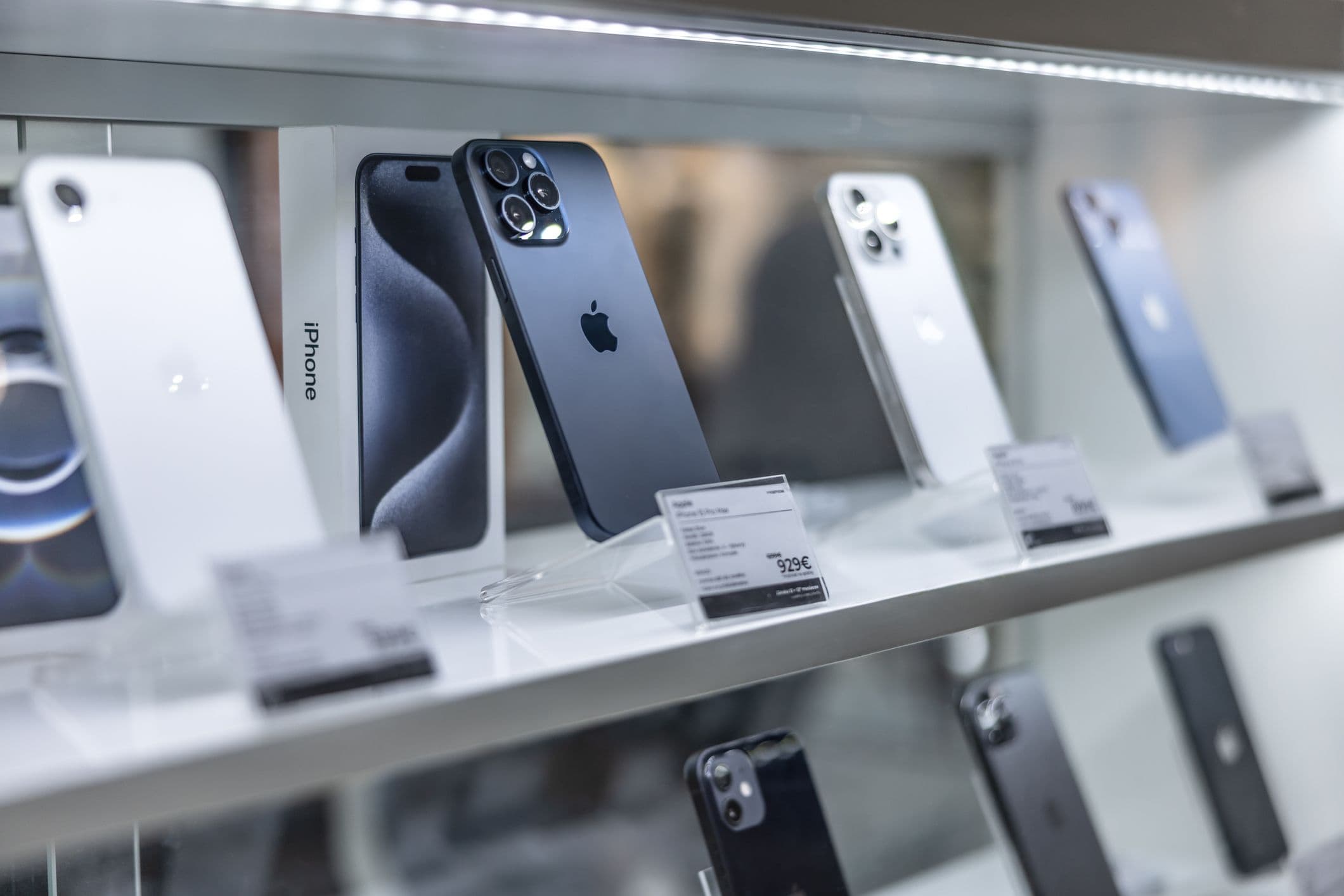
Apple's recent price increases on new iPhones are reshaping how consumers approach smartphone upgrades. Instead of paying premium prices for the latest model, a growing number of buyers are turning to the used and refurbished market. This shift is driven by a simple calculus: used iPhones now offer better value than ever before.
The Price Push
Apple has raised prices across its iPhone lineup in several markets. The move comes amid rising component costs and a stronger dollar. For many consumers, the price gap between a new iPhone and a one or two year old used model has widened substantially. A used iPhone 14 Pro, for example, can now cost hundreds of dollars less than the newest flagship while still delivering top tier performance.
This price pressure is not limited to Apple. The entire smartphone industry faces higher costs. But Apple's premium pricing makes its devices especially sensitive to economic swings. When new models become more expensive, the relative value of used ones rises sharply.
Longevity Changes the Equation
One reason used iPhones have become more attractive is Apple's long software support cycle. Apple provides iOS updates for five to six years after a phone's release, sometimes longer. That means a three year old iPhone can still run the latest apps and receive security patches. Android devices from other manufacturers rarely match that lifespan.
This longevity reduces the risk of buying used. A buyer who picks up a refurbished iPhone 13 today can expect several more years of software support. In contrast, a used Android phone from the same period may already be obsolete. Apple's control over both hardware and software ensures a consistent experience across older models.
The Refurbished Advantage
The used iPhone market has matured. Third party refurbishers now offer certified devices with new batteries, replacement screens and warranties. Apple itself sells certified refurbished iPhones directly, backing them with the same one year warranty as new units. This reduces the uncertainty that once plagued second hand electronics purchases.
Many refurbished iPhones are indistinguishable from new units in daily use. They receive the same iOS updates and access the same App Store. For price conscious consumers, the trade off is minor: a slightly older design or a less advanced camera system. In exchange, they save a significant amount of money.
Why This Matters
This trend has real consequences for both consumers and the industry. Shoppers can now buy a high quality smartphone for a fraction of the retail price. The savings can be hundreds of dollars, enough to offset other expenses or fund accessories like AirPods or cases.
For Apple, a thriving used market may actually strengthen brand loyalty. Users who buy a used iPhone today are likely to stay within the Apple ecosystem for future upgrades. The low entry cost removes a barrier for new adopters. Meanwhile, the environmental benefit is clear: extending a phone's life reduces electronic waste and lowers carbon emissions associated with manufacturing new devices.
The used iPhone boom also pressures carriers and retailers. Trade in programs and installment plans now compete directly with the second hand market. Some carriers have begun offering more aggressive trade in values to keep customers locked into new device cycles. But for many shoppers, a used iPhone remains the smartest financial choice.