 Senior Editor: Alan Agbele
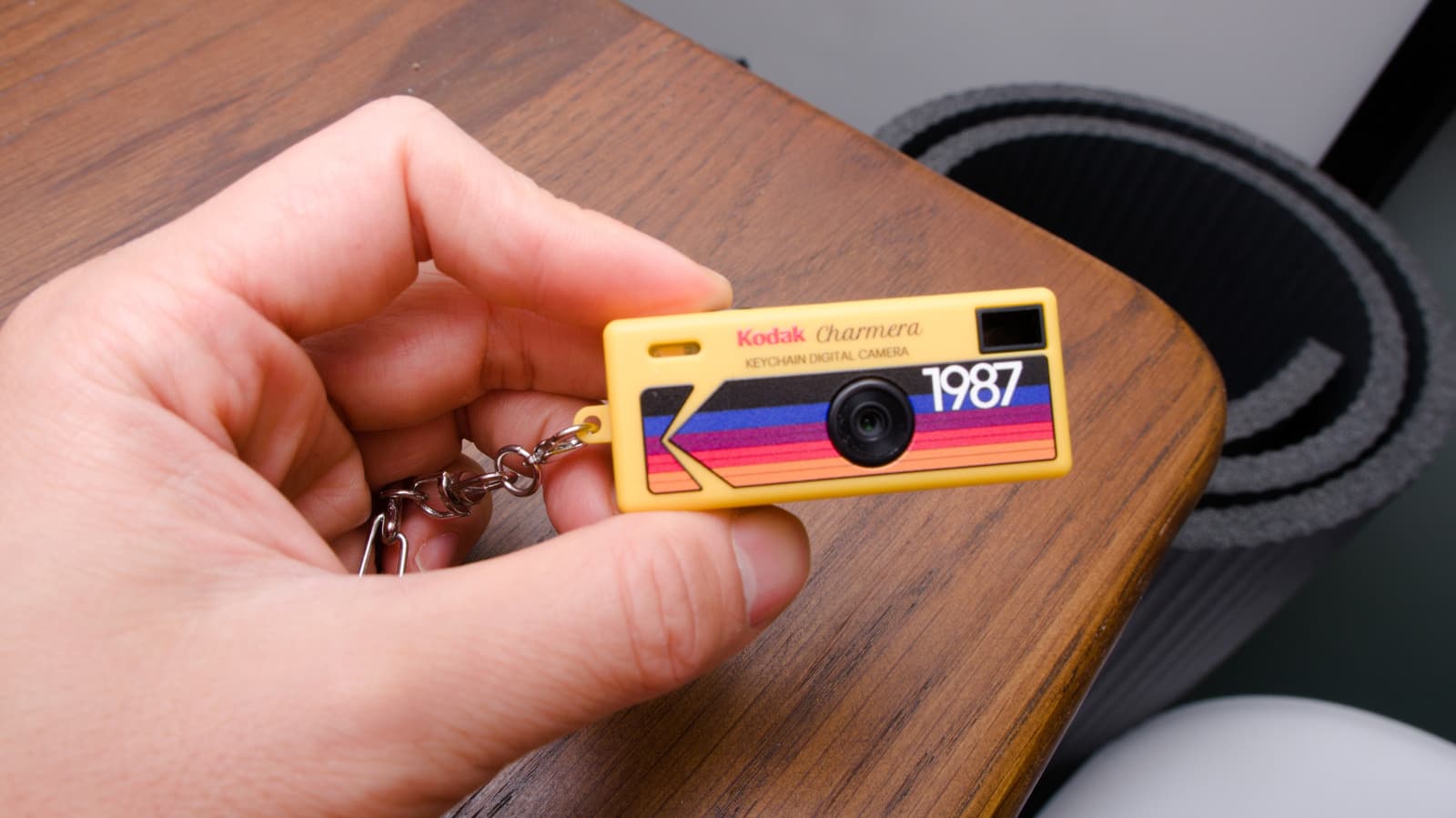
USB-C has quietly become the default charging standard for a new wave of keychain gadgets, turning a category once dominated by disposable coin-cell batteries into a legitimate everyday carry segment. The shift matters because it removes the single biggest friction point that kept these devices in drawers: dead batteries with no easy replacement.
Why USB-C Became the Tipping Point
For years, keychain gadgets were limited by battery chemistry. Coin cells and tiny lithium packs offered limited capacity and often required proprietary chargers or screwdriver access to replace. USB-C changed the economics of the category by making charging universal.
A single cable now serves a phone, a laptop and a keychain flashlight. That convenience reduces the mental overhead of owning multiple small devices. It also lowers manufacturing costs because brands no longer need to bundle a charger or design a custom port.
The European Union's common charger rules have accelerated this shift across consumer electronics. Keychain gadgets are a small but visible beneficiary of that regulatory push toward a single port standard.
What These Gadgets Actually Do
The current generation of USB-C keychain gadgets covers a narrow but useful set of functions. Most are designed for emergencies, travel or quick tasks where reaching for a phone is impractical.
Each of these categories existed before USB-C. The difference now is that they can share a charging ecosystem with the rest of a user's devices. That interoperability is what turns a novelty into a habit.
The Everyday Carry Market Is Consolidating
Everyday carry, or EDC, has grown from a niche hobby into a mainstream consumer category. Reddit communities, YouTube reviewers and specialty brands have turned pocket-sized tools into a recognizable market segment.
USB-C is accelerating that consolidation. When every gadget uses the same port, buyers can mix brands without worrying about compatibility. That favors established brands with strong design and distribution over no-name alternatives that compete only on price.
Retailers, meanwhile, benefit from simpler inventory. A single charging cable SKU can support an entire shelf of keychain products, which reduces returns and support calls.
Why This Matters
The practical impact lands on anyone who carries a keyring. A rechargeable USB-C gadget means one less device to replace, one less battery to hunt down and one less cable to pack. For frequent travelers, that is a meaningful reduction in clutter.
Brands that fail to adopt USB-C risk being sidelined as consumers standardize their own kits. The companies that win will be those that treat charging compatibility as a baseline feature rather than a premium upsell.
The broader signal is that USB-C is no longer just a phone and laptop standard. It is becoming the default power interface for small electronics, and keychain gadgets are simply the latest category to fall in line.


