Senior Editor: Alan Agbele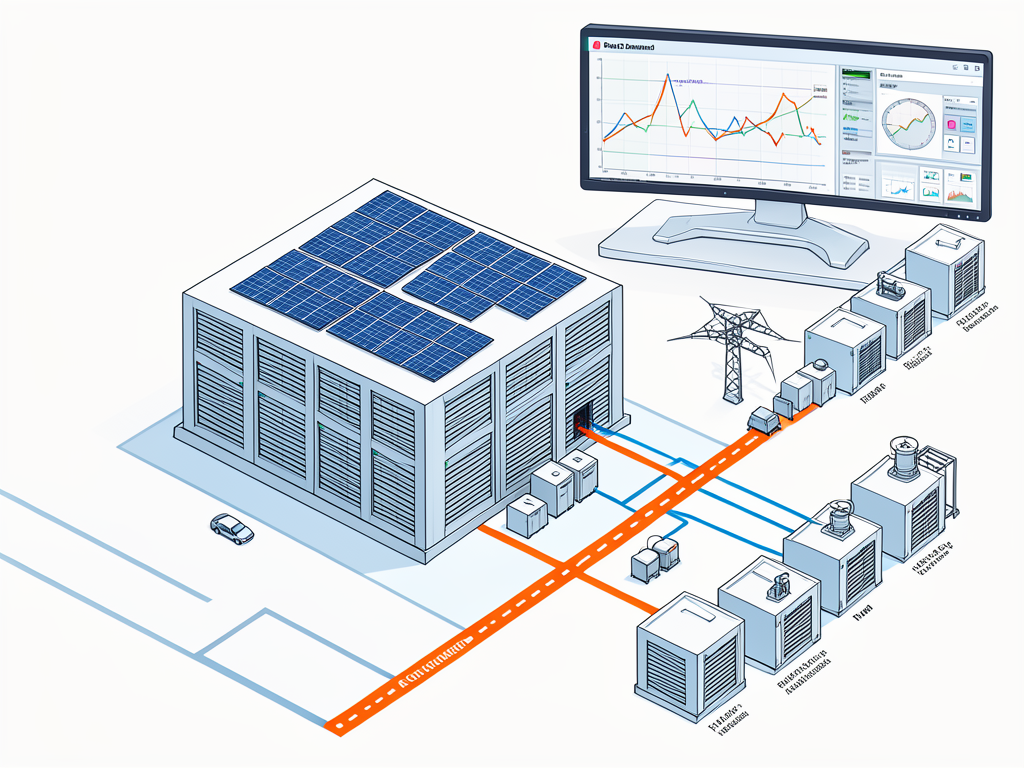
The Federal Energy Regulatory Commission is taking direct aim at the growing strain artificial intelligence data centers place on the nation's power grids. In a new order, FERC will require grid operators to fast-track interconnection applications from AI facilities that either generate their own electricity or agree to reduce consumption during periods of high demand.
New Rules for Grid Access
FERC's directive targets a bottleneck that has slowed the deployment of large-scale AI computing infrastructure. Data centers require enormous amounts of electricity, often equivalent to small cities, and connecting them to the grid can take years due to transmission capacity limits and regulatory reviews.
The commission's order demands that regional transmission organizations and independent system operators implement these changes within 90 days. Facilities that bring their own power sources such as on-site solar, battery storage or natural gas generation will receive priority processing. Those willing to sign agreements to curtail operations during grid emergencies also qualify for expedited review.
Why This Matters
The ruling directly affects technology companies racing to build AI infrastructure, utilities struggling with surging demand and consumers who ultimately pay for grid upgrades. Without these measures, data center growth could overwhelm aging electrical systems and delay broader electrification goals. The policy creates a clear incentive: companies can accelerate their projects by investing in self-generation or flexible operations rather than relying solely on utility-supplied power.
Industry Implications
The order signals a shift in how regulators view the relationship between computing growth and energy infrastructure. Rather than simply approving more connections, FERC is pushing data center operators to internalize some of the costs they impose on the grid.
This approach could reshape where and how AI companies build facilities. Locations with available land for solar arrays or access to natural gas pipelines may become more attractive than sites near existing substations with limited capacity. The policy also favors hyperscale operators with capital for dedicated power plants over smaller firms leasing space in colocation centers.
Timeline Pressure
The 90-day implementation deadline is unusually aggressive for federal regulatory action. Grid operators must now develop new tariff provisions and application procedures quickly while balancing reliability concerns against development speed. Failure to comply could result in enforcement actions from FERC.
The commission's move reflects growing urgency as electricity demand from data centers is projected to double by 2030 according to industry estimates. Without faster interconnection pathways, analysts warn that AI expansion could face significant physical constraints beyond just chip availability or software capability.