Editor: Porcia Akua Holmes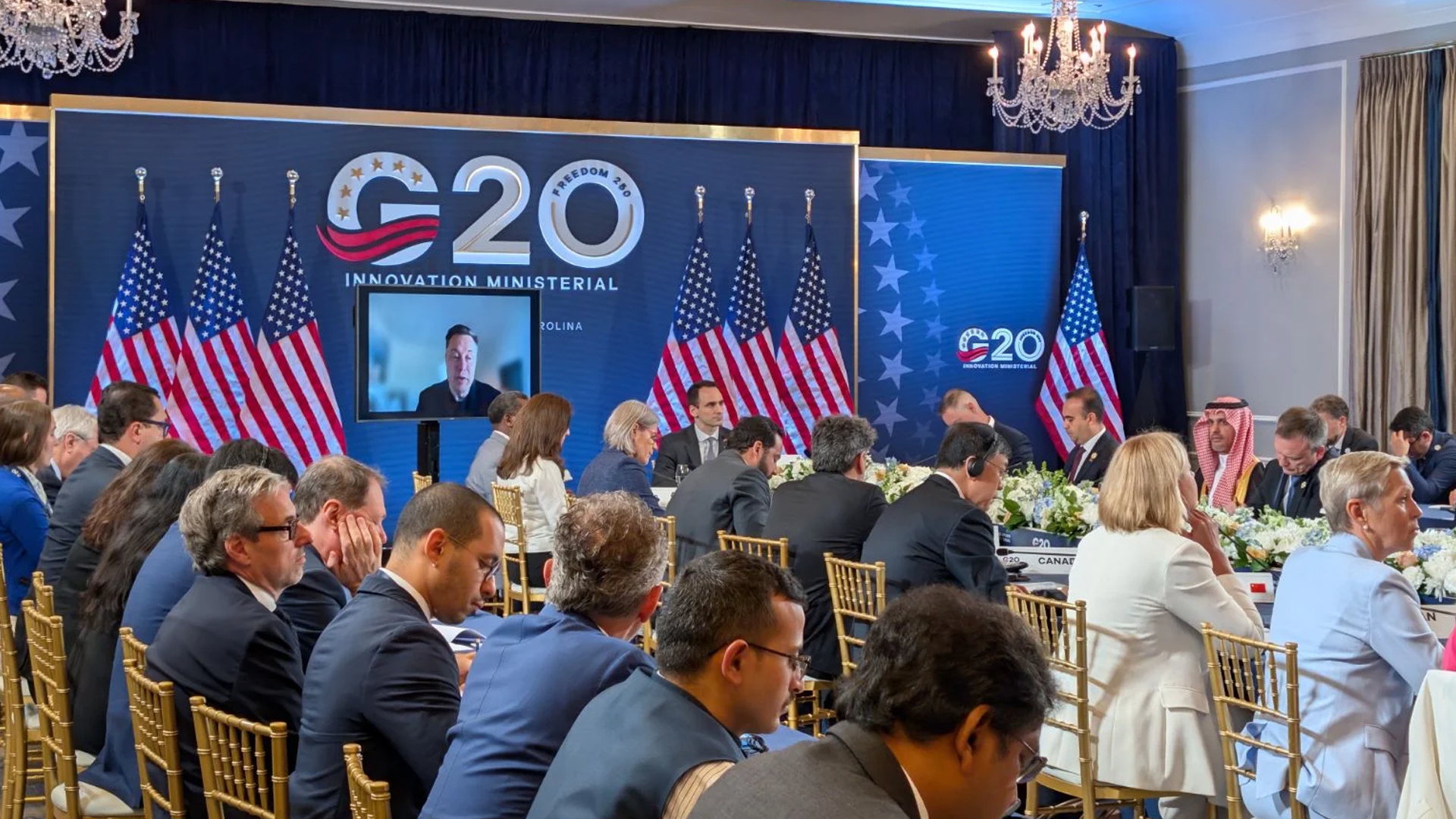
The United States is pushing back against international efforts to establish a centralized regulatory body for artificial intelligence at a recent Global Forum. American officials argue that a rigid, one-size-fits-all framework would slow innovation and harm competitiveness. The stance marks a clear divide between the US approach and the more prescriptive regulation favored by the European Union.
US Resists Global AI Governance Push
At the Global Forum, US representatives rejected proposals that would establish a central oversight body modeled in part on existing transportation or financial regulators. The so-called “DMV for AI” concept, popularized by some policymakers and tech leaders, was dismissed by US officials as premature and potentially harmful. Instead, the US advocated for a flexible, principles-based approach that allows individual nations to tailor rules to their own innovation ecosystems.
Divergent Approaches Across the Atlantic
The US position at the Global Forum contrasts sharply with the European Union’s aggressive push for comprehensive AI legislation. The EU AI Act, set to take effect in stages, imposes strict requirements on high-risk systems and mandates transparency from developers. European regulators have called for a centralized authority to enforce compliance, a model the US views as too bureaucratic. This transatlantic rift threatens to complicate efforts to create interoperable rules for global AI markets.
Why This Matters
The outcome of the Global Forum will directly shape how companies deploy AI across borders. Without a unified regulatory standard, multinational firms face a patchwork of national laws, increasing compliance costs and legal uncertainty. For consumers, the lack of a central watchdog means slower response to AI-related harms such as algorithmic bias or privacy violations. The US opposition also weakens the bargaining power of democratic nations seeking to counter authoritarian regimes’ rapid AI adoption, potentially ceding leadership in setting global norms.
Industry groups largely welcomed Washington’s stance, arguing that overregulation would drive AI investment overseas. Civil society organizations, however, warned that the absence of binding rules leaves accountability gaps. The debate at the Global Forum signals that the fight over AI governance is far from settled and will likely intensify as the technology evolves.