Senior Editor: Alan Agbele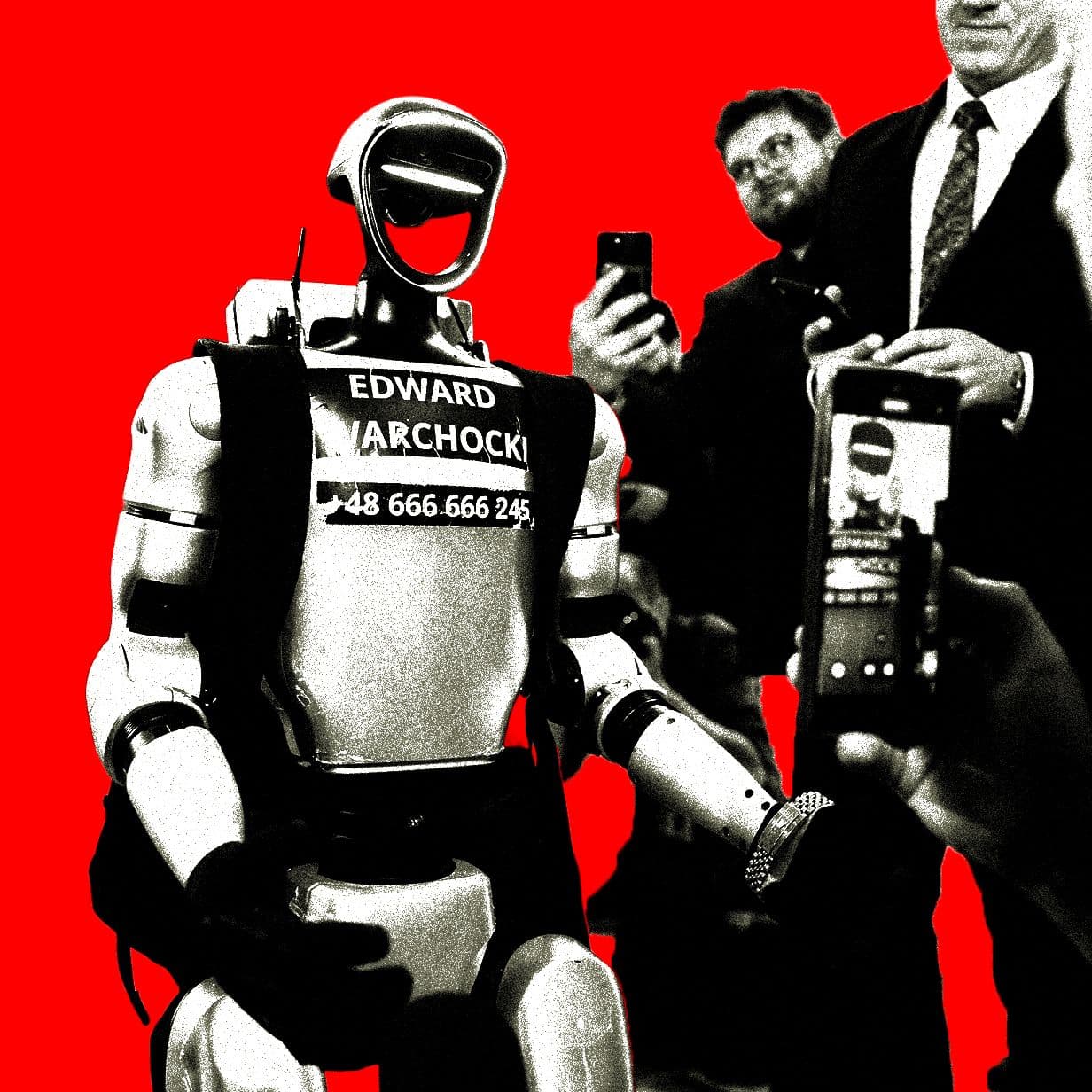
A 4-foot-tall robot from China has captured the internet's attention, dancing and interacting with crowds on social media. But the Unitree G1's viral fame raises a deeper question: Can a robot built for entertainment ever transition to meaningful work?
The Rise of the Robot Influencer
Videos of the Unitree G1 performing dance routines and mimicking human gestures have amassed millions of views. Its compact design and approachable demeanor make it a natural fit for viral content. The robot's popularity reflects a growing fascination with humanoid machines that blur the line between gadget and entertainer.
Practical Limitations
Despite its online appeal, the Unitree G1 lacks the dexterity and endurance needed for most practical jobs. Battery life restricts continuous operation to about two hours. The robot also has limited manipulation ability, making tasks like carrying objects or using tools difficult. These constraints peg it as a demonstration platform rather than a workforce solution.
Why This Matters
The Unitree G1's rise as an influencer highlights a broader trend: humanoid robots are becoming cheaper and more accessible. China is investing heavily in robotics, with companies racing to deploy machines in warehouses, factories and homes. But the gap between viral spectacle and actual utility remains wide. If robots like the G1 cannot cross that bridge, they risk being remembered as novelties rather than revolutionaries. For consumers and businesses, the lesson is to separate hype from capability. The G1 may charm audiences today, but its lasting impact will depend on whether it can evolve into a tool that truly works.
A New Kind of Celebrity
The Unitree G1 represents a new category of influencer: one that is mass-produced and programmable. Its social media success shows that robots can attract audiences without performing complex tasks. Yet this also raises concerns about whether the industry is prioritizing entertainment over practical innovation. As robots become more common in public spaces, their roles will need to be defined clearly — not just by viral views but by real value.