Editor: Porcia Akua Holmes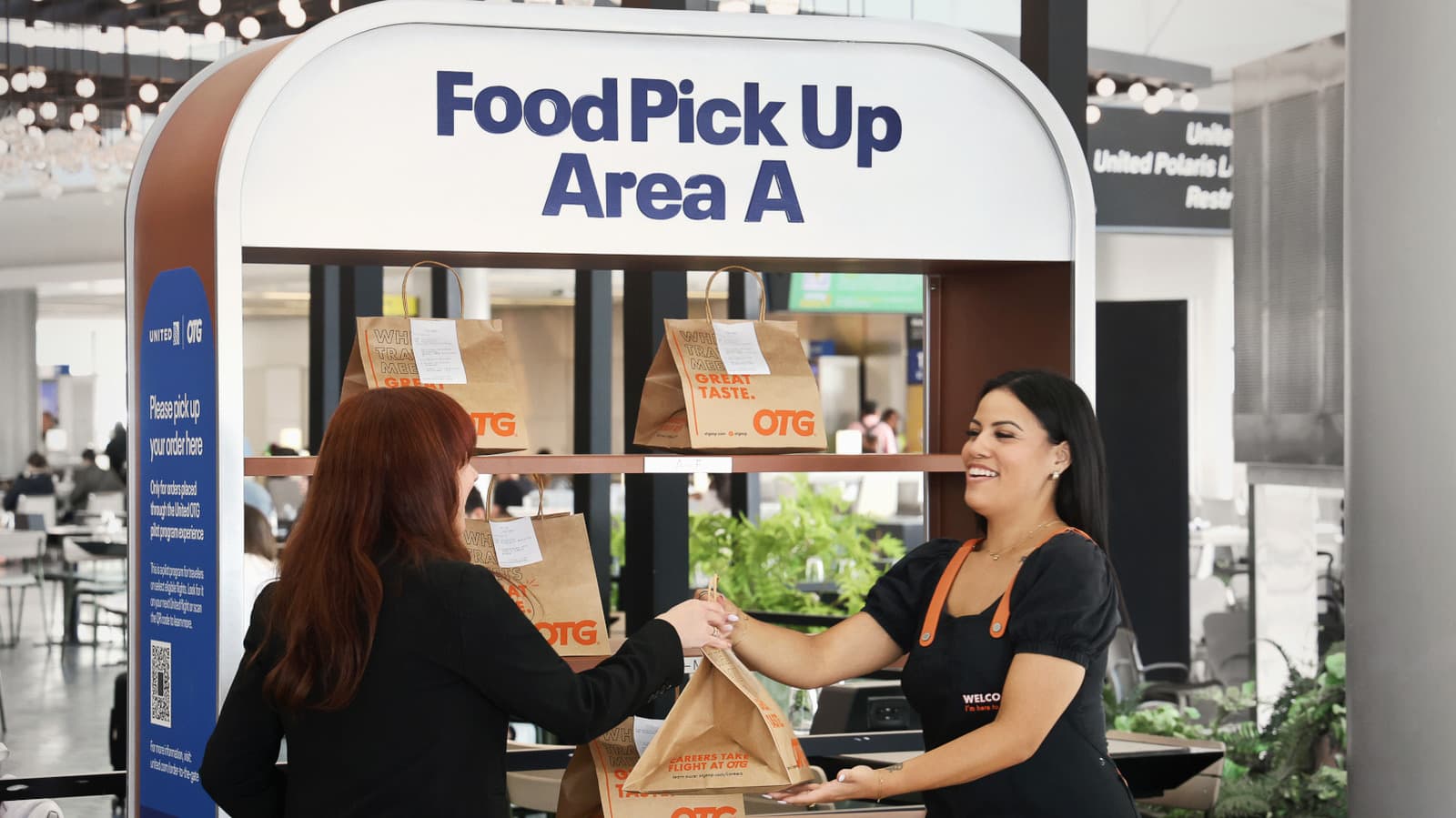
United Airlines is testing a new service that lets passengers order food and other essentials through its mobile app and have them delivered directly to the gate. The pilot program marks a shift in how airlines use their digital platforms to solve one of travelers' most common frustrations: finding something to eat before a flight.
How the Service Works
Passengers at participating airports can browse menus from on-site restaurants and shops through the United Airlines app. After placing an order and selecting their gate, a delivery person brings the items to them. The service is currently being tested at select gates, with plans to expand based on early feedback.
The airline has not disclosed the full list of airport locations or participating vendors. The orders are handled through a third-party logistics partner that coordinates with concessionaires inside security. Payments are processed within the app, and passengers can track their order status in real time.
Key Features of the Pilot
Why This Matters
The trial signals a broader effort by United Airlines to transform its app from a simple booking tool into a full-service travel companion. If the service proves popular, it could reshape the airport dining experience by reducing reliance on crowded concession stands and giving travelers more control over their preflight time.
For passengers, the convenience is clear: no more rushing through terminals or settling for overpriced sandwiches. For the airline, the potential upside includes increased app engagement, more opportunities for targeted offers, and a new source of ancillary revenue. Competitors will be watching closely; similar programs from other carriers could follow quickly if United demonstrates strong results.
The broader trend points toward a more app-centric travel experience where airlines leverage real time data and location services to offer personalized convenience. This pilot is a small but telling step in that direction.