Senior Editor: Alan Agbele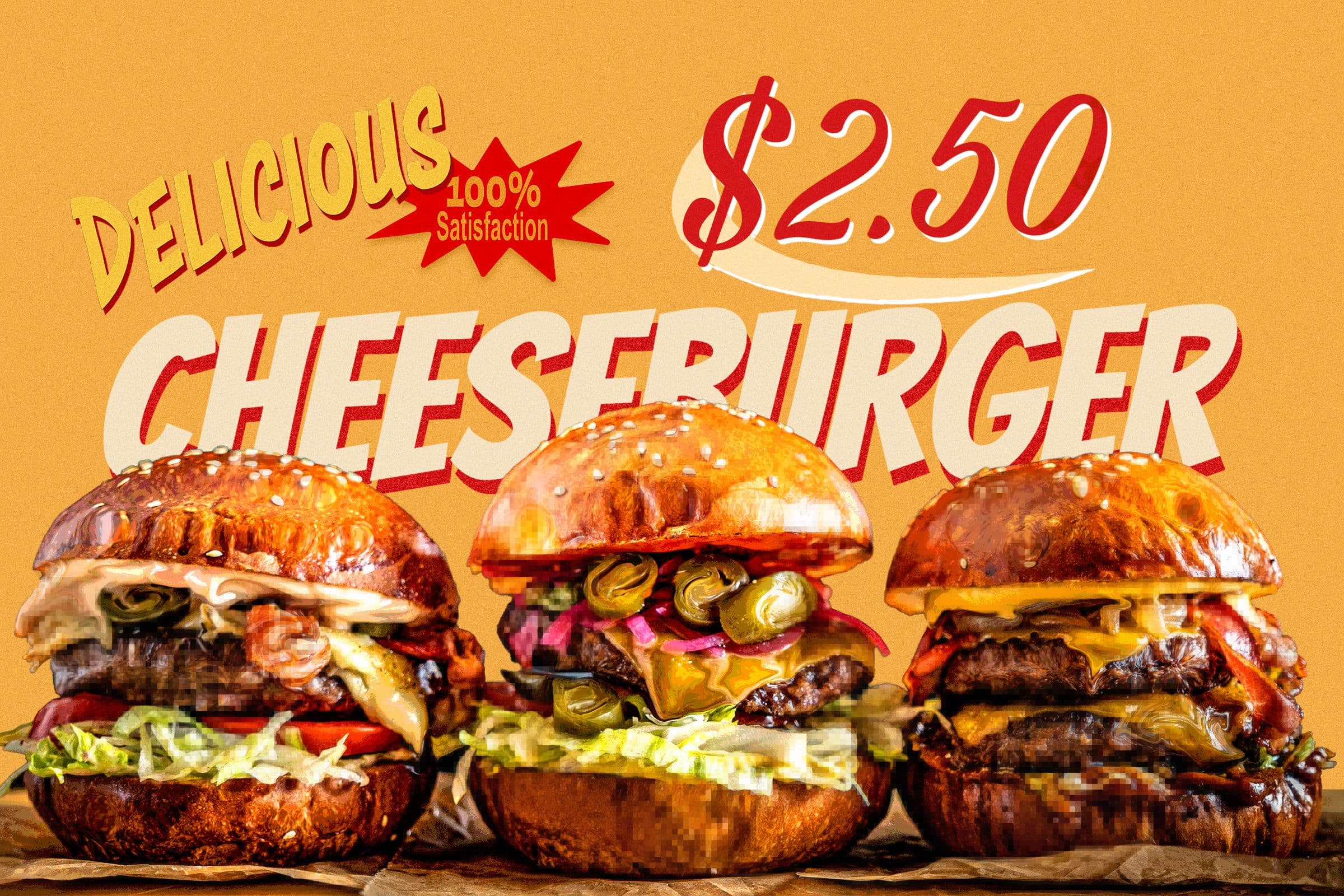
The phenomenon known as "Ugly AI Food Photos Are Only the Beginning" has exposed a deeper shift in how restaurants present their dishes. Viral posts showing distorted, oddly colored plates of food highlight a growing reliance on generative artificial intelligence for menu imagery. But the issue extends far beyond aesthetics, touching on trust, labor and the economics of small-scale dining.
The Rise of AI-Generated Menu Photos
Social media feeds are filling with examples of bizarre AI-generated food: burgers with translucent buns, pizzas with melting toppings that defy physics, and fruits with impossible textures. These images often come from small or independent restaurants using tools like Midjourney or DALL-E to produce menu visuals without hiring a photographer.
The practice saves time and money, especially for businesses that would otherwise rely on stock photos or amateur shots. But the low quality of many outputs has created a backlash: customers share the images for mockery, and some restaurateurs admit the AI versions bear little resemblance to their actual dishes.
Key consequences of this shift include:
The Trust Problem
Dining decisions often hinge on visual cues. A glossy photo of a steak or a vibrant salad can drive ordering choices. When restaurants replace real photography with generative AI, they risk breaking that psychological contract. The viral nature of ugly AI food photos amplifies the problem: once a restaurant is exposed, the embarrassment can damage its reputation permanently.
Some larger chains have experimented with AI-generated menu items for limited-time offers, but they usually invest in custom training to produce realistic images. Smaller restaurants with fewer resources are more likely to produce the uncanny valley results that go viral for the wrong reasons.
Why This Matters
The real stakes extend beyond fleeting online mockery. As AI image generation becomes cheaper and more accessible, the line between a real photograph and a synthetic creation will blur further. Restaurants that rely on AI without proper disclosure or quality control will find themselves at a competitive disadvantage. Consumers, meanwhile, will need to become more skeptical of what they see online. The trend also signals a broader commoditization of creative labor: professional food photography, a niche but viable career, faces pressure from automated alternatives that are fast and cheap but often subpar.
What the Industry Can Do
Restaurant owners who want to use AI for menu images should adopt a few best practices. First, invest in fine-tuning the model on actual food photos from the kitchen to improve realism. Second, explicitly label AI-generated images as such to maintain transparency. Third, pair AI visuals with accurate written descriptions of the dish to set proper expectations. These steps can help preserve customer trust while still capturing the cost benefits of generative tools.
What You Need to Know
The ugly AI food photo trend is a warning signal for the entire hospitality industry. Every restaurant considering AI imagery should weigh the potential for viral ridicule against the upfront savings. For now, the safest path is to use AI as a starting point, not the final product, and to always prioritize accuracy over aesthetic shortcuts.