Editor: Porcia Akua Holmes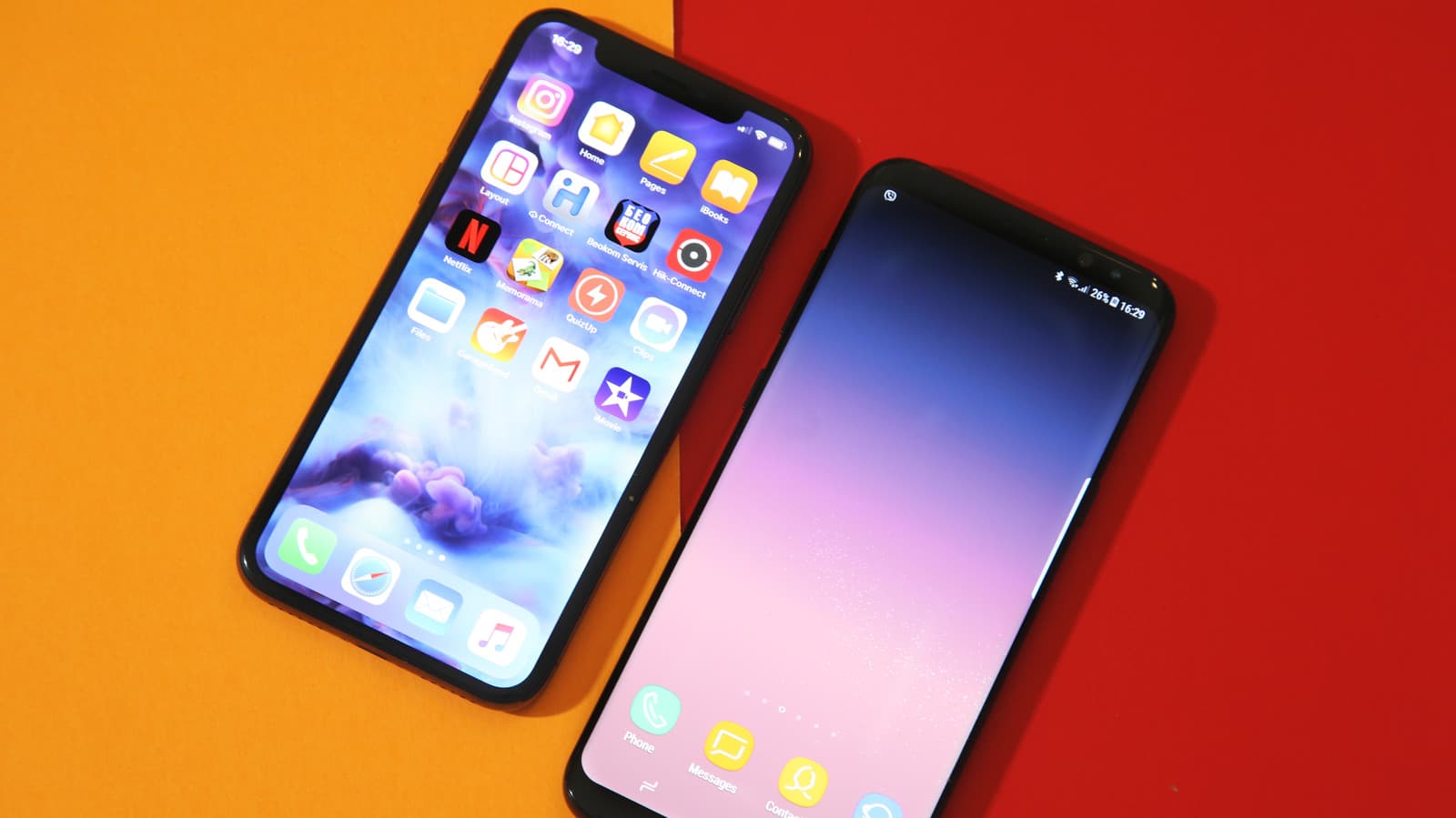
Millions of old smartphones sit idle in drawers, but a simple software adjustment can convert them into functional home security cameras. This repurposing trend is gaining traction as consumers seek cost-effective ways to monitor their homes without spending on dedicated hardware.
Ecosystem of Apps and Features
The app landscape for phone-to-camera conversion has matured considerably. Many options now include motion detection, night vision, two-way audio and cloud storage. Users can designate an old phone as a dedicated camera while using their current device as a viewer. The setup process typically involves installing the app on both phones, creating an account and positioning the old device in the desired location.
Why This Matters
The environmental and economic implications are significant. The United Nations estimates that over 50 million tons of electronic waste are generated annually, with smartphones accounting for a growing share. Repurposing devices delays their entry into landfills and reduces demand for new manufacturing. For consumers, the savings are direct. A dedicated security camera setup can cost several hundred dollars, whereas repurposing an existing device requires no upfront investment beyond the free app. This democratizes home security, making it accessible to renters and budget-conscious households. However, users should be aware of limitations such as the need for continuous power and the privacy risks associated with cloud storage. Ensuring strong passwords and reviewing app permissions can mitigate most concerns.
Practical Limitations and Considerations
Using an old smartphone as a security camera is not a perfect replacement for professional systems. Battery life becomes a challenge unless the device remains plugged in 24/7. Accelerated battery degradation is a common side effect. Some apps also display persistent ads or require subscriptions for advanced features like continuous recording or higher resolution. Network reliability matters. A weak Wi-Fi signal can cause dropped feeds or delayed alerts. For best results, position the phone close to the router and disable power-saving features that might interrupt the app. Despite these trade-offs, the approach remains compelling for those seeking a low-cost entry point into home monitoring.
What You Need to Know
The key takeaway is that with minimal effort, an old smartphone can function as a capable security camera. The process is free and leverages existing hardware. This solution suits short-term monitoring needs or as a supplement to a primary security system. It also aligns with sustainable technology practices by extending product lifecycles.