 Editor: Porcia Akua Holmes
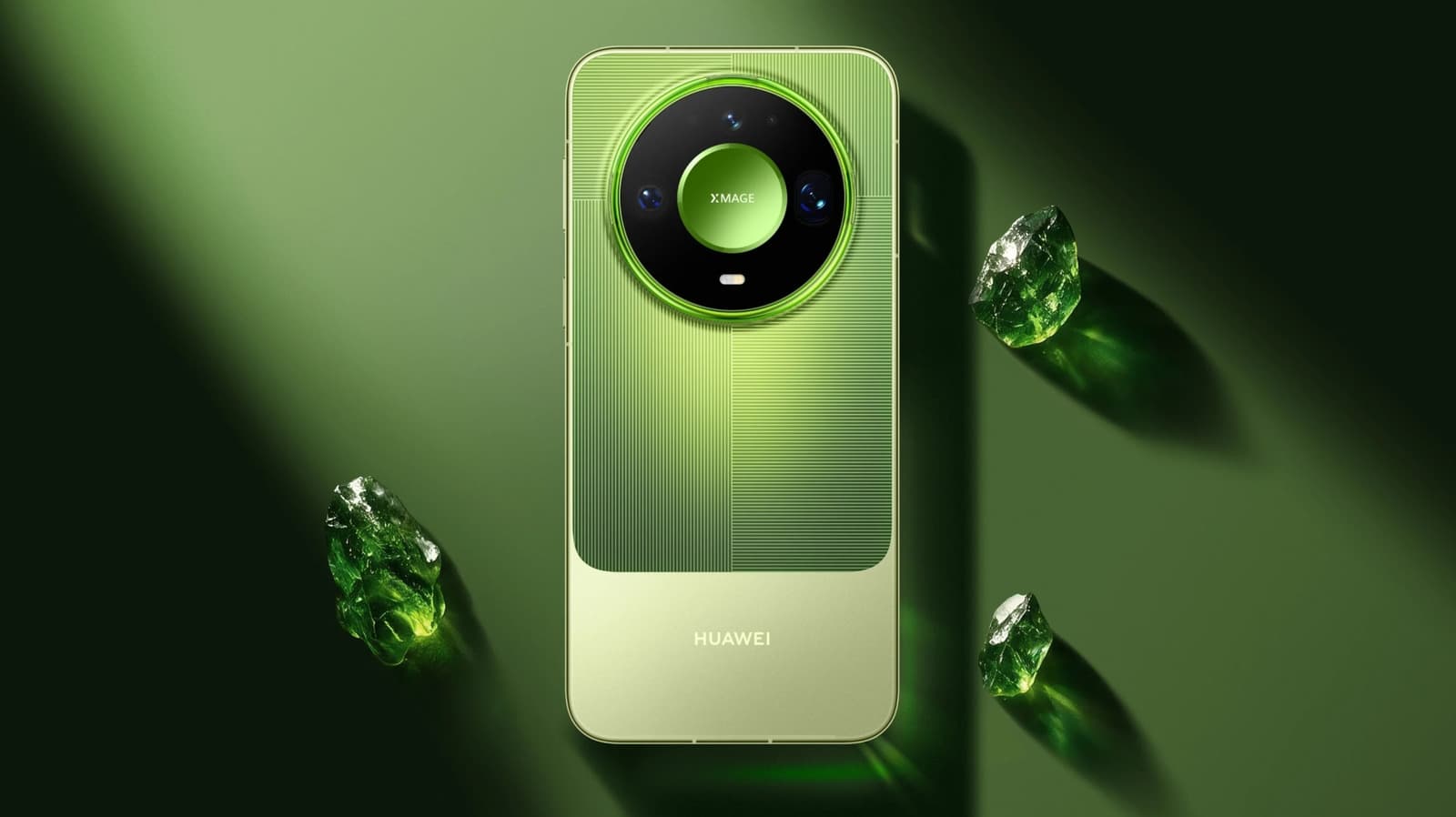
A smartphone manufacturer has launched an Android device capable of running three SIM cards simultaneously, a configuration that until now has been virtually unheard of in the consumer market. The phone arrives as dual-SIM support, standard on most handsets for over a decade, faces its first genuine challenger.
Why Triple SIM Matters in a Dual-SIM World
The jump from two SIMs to three is not just a numbers game. It reflects a growing demand for flexibility in how people manage their mobile identities. A third line can serve as a dedicated number for work, a local data plan while traveling abroad, or a backup carrier in areas with spotty coverage.
For years, manufacturers have pushed eSIM technology as the answer to multi-line needs. eSIMs allow users to add secondary plans without a physical card, but they still typically cap active lines at two. A triple-SIM phone sidesteps that limitation entirely, offering three physical slots that work at the same time.
The Engineering Trade-Offs Behind Three Active Lines
Running three SIMs simultaneously is not as simple as adding a third slot. Each active line requires its own power draw, antenna tuning and network negotiation. That puts pressure on battery life and thermal management, two areas where smartphone makers already fight for every milliwatt.
Radio frequency interference is another hurdle. Three modems operating in close proximity can degrade signal quality unless the manufacturer invests in advanced shielding and software coordination. These engineering costs help explain why triple-SIM phones have remained a rarity rather than a standard feature.
Why Most Brands Avoid the Triple-SIM Design
Most major smartphone brands have opted to refine dual-SIM performance instead of expanding to three. The reason is partly economic. Adding a third SIM slot increases component costs and complicates the internal layout, which matters in a market where thin designs and large batteries are key selling points.
Consumer demand for a third line is also concentrated in specific markets. In parts of Asia, Africa and Latin America, multi-SIM usage is far more common than in North America or Europe. A triple-SIM phone makes commercial sense in those regions, but it is a harder sell elsewhere.
Why This Matters
The arrival of a triple-SIM Android phone signals that the dual-SIM standard is no longer the ceiling. If the device finds traction in multi-SIM markets, it could pressure other manufacturers to follow suit, especially in regions where carrier competition is fierce and coverage is uneven.
For consumers, the immediate impact is limited. The phone is expected to be difficult to buy, with availability likely restricted to select markets or online channels. That scarcity keeps it a niche product for now, but it sets a precedent. The real question is whether triple-SIM becomes a genuine category or remains a one-off experiment that most buyers never encounter.
Industry watchers will be paying attention to how the device performs in real-world conditions. If battery life and signal stability hold up, the case for a third SIM grows stronger. If not, dual-SIM may retain its long-held position as the practical limit for mainstream smartphones.


