Senior Editor: Alan Agbele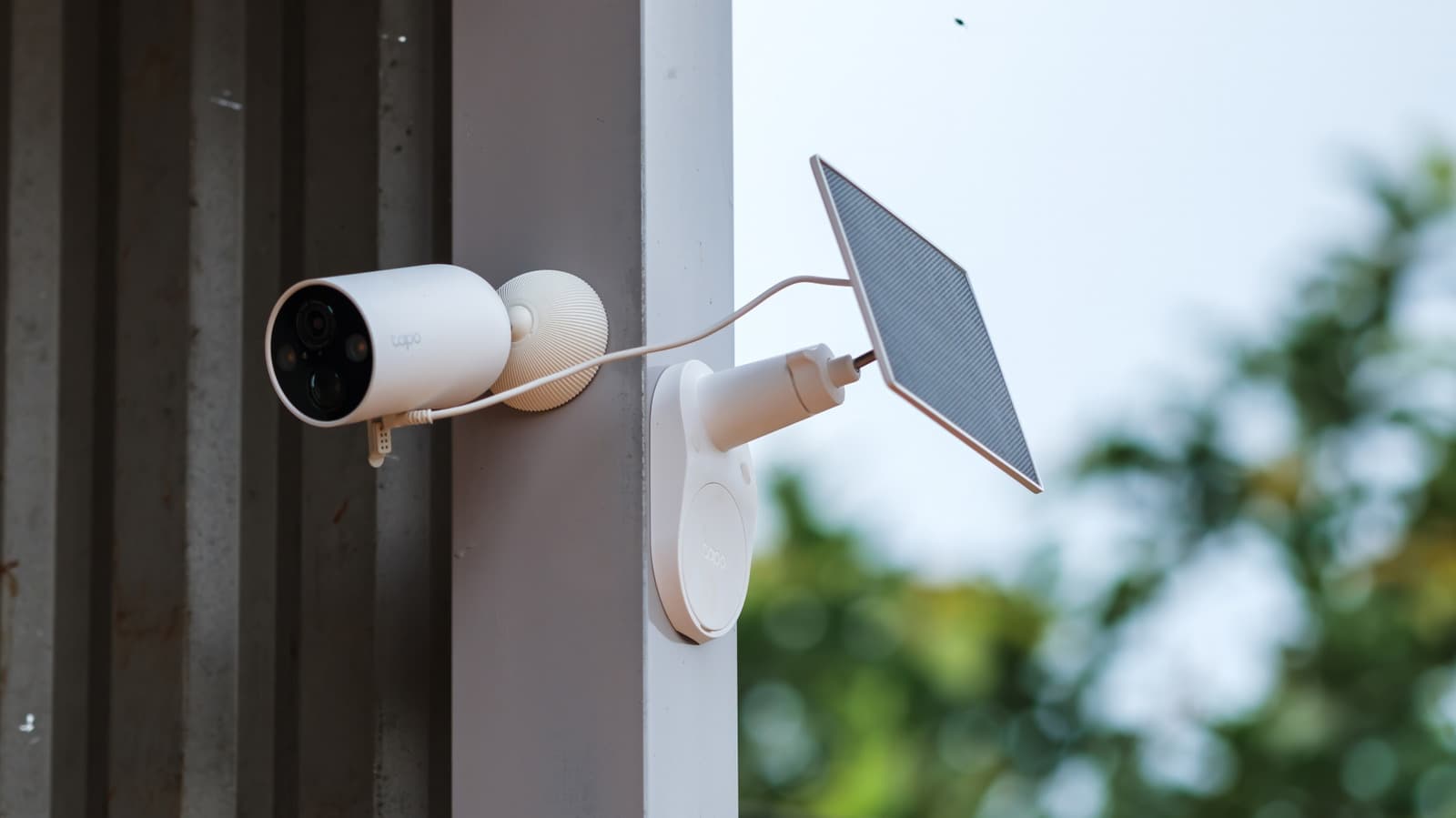
TP-Link cameras now work directly with Google Home, allowing users to view feeds and control settings through voice commands and automated routines. The compatibility extends across the company's popular Tapo and Kasa camera lines, marking a significant step toward a more unified smart home experience.
How TP-Link Cameras Connect to Google Home
Setting up TP-Link cameras with Google Home involves linking the TP-Link account within the Google Home app. Once linked, cameras appear as compatible devices. Users can then use voice commands like 'Show the front door camera' on a Nest Hub or Google TV. The system also supports notifications and recording when integrated with Nest Aware subscription services.
Driving Smart Home Standardization
The integration reflects a broader industry push toward interoperability. With most major smart home players adopting the Matter standard, compatibility is becoming more reliable. TP-Link cameras that support Matter can connect directly to any Matter-compatible hub, including Google Home. This reduces the need for multiple apps and allows devices from different brands to work together seamlessly.
Standardization benefits consumers by simplifying setup and expanding choices. Users are no longer locked into one ecosystem. A TP-Link camera purchased today can later work with an Apple HomeKit or Amazon Alexa system if updated firmware is provided. This flexibility encourages wider adoption of smart security products.
Why This Matters
The expansion of Google Home compatibility with TP-Link cameras has real-world implications for home security and convenience. Homeowners can now create automated responses that combine camera feeds with other devices. For example, a motion detection event can trigger smart lights to turn on and send an alert to the homeowner's phone, all without manual intervention.
From a market perspective, the move strengthens Google's position in the smart home space against competitors like Amazon Alexa and Apple HomeKit. TP-Link benefits from a larger potential customer base, as its cameras work with the dominant smart assistant platform. For consumers, the choice of security camera is no longer constrained by the smart assistant they use, reducing friction in building a cohesive smart home.